
Luang Prabang isn’t just another Southeast Asian destination—it’s where time slows down, spirituality permeates daily life, and ancient traditions thrive amidst stunning natural beauty. While neighboring cities race toward modernization, this UNESCO World Heritage Site preserves its soul: monks collecting alms at dawn, golden temples catching afternoon light, and the Mekong River flowing peacefully past colonial-era cafes.
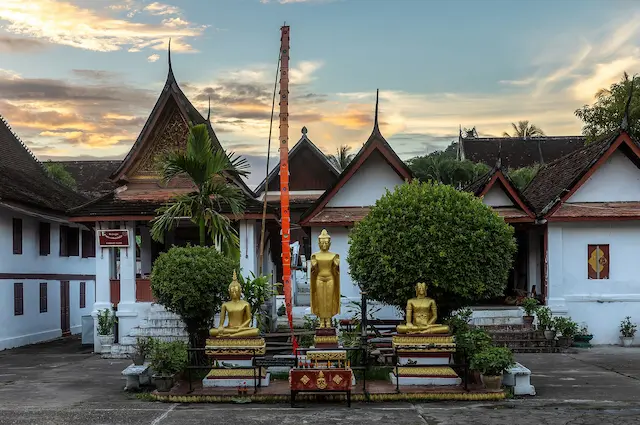
Photo by Basile Morin | Wikimedia Commons (CC BY 4.0)
This complete Luang Prabang travel guide covers everything from the mystical alms-giving ceremony to the turquoise pools of Kuang Si Falls, from temple architecture to street food favorites, from budget guesthouses to luxury riverside resorts. Whether you’re planning 3 days or a week, traveling solo or with family, on a backpacker budget or seeking boutique luxury, this guide provides the practical information you need.
By the end of this Luang Prabang travel guide, you’ll know exactly where to stay, what to see, when to visit, how much to budget, and most importantly—how to experience this magical city like a traveler, not a tourist.
Table of Contents
Table of Contents
Why Visit Luang Prabang? Southeast Asia’s Cultural Heart
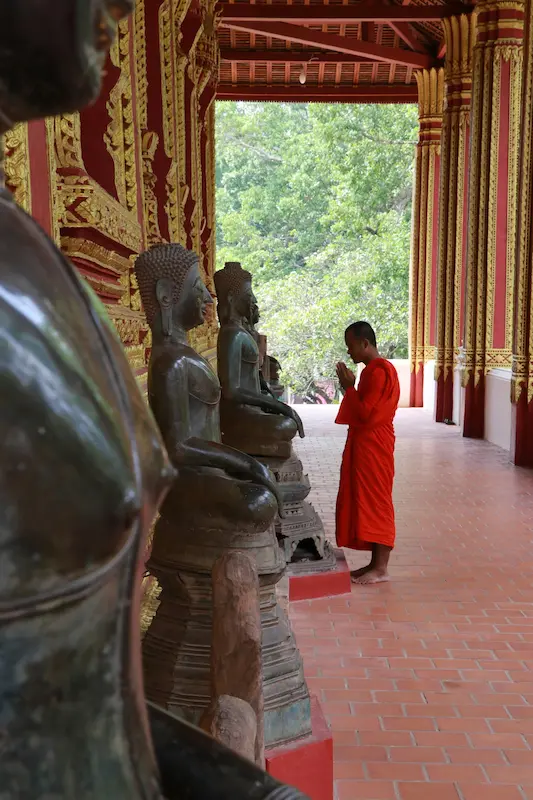
This Luang Prabang travel guide begins by answering: why does this small city captivate travelers worldwide?
UNESCO World Heritage Status
Designated in 1995, Luang Prabang earned UNESCO recognition for its unique fusion of Lao traditional architecture with French colonial influences. The entire old town functions as a living museum where:
- 33+ Buddhist temples maintain active monastic communities
- French colonial buildings house boutique hotels and cafes
- Traditional Lao wooden houses line narrow streets
- Modern development stays restricted to preserve heritage
- Architectural harmony creates cohesive aesthetic throughout
Walking through Luang Prabang feels like stepping into the past—but one where ancient traditions continue genuinely, not as tourist performance.
Living Buddhist Culture
Daily Alms-Giving Ceremony (Tak Bat):
Every morning at dawn, hundreds of Buddhist monks walk silently through streets collecting alms from devout Lao Buddhists. This sacred ritual, unchanged for centuries, represents the spiritual heartbeat of Luang Prabang.
Why It Matters:
- Witness authentic religious practice
- Experience profound spiritual atmosphere
- Understand Buddhist culture deeply
- Respectful observation welcomed (participation possible if genuine)
This Luang Prabang travel guide emphasizes: the alms ceremony isn’t a tourist show—it’s genuine religious devotion that happens to be observable.
Spectacular Natural Setting
Geography: Luang Prabang sits at the confluence of the Mekong River and Nam Khan River, surrounded by lush mountains. This dramatic setting creates:
Natural Attractions:
- Kuang Si Falls: multi-tiered turquoise waterfalls (top attraction)
- Tad Sae Waterfall: bamboo raft access, rope swings
- Mount Phousi: 328 steps to panoramic sunset views
- Mekong River: scenic cruises and riverside walks
- Jungle-covered mountains: trekking and village visits
Visual Appeal: Misty mornings reveal temple spires emerging from river fog, while golden hour transforms temples into glowing jewels against green mountains. :
👉 Also Read: Traveling in Laos: Complete Guide (Budget, Safety & Tips)
Manageable Size, Immense Charm
Compact Old Town:
- Walkable in 20-30 minutes
- No traffic chaos or urban stress
- Every corner photogenic
- Easily navigable without maps
- Intimate, human scale
Unlike overwhelming Bangkok or sprawling Hanoi, Luang Prabang’s small size creates relaxing exploration where you can wander aimlessly and discover hidden temples, quiet cafes, and local interactions.
French Colonial Legacy
Architectural Heritage:
- Colonial-era villas converted to hotels
- French bakeries serving fresh croissants
- Tree-lined boulevards
- European-style cafes
- Fusion of Eastern spirituality and Western aesthetics
This unique blend makes Luang Prabang feel distinct from typical Southeast Asian cities—it’s simultaneously deeply Lao and charmingly cosmopolitan.
Authentic Yet Accessible
The Balance: Luang Prabang maintains authenticity while providing tourist infrastructure:
- Traditional village life continues naturally
- English widely spoken in tourist areas
- Accommodation ranges budget to luxury
- Western food available but local cuisine celebrated
- Modernization controlled to preserve character
This Luang Prabang travel guide emphasizes this rare balance: you experience genuine Lao culture without sacrificing comfort or convenience.
Best Time to Visit Luang Prabang
Timing dramatically impacts your Luang Prabang experience:
Cool & Dry Season (November-February): Peak Time ⭐⭐⭐⭐⭐
Why It’s Best:
Weather Perfection:
- Daytime temperatures: 70-80°F (21-27°C)
- Cool evenings: 60-70°F (15-21°C)
- Zero to minimal rainfall
- Clear blue skies perfect for photography
- Comfortable temple exploring and hiking
- Pleasant for early morning alms ceremony
Advantages:
- All attractions accessible
- Kuang Si Falls still flowing beautifully
- Excellent visibility for mountain views
- Perfect conditions for outdoor activities
- Mekong River boat trips comfortable
Drawbacks:
- Highest prices (accommodation 30-50% more)
- Most tourists, especially December-January
- Popular hotels book out 4-6 weeks ahead
- Some temples crowded midday
December-January Specifics:
- Peak Western tourist season (Christmas/New Year holidays)
- Book accommodations 6-8 weeks ahead
- Prices at annual maximum
- Festive atmosphere in town
- Cool mornings may require light jacket
November & February:
- Slightly fewer tourists than Dec-Jan
- Prices marginally lower
- Weather equally excellent
- Better value within peak season
Who Should Visit:
- First-time visitors wanting guaranteed good weather
- Photographers seeking clear skies
- Anyone with inflexible schedules
- Travelers prioritizing comfort over budget
Hot Season (March-May): Shoulder Period ⭐⭐⭐
Temperature Reality:
March:
- Pleasant early month (75-85°F)
- Heating up by end (80-90°F)
- Still comfortable for most activities
- Hazy from agricultural burning
April:
- Very hot (85-95°F, sometimes 100°F)
- Humidity increasing
- Afternoon temple touring exhausting
- Lao New Year (Pi Mai) mid-April brings crowds
May:
- Oppressively hot (85-100°F)
- Pre-monsoon humidity high
- Heat shimmer affects photography
- Building toward rainy season
Advantages:
- 25-40% cheaper accommodation
- Significantly fewer tourists
- Easier booking (last-minute okay)
- Kuang Si Falls refreshing escape from heat
- Local festivals (Pi Mai in April)
Challenges:
- Outdoor activities uncomfortable 11am-4pm
- Reduced visibility from smoke haze (March-April)
- River levels lower
- Energy-sapping heat requires frequent breaks
Strategy for Success:
- Start days early (6am temple visits)
- Midday siesta 12pm-4pm
- Resume activities late afternoon
- Prioritize water activities (Kuang Si, boat trips)
- Stay hydrated constantly
Who Should Visit:
- Budget travelers accepting heat for savings
- Experienced Southeast Asia travelers
- Those wanting fewer crowds
- Flexible schedules allowing heat avoidance
Wet Season (June-October): Underrated Period ⭐⭐⭐⭐
Rainfall Patterns:
Typical Day:
- Morning: Clear and sunny
- Afternoon: Storm arrives 2-4pm
- Duration: 1-3 hours heavy rain
- Evening: Clears again
- Night: Occasional continued rain
Monthly Breakdown:
- June-August: Moderate rainfall, manageable
- September-October: Peak rainfall, heavier storms
- Rain predictable (plan around it)
Why It’s Underrated:
Visual Beauty:
- Lush, vibrant green everywhere
- Waterfalls at maximum power (Kuang Si spectacular)
- Dramatic cloud formations
- Misty mountain mornings
- Rice paddies brilliant green
- Post-rain freshness and clear air
Practical Benefits:
- Lowest prices (40-60% discounts)
- Empty temples and attractions
- Last-minute booking easy
- Authentic local life (minimal tourist influence)
- Cool temperatures after rain
- Better cultural interactions
Challenges:
- Daily afternoon disruption
- Some outdoor activities limited
- Humidity high (80-90%)
- Occasional full-day rain
- Roads to remote areas sometimes impassable
- Need quality rain gear
Smart Wet Season Strategy:
- Plan temples and sightseeing 7am-1pm
- Accept 2-4pm as cafe/rest time
- Enjoy dramatic afternoon storms
- Book last-minute for best deals
- Focus on covered markets, museums, cooking classes during rain
- Evening activities resume after storms
Who Should Visit:
- Photographers wanting dramatic landscapes
- Budget-conscious travelers
- Long-term travelers (weeks in region)
- Those comfortable with weather flexibility
- Visitors seeking authentic experiences
👉 Also Read: Best Cambodia Street Food: 20 Dishes You Must Try
Month-by-Month Quick Reference
Best Overall: November, December, January, February Best Value: June, July, September (wet season) Most Comfortable: November, February (peak without extreme crowds) Most Dramatic (Nature): September, October (waterfalls incredible) Most Challenging: April, May (extreme heat) Crowds Peak: December, January, April (Pi Mai)
For comprehensive seasonal analysis of all Laos, see our detailed Best Time to Visit Laos guide.
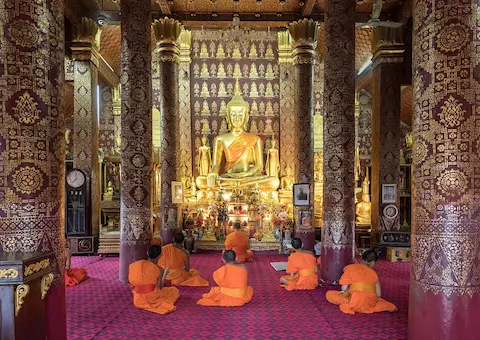
Photo by Basile Morin | Wikimedia Commons (CC BY 4.0)
Essential Luang Prabang Attractions
This Luang Prabang travel guide covers must-see sites:
Alms-Giving Ceremony (Tak Bat): Sacred Ritual
The Experience:
Every dawn (approximately 5:30-6:30am depending on season), hundreds of Buddhist monks walk single-file through Luang Prabang streets collecting sticky rice and food offerings from kneeling devotees. The silent procession, unchanged for centuries, creates a profoundly moving spiritual atmosphere.
How It Works:
The Monks:
- Walk barefoot in saffron robes
- Carry round alms bowls
- Maintain downcast eyes
- Silent throughout ceremony
- Accept offerings without acknowledgment
- Distribution later to monastery residents
The Devotees:
- Kneel on mats along route
- Offer sticky rice, fruit, packaged food
- Act of making merit (Buddhist concept)
- Perform daily, not for tourists
- Genuinely religious participation
Observation Etiquette (CRITICAL):
Do:
- Observe quietly from side (don’t block path)
- Dress modestly (shoulders and knees covered)
- Maintain respectful distance (2+ meters)
- Remove shoes if sitting on mat
- Stay silent or whisper quietly
- Photograph discreetly (no flash)
- Stand/sit lower than monks
Don’t:
- Touch monks or their robes (women especially NEVER touch)
- Stand in their path
- Wear revealing clothing
- Be loud or disruptive
- Use flash photography
- Participate unless genuinely interested (not tourist activity)
- Buy rice from pushy vendors (supports exploitation)
Where to Observe:
Best Streets:
- Sakkaline Road (main route, many monks)
- Sisavangvong Road (central location)
- Khem Khong Road (fewer tourists)
Timing:
- Arrive 5:45am (before monks)
- Ceremony runs 6:00-6:45am approximately
- Earlier in hot season, slightly later in cool season
Participating Respectfully:
If you genuinely wish to participate (not as tourist activity):
- Buy sticky rice from proper market (not street vendors exploiting ceremony)
- Wear modest, respectful clothing
- Kneel on mat (available at markets)
- Offer small amounts to each monk
- Bow head respectfully
- Maintain silence
- Leave immediately after (don’t follow monks)
This Luang Prabang travel guide emphasizes: this is sacred religious practice. Respect or observe from distance. Tourist exploitation of the ceremony has increased—be part of the solution, not the problem.
👉 Also Read: Vietnam vs Cambodia: Which Should You Visit First?
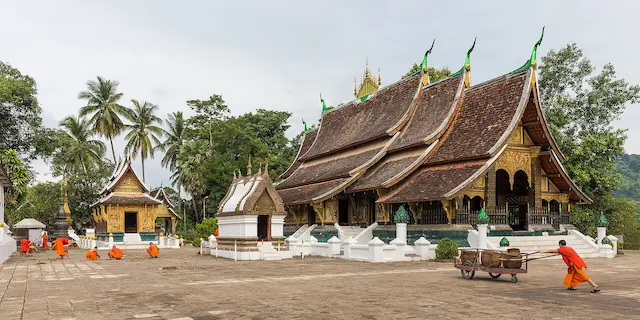
Wat Xieng Thong | Photo by Basile Morin | Wikimedia Commons (CC BY 4.0)
Wat Xieng Thong: Luang Prabang’s Most Beautiful Temple
History: Built in 1560 by King Setthathirath, Wat Xieng Thong (“Temple of the Golden City”) represents the pinnacle of Lao religious architecture. It survived multiple invasions and remained the royal family’s primary monastery.
Architectural Highlights:
Main Sim (Ordination Hall):
- Sweeping roofs reaching nearly to ground (classic Lao style)
- Intricate gold stenciling on exterior walls
- Stunning interior ceiling decorated with dharma wheel
- Ancient Buddha images
- Peaceful, shaded courtyard
Tree of Life Mosaic:
- Rear wall features spectacular colored-glass mosaic
- Depicts tree of life in Lao-Buddhist cosmology
- Created 1960s but maintains traditional style
- Photographs beautifully
- Most photographed feature
Red Chapel:
- Houses royal funeral chariot
- Gilded wooden sculptures
- Used in King Sisavang Vong’s 1959 funeral
- Ornate multi-tiered structure
Drumming Tower:
- Traditional wooden structure
- Morning/evening drum ceremonies
- Atmospheric photography spot
Why Visit: Wat Xieng Thong exemplifies why Luang Prabang earned UNESCO status. The craftsmanship, preservation, and spiritual atmosphere create awe regardless of religious background.
Practical Info:
- Location: Northern tip of peninsula, 10-minute walk from center
- Hours: 6am-6pm daily
- Entrance: 20,000 kip ($1-2)
- Dress code: Shoulders and knees covered
- Time needed: 30-45 minutes
- Best time: Early morning (6-8am) or late afternoon (4-6pm) for soft light and fewer visitors
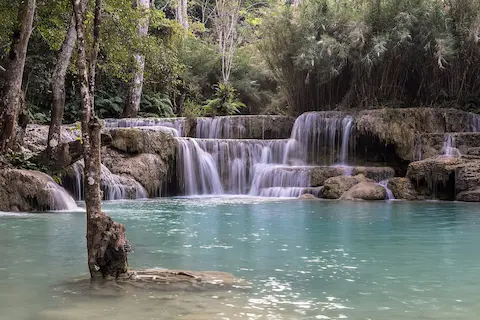
Kuang Si Falls | Photo by Basile Morin | Wikimedia Commons (CC BY 4.0)
Kuang Si Falls: Natural Wonder
The Attraction:
Located 29km south of Luang Prabang, Kuang Si Falls ranks among Southeast Asia’s most beautiful waterfalls. Crystal-clear turquoise water cascades over multiple limestone tiers creating dozens of swimming pools at varying levels.
What Makes It Special:
The Setting:
- 60-meter main waterfall
- Series of smaller cascading pools below
- Incredibly photogenic turquoise water (limestone creates color)
- Lush jungle surroundings
- Well-maintained paths and facilities
Swimming:
- Multiple pools allow swimming
- Varying depths suit different confidence levels
- Refreshingly cool water (bring towel)
- Rope swings at some pools
- Changing facilities available
The Trail:
- Steep path to top of main waterfall (10-15 minutes)
- Requires decent fitness
- Rewards with spectacular views
- Less crowded pools at top
- Slippery when wet (careful in wet season)
Free the Bears Rescue Center:
- Located at entrance
- Houses rescued Asiatic black bears
- Educational displays
- Free to visit (included in waterfall ticket)
- Support important conservation work
Getting There:
Options:
- Organized tour: $8-15 including transport, easiest option
- Rent motorbike: $8-12/day, freedom to explore
- Tuk-tuk charter: $20-30 round-trip, split with others
- Shared tuk-tuk: $5-8 per person, arranged at guesthouses
- Bicycle: Possible but challenging (29km, hills, heat)
Distance: 29km (45-60 minutes each way)
Visiting Strategy:
Timing:
- Arrive early (8-9am): Beat crowds, better light, cooler temperatures
- Midday okay: Expect crowds but fun swimming atmosphere
- Avoid 11am-2pm peak: Tour groups descend en masse
What to Bring:
- Swimwear and towel
- Waterproof phone case/bag
- Sun protection (limited shade)
- Water and snacks
- Proper footwear (trails can be slippery)
- Small bills for entrance
Practical Info:
- Entrance: 25,000 kip ($1.50-2.50)
- Hours: 8am-5:30pm daily
- Facilities: Bathrooms, changing rooms, small restaurants
- Time needed: 2-4 hours (including travel)
Photography Tips:
- Morning light best (9-10am)
- Overcast days reduce harsh reflections
- Bring waterproof camera/phone case
- Capture both wide landscapes and detail shots
- Top viewpoint offers spectacular overview
Wet Season Note: Water level higher and more powerful (September-November especially impressive). Pools sometimes murky after heavy rain but usually clear quickly.
👉 Also Read: Ultimate South East Asia Travel: Where to Go — Month-by-Month Guide
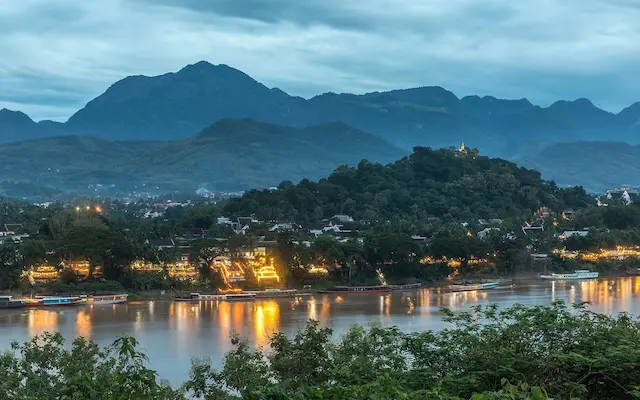
Mount Phousi | Photo by Basile Morin | Wikimedia Commons (CC BY 4.0)
Mount Phousi: Sunset Panorama
The Climb:
Mount Phousi rises 100 meters above Luang Prabang’s old town, offering 360-degree views of the city, rivers, and surrounding mountains.
The Experience:
Ascent:
- 328 steps from main entrance
- Multiple routes (3 staircases from different sides)
- 15-20 minute climb at moderate pace
- Steep but manageable
- Covered by trees (some shade)
Summit:
- Wat Chom Si temple with golden stupa
- Panoramic viewing platforms
- Benches for resting
- Small Buddha shrine
- Prayer bells visitors can ring
The View:
- Mekong and Nam Khan rivers
- Old town’s temple roofs
- Surrounding mountains
- French colonial architecture
- Countryside beyond
Timing:
Sunset (Most Popular):
- Crowds gather 5:30-6:30pm
- Arrive 30-45 minutes early for good spot
- Can be very crowded December-January
- Golden hour light spectacular
- Stay after sunset for blue hour
Sunrise (Underrated):
- Practically empty
- Misty mountain views
- Peaceful atmosphere
- Witness city awakening
- Combined with alms ceremony (descend around 6am)
Midday:
- Empty but hot
- Hazy views
- Good exercise
- Not recommended for views
Practical Info:
- Entrance: 20,000 kip ($1-2)
- Hours: 5:30am-7pm daily
- Multiple access points (main entrance near Royal Palace)
- Time needed: 1 hour including climb and viewing
- Bring water (no vendors at top)
Alternative: Wat Chom Phet on opposite hill offers similar views with zero crowds (no entrance fee).
Royal Palace Museum | Photo by Allie Caulfield | Wikimedia Commons (CC BY 2.0)
Royal Palace Museum (Haw Kham)
History: Built 1904 during French colonial period for King Sisavang Vong and his family. The last king, Sisavang Vatthana, resided here until the 1975 communist revolution. Now preserved as national museum.
What You’ll See:
Throne Room:
- Ornate golden decorations
- French chandeliers
- Lao and French fusion style
- Royal regalia displayed
- Impressive gilded walls
Royal Apartments:
- King and queen’s living quarters
- Personal belongings preserved
- 1970s time capsule
- Modest by royal standards
Collection Highlights:
- Phra Bang Buddha (gave Luang Prabang its name)
- Gifts from foreign dignitaries
- Royal vehicles in garage
- Religious artifacts
- Historical photographs
Visiting Rules (STRICT):
- No photography inside (enforced)
- Remove shoes at entrance
- No shorts or sleeveless shirts
- No bags inside (free storage)
- Respectful behavior required
- Audio guide available (20,000 kip)
Practical Info:
- Location: Sisavangvong Road, city center
- Hours: 8am-11:30am, 1:30pm-4pm (closed Tuesday)
- Entrance: 30,000 kip ($2-3)
- Time needed: 45-60 minutes
- Best time: Opening (avoid crowds)
Worth It? Yes for history enthusiasts and those interested in royal Lao culture. The Phra Bang Buddha alone makes it significant. However, strict rules and modest collection mean it’s not essential for everyone.
👉 Also Read: Hoi An Ancient Town Walking Guide: Hidden Corners and Photo Spots
Traditional Arts & Ethnology Centre (TAEC)
What It Is: Small but excellent museum showcasing Lao ethnic diversity, traditional crafts, and cultural practices. Run as non-profit with
focus on preservation and education.
Exhibits:
Ethnic Groups:
- Information on Laos’s diverse ethnic minorities
- Traditional clothing displays
- Cultural practices explained
- Photographs and artifacts
- Interactive displays
Traditional Crafts:
- Weaving demonstrations
- Textile displays
- Silverwork and jewelry
- Bamboo crafts
- Pottery traditions
Why Visit: TAEC provides context for understanding Lao culture beyond Buddhism and temples. The well-curated exhibits and English explanations make cultural concepts accessible.
Practical Info:
- Location: Opposite Wat Xieng Thong
- Hours: 9am-6pm daily
- Entrance: 25,000 kip ($2-3)
- Time needed: 45-90 minutes
- Air-conditioned (nice break from heat)
- Photography allowed
- English labels throughout
Shop:
- Fair-trade crafts
- Support artisan communities
- Quality textiles and handicrafts
- Higher prices but ethical sourcing
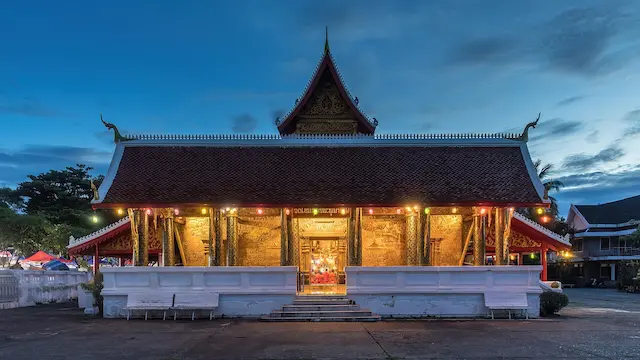
Wat Mai Suwannaphumaham | Photo by Basile Morin | Wikimedia Commons (CC BY 4.0)
Other Notable Temples
This Luang Prabang travel guide highlights additional temples worth visiting:
Wat Mai Suwannaphumaham:
- Five-tiered roof
- Gilded facade with bas-reliefs
- Jataka tales depicted in gold
- Central location
- Free entry (donations welcomed)
Wat Wisunalat (Wat Visoun):
- Oldest operating temple (1513)
- Unique architectural style
- That Makmo (“Watermelon Stupa”) – distinctive rounded stupa
- Ancient Buddha collection
- Peaceful atmosphere
Wat Sene:
- Built 1718
- Golden facade
- Thai-influenced architecture
- Evening chanting ceremonies
- Less touristy
Wat Phra Mahathat:
- Located on Mount Phousi approach
- Beautiful murals
- Shaded grounds
- Part of Phousi climb
Temple Visiting Tips:
- Most temples free (donations appreciated)
- Remove shoes before entering buildings
- Dress modestly always
- Observe quietly during ceremonies
- Photography usually allowed (no flash)
- Early morning or late afternoon best
Activities & Experiences in Luang Prabang
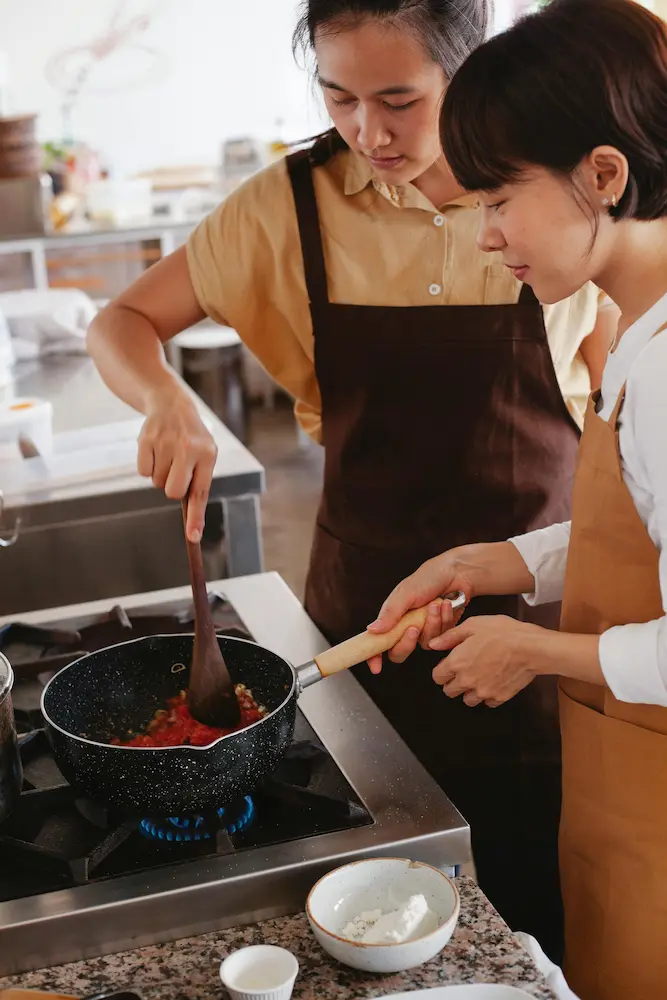
This Luang Prabang travel guide covers experiences beyond sightseeing:
Cooking Classes: Hands-On Culture
What You Learn:
Typical Class Structure:
- Market visit (7:30-8:30am): Ingredient shopping, local produce education
- Travel to cooking school: Often riverside or garden setting
- Cooking session (3-5 dishes): Hands-on preparation with guidance
- Lunch/dinner: Enjoy your creations
- Recipe cards: Take techniques home
Common Dishes Taught:
- Laap (national dish)
- Tam mak hoong (papaya salad)
- Or lam (traditional stew)
- Khao soi (noodle soup)
- Mok pa (steamed fish in banana leaf)
- Sticky rice preparation
Benefits:
- Cultural immersion
- Practical skills
- Market insights
- Social atmosphere (meet travelers)
- Delicious meal included
- Support local businesses
Recommended Schools:
Tamarind:
- Most established
- Beautiful riverside location
- Morning and afternoon classes
- $35-40 per person
- Book 2-3 days ahead
Bamboo Tree:
- Garden setting
- Smaller groups
- Market tour included
- $30-35 per person
Tam Nak Lao:
- Traditional Lao house
- Focus on authentic recipes
- Intimate classes
- $28-35 per person
Booking: Reserve 3-5 days ahead during peak season, 1-2 days okay shoulder season.
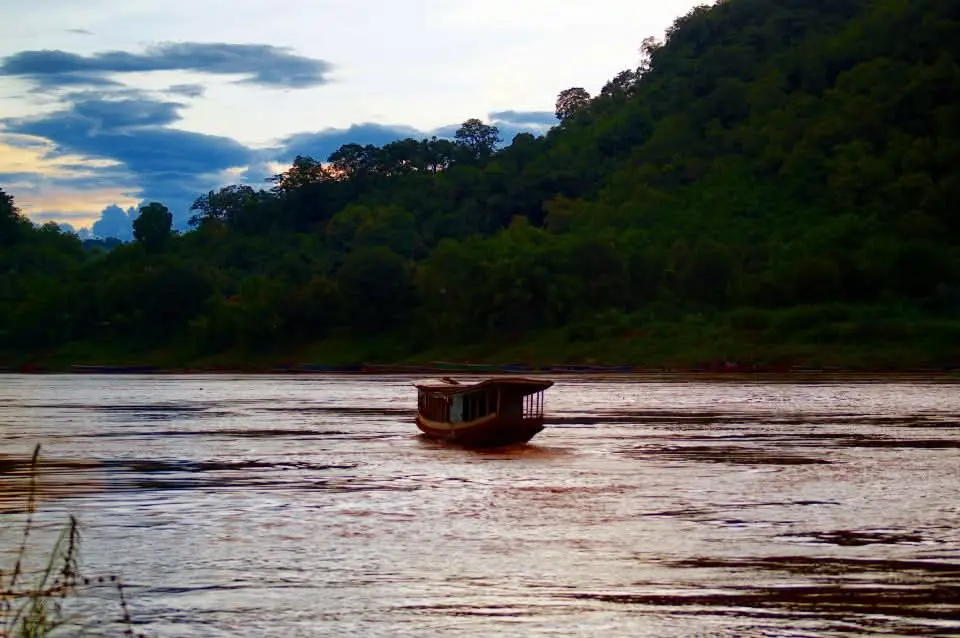
Mekong River | Photo by Irwan Shah Bin Abdullah | Wikimedia Commons (CC BY 4.0)
Mekong River Sunset Cruise
The Experience:
Traditional wooden long-tail boats cruise the Mekong at sunset, offering peaceful views of riverside villages, temples, and mountains as golden hour light transforms the landscape.
What’s Included:
- 1.5-2 hour cruise
- Sunset timing (5-7pm depending on season)
- Beer Lao or soft drinks
- Snacks
- Sometimes live traditional music
Types of Cruises:
Standard Group Cruise:
- 15-30 people per boat
- $10-15 per person
- Departs daily around 5pm
- Book through guesthouse or street vendors
Private Boat:
- Smaller groups (2-10 people)
- $40-80 total (negotiate)
- Flexible timing
- More intimate experience
Dinner Cruise:
- Meal included
- 2-3 hours
- $25-35 per person
- More touristy but convenient
Alternative: Rent kayak ($5-8) and paddle at your own pace—active, flexible, and cheaper.
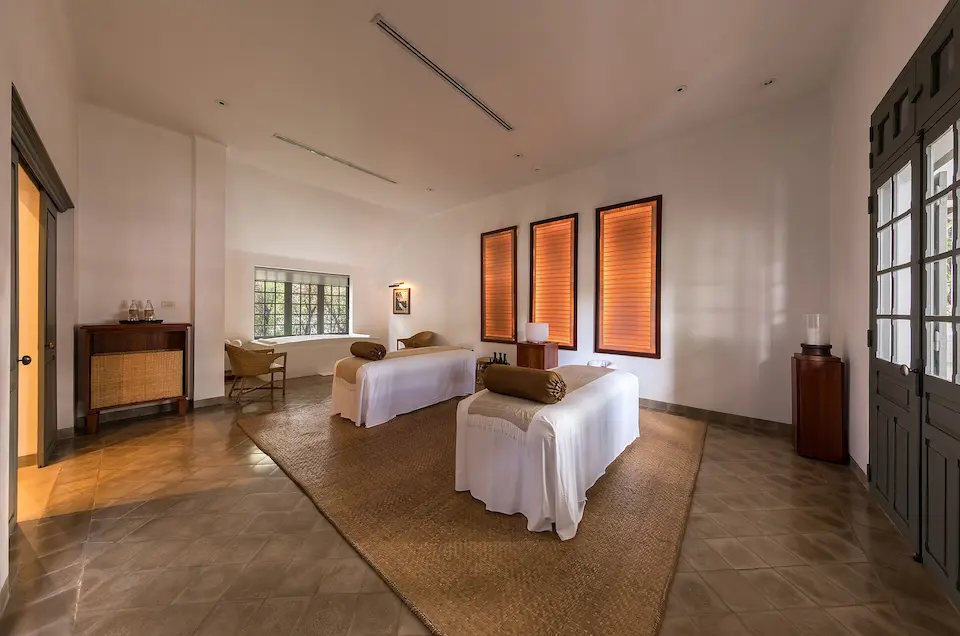
Lao Massage | Photo by Basile Morin | Wikimedia Commons (CC BY 4.0)
Traditional Massage & Spa
Lao Massage Style: Similar to Thai massage—clothed, mat-based, stretching and pressure point work. Less intense than Thai, more gentle flowing movements.
Where to Go:
Red Cross Massage:
- Non-profit (supports Red Cross)
- Traditional techniques
- 1 hour: $8-10
- No-frills but authentic
- Proceeds to good cause
Spa Options:
- Hotel spas: $15-30/hour
- Independent spas: $12-20/hour
- Herbal sauna often included
- Range from basic to luxury
Treatments Available:
- Traditional Lao massage
- Oil massage
- Foot massage
- Herbal compress massage
- Facial treatments
- Herbal sauna
Etiquette:
- Arrive 5-10 minutes early
- Shower first if possible
- Communicate pressure preference
- Tip 10-20% for good service
Trekking & Village Visits
Options:
Half-Day Treks:
- Nearby villages
- 3-4 hours
- $20-30 per person
- Light difficulty
Full-Day Treks:
- Multiple villages
- Waterfall visits
- Lunch included
- $35-50 per person
- Moderate difficulty
Multi-Day Treks:
- Homestay in villages
- Deeper immersion
- 2-3 days
- $70-120 per person
- Cultural experience priority
What to Expect:
- Walk through rice paddies and jungle
- Visit ethnic minority villages (Hmong, Khmu)
- Learn traditional crafts
- Simple but authentic homestays
- Basic facilities
- Meaningful cultural exchange
Recommended Operators:
- Tiger Trail (established, good reputation)
- Buffalo Dairy Farm Tours (unique experience)
- All Lao Elephant Camp (ethical elephant experience)
- Green Discovery (adventure focus)
Booking: 1-3 days ahead usually sufficient.
👉 Also Read: 10 Powerful Reasons for Traveling Vietnam Memorial Wall
Ock Pop Tok Living Crafts Centre
What It Is: Social enterprise promoting traditional Lao weaving and crafts through workshops, demonstrations, and fair-trade sales.
Activities:
Weaving Classes:
- Half-day: $35-45
- Full-day: $65-75
- Learn traditional techniques
- Create your own textile
- Take home what you make
Natural Dye Workshop:
- Learn plant-based dyeing
- Traditional methods
- Hands-on experience
- $30-40
Gallery & Shop:
- Beautiful textiles
- Fair prices (support artisans)
- High quality
- Expensive but ethical
Location: Across Nam Khan River (short boat ride from center)
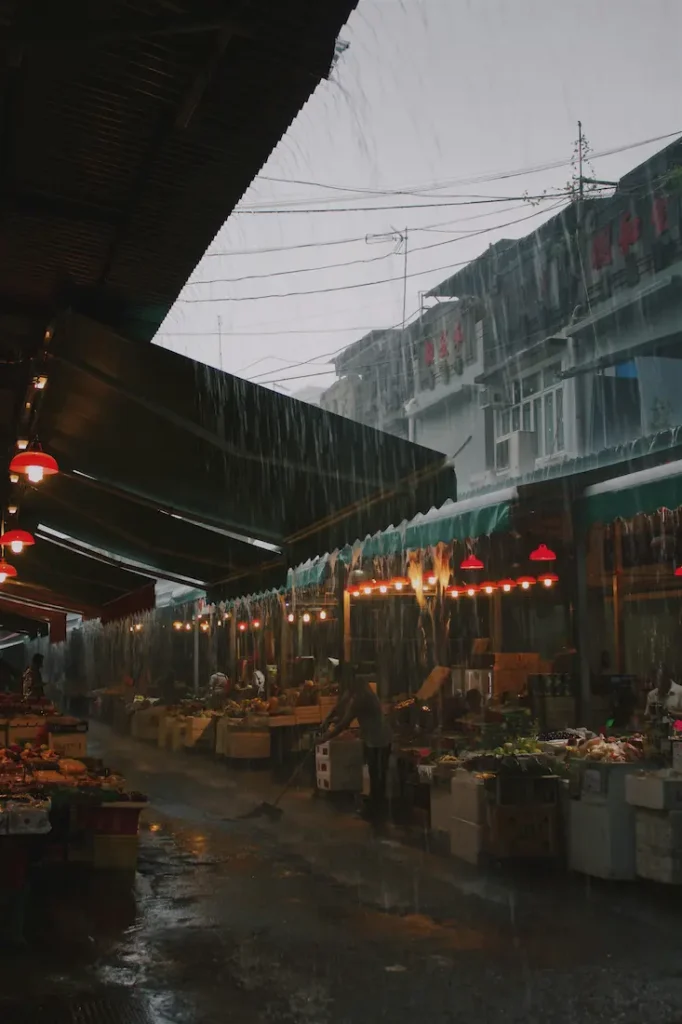
Night Market: Shopping & Atmosphere
When & Where:
- Daily 5pm-10pm
- Main street (Sisavangvong Road) closes to traffic
- Hundreds of stalls
- Central location (impossible to miss)
What’s Sold:
- Textiles and scarves
- Silver jewelry
- Paper lanterns
- Paintings and art
- Bags and pouches
- Clothing
- Home decor
- Handicrafts
Why Visit:
- Atmospheric evening activity
- Quality handicrafts (better than Bangkok tourist markets)
- Fair prices with bargaining
- Support local artisans
- Beautiful displays
Shopping Tips:
- Walk entire market before buying (compare prices and quality)
- Bargain respectfully (start 40-50% of asking price)
- Quality varies (examine carefully)
- Cash only (kip or USD)
- Bring small bills
- Best bargains at opening (5-6pm) or closing (9-10pm)
Alternatives:
- Morning market (fresh produce, street food, local life)
- Hmong night market (next to main market, similar goods)
Volunteering Opportunities
Ock Pop Tok Visitor Center:
- English teaching
- Craft workshops
- Community projects
- Minimum 1 week usually
Big Brother Mouse:
- Read with Lao students
- English conversation practice
- Book donations welcomed
- Drop-in sessions available
TAEC (Traditional Arts Centre):
- Cultural programs
- Various opportunities
- Inquire directly
Notes: Most require advance arrangement. Volunteering should be approached thoughtfully—ensure organizations are reputable and beneficial to local community.
👉 Also Read: Travel Insurance Vietnam: Your Complete Guide
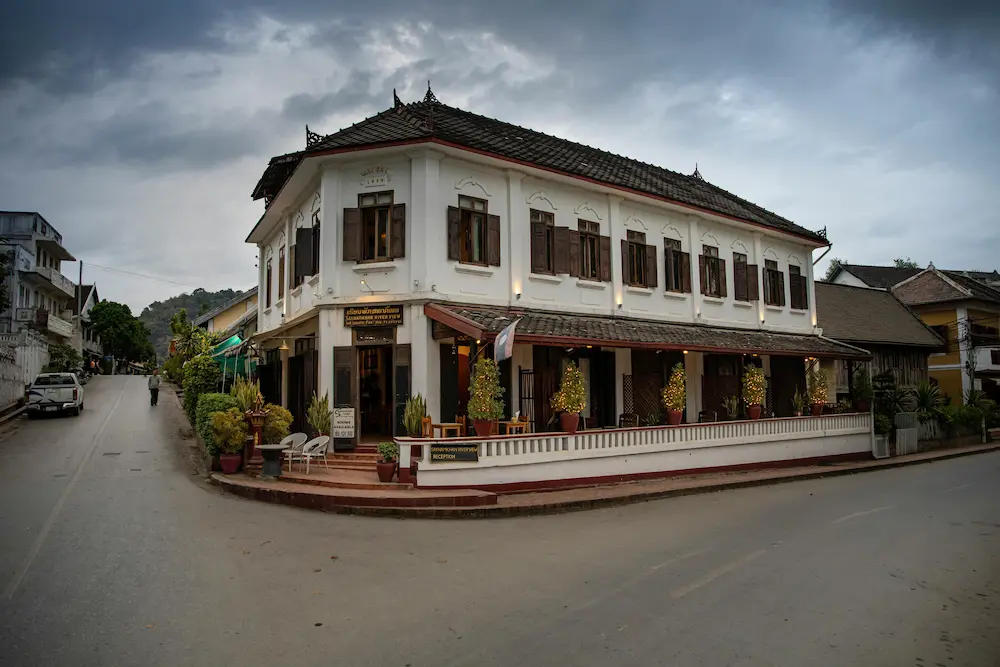
Where to Stay in Luang Prabang
This Luang Prabang travel guide breaks down accommodation by area and budget:
Best Neighborhoods
Old Town Peninsula:
Character:
- UNESCO heritage heart
- Walking distance to everything
- Temple views
- Colonial architecture
- Most atmospheric
Pros:
- No transport needed
- Immersive atmosphere
- Restaurant/cafe abundance
- Best location overall
Cons:
- Highest prices
- Can be noisy (roosters, monks, street activity)
- Limited parking
- Books out fastest
Best For: First-time visitors, those prioritizing location
Riverside (Mekong & Nam Khan):
Character:
- River views
- Sunset watching
- Mix of budget and luxury
- Slightly outside main action
Pros:
- Beautiful views
- More space
- River breezes
- Calmer than center
Cons:
- 5-15 minute walk to temples
- Prices reflect views
- Some areas flood during wet season
Best For: Relaxation seekers, river lovers
Across Nam Khan River:
Character:
- Local neighborhood
- Quieter atmosphere
- Better value
- Short boat ride to old town
Pros:
- 30-50% cheaper than old town
- More authentic
- Less touristy
- Easy river taxi access (5 minutes, 10,000 kip)
Cons:
- Less convenient
- Fewer restaurants nearby
- River taxi stops running late evening
Best For: Budget travelers, those seeking local life
Outskirts (3-5km from center):
Character:
- Village setting
- Resort-style properties
- Peaceful
- Requires transport
Pros:
- Best value for luxury
- Swimming pools common
- Spacious grounds
- Quiet
Cons:
- Need tuk-tuk for town ($2-3 each way)
- Limited walkable restaurants
- Isolated evenings
Best For: Families, luxury seekers, car/motorbike renters
Budget Accommodation ($8-20/night)
Hostels:
Backpacker Central:
- Dorm beds: $5-8
- Private rooms: $12-18
- Social atmosphere
- Common areas
- Tours organized
Spicy Laos:
- Popular party hostel
- Bar and pool
- Dorms: $6-10
- Social vibe
- Can be noisy
Inthira Thakhek:
- Basic but clean
- Good location
- Dorms: $7-9
- Quieter than party hostels
Guesthouses:
Characteristics:
- Family-run
- Basic but clean
- Fan rooms: $8-12
- AC rooms: $15-20
- Shared or private bathrooms
What to Expect:
- Simple furnishings
- Functional not stylish
- Friendly owners
- Travel advice
- Sometimes breakfast included
Booking Strategy:
- Walk-ins work low season
- Book 2-3 days ahead peak season
- Negotiate better rates for longer stays
- Check room before committing
Mid-Range Accommodation ($25-60/night)
Boutique Guesthouses:
Villa Chitdara:
- Colonial-era villa
- Garden setting
- Breakfast included
- $35-45/night
Sala Prabang:
- Traditional Lao architecture
- Central location
- Stylish rooms
- $40-55/night
The Apsara:
- Riverside location
- Pool
- Good restaurant
- $45-60/night
Small Hotels:
Characteristics:
- 10-30 rooms
- AC and hot water
- Swimming pools (some)
- Breakfast included
- Good service
What to Expect:
- Comfortable beds
- Modern bathrooms
- Wi-Fi
- Daily cleaning
- Tour booking assistance
Best Value Range: $30-45 gets excellent accommodation—comfortable, stylish, well-located. The sweet spot in Luang Prabang.
Luxury Accommodation ($80-300+/night)
Boutique Hotels:
Satri House:
- Restored 1930s villa
- 29 rooms
- Pool and spa
- Breakfast included
- $120-180/night
- Colonial elegance
3 Nagas Luang Prabang MGallery:
- UNESCO heritage building
- Central old town
- Luxurious
- Pool
- $150-220/night
Amantaka:
- Ultra-luxury (Aman Resorts)
- Colonial mansion complex
- 24 suites
- Pool and spa
- $600-1200+/night
- Ultimate indulgence
Resort Properties:
Rosewood Luang Prabang:
- Outside town (3km)
- Tented villas
- Pool and spa
- French-Lao fusion
- $250-500/night
Sofitel Luang Prabang:
- Colonial-era building
- Pool
- City center
- $180-280/night
La Résidence Phou Vao:
- Hillside setting
- Mountain views
- Pool
- Shuttle to town
- $150-250/night
What You Get:
- Exceptional service
- Beautiful design
- Swimming pools
- Spa facilities
- Fine dining
- Concierge assistance
- Historical significance
Worth It? Luang Prabang’s luxury hotels offer better value than equivalent Western properties—colonial heritage, exceptional service, and reasonable rates relative to quality.
Booking Tips
When to Book:
Peak Season (Nov-Feb, April):
- Book 4-6 weeks ahead for best properties
- Popular places sell out
- Prices non-negotiable
Shoulder Season (Mar, May, Oct-Nov):
- Book 1-2 weeks ahead
- Some last-minute deals
- Slight negotiation possible
Low Season (Jun-Sep):
- Last-minute booking fine
- Walk-ins get discounts
- Negotiate directly with properties
- Best deals
Platforms:
- Booking.com (widest selection)
- Agoda (often cheapest for Southeast Asia)
- Hotels.com (loyalty rewards)
- Direct booking (sometimes offers perks)
Pro Tips:
- Contact hotels directly via email for best rates
- Mention special occasions for upgrades
- Read recent reviews (not just rating)
- Check location carefully on map
- Confirm breakfast inclusion
- Ask about airport transfer
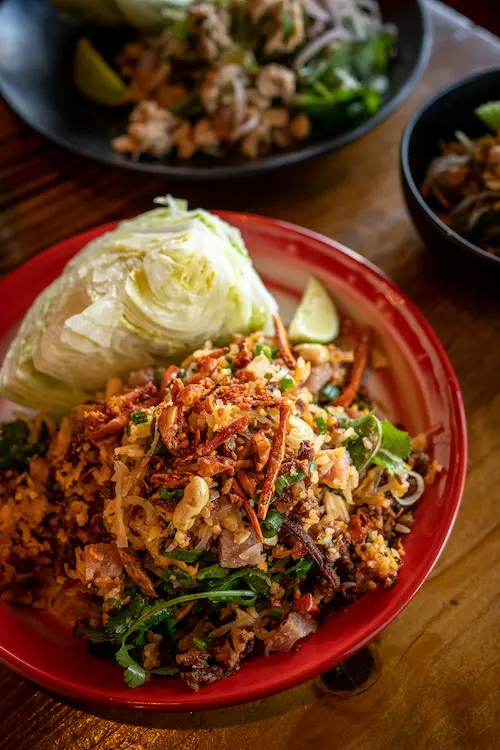
Food & Dining in Luang Prabang
This Luang Prabang travel guide covers culinary highlights:
Local Lao Cuisine
Must-Try Dishes:
Laap (National Dish):
- Minced meat salad (chicken, pork, beef, duck)
- Fresh herbs, lime, fish sauce, roasted rice powder
- Served with sticky rice
- Available everywhere
- $2-4 at local spots
Khao Soi (Luang Prabang Specialty):
- Noodles in rich, spicy broth
- Ground meat and tomatoes
- Different from Thai version
- Breakfast favorite
- $1.50-3
Or Lam:
- Traditional stew
- Vegetables, meat, wood ear mushrooms
- Slightly bitter flavor (sa khan wood)
- Authentic taste
- $3-5
Mok Pa:
- Fish steamed in banana leaf
- Herbs and spices
- Aromatic
- Often featured at cooking classes
- $4-6
Sai Oua (Lao Sausage):
- Grilled pork sausage
- Lemongrass and herbs
- Street food staple
- $1-2
Best Local Restaurants:
Dyen Sabai:
- Riverside setting
- Authentic Lao food
- Beautiful atmosphere
- $4-8 per dish
Bamboo Tree:
- Garden restaurant
- Traditional recipes
- Cooking school attached
- $5-10 per dish
Tamarind:
- Upscale Lao cuisine
- Tasting menu available
- Beautiful presentation
- $8-15 per dish
- Best Lao restaurant
Kualao Restaurant:
- Local favorite
- Authentic flavors
- No-frills
- $3-6 per dish
Street Food & Markets
Morning Market:
Location: Near Royal Palace Hours: 6am-10am daily
What to Find:
- Fresh breakfast (khao piak sen, khao jee)
- Tropical fruits
- Local snacks
- Coffee vendors
- Fresh produce
- Sticky rice
Cost: $1-3 per meal
Night Market Food Stalls:
Location: Side streets near night market Hours: 5pm-10pm
Options:
- Grilled skewers
- Fresh fruit shakes ($1-1.50)
- Lao desserts
- BBQ
- Fried snacks
Atmosphere: Bustling, authentic, local scene
French & International Cuisine
French Colonial Legacy:
Bakeries:
Joma Bakery Café:
- Best coffee in town
- Fresh pastries and bread
- Western breakfast
- Wi-Fi
- $3-8
Le Banneton:
- Authentic French bakery
- Croissants and baguettes
- Breakfast spot
- $2-6
Saffron Coffee:
- Excellent coffee
- Pastries
- Popular with expats
- $2-5
French Restaurants:
L’Éléphant:
- Fine dining
- French-Lao fusion
- Beautiful setting
- $12-25 per dish
Café Toui:
- Casual French bistro
- Good wine selection
- $8-18 per dish
International Options:
Indian:
- Tamnak Lao (also serves Lao)
- Curry selection
- $6-12
Italian:
- Bella Vista Luang Prabang
- Pizza and pasta
- $8-15
Western:
- Multiple burger joints
- Pizza places
- Comfort food available
Vegetarian & Vegan Options
Buddhist Restaurants:
- All-vegetarian
- Very affordable ($1-3)
- Near temples
- Simple but good
Western Cafes:
- Usually offer veggie options
- Salads, sandwiches
- Smoothie bowls
Lao Food:
- Many dishes easily made vegetarian
- Specify “mang sa lat” (vegetarian)
- Sticky rice always vegetarian
- Papaya salad (ask for no fish sauce/crab)
Budget Eating
Daily Food Budget:
Ultra-Budget ($5-8/day):
- Breakfast: Market food ($1-2)
- Lunch: Street food ($2-3)
- Dinner: Local restaurant ($3-5)
Mid-Range ($12-20/day):
- Breakfast: French cafe ($3-5)
- Lunch: Local restaurant ($4-6)
- Dinner: Nice restaurant ($8-12)
Comfort ($25-40+/day):
- All meals at tourist restaurants
- Coffee and snacks
- Drinks with dinner
- Occasional splurge
Money-Saving Tips:
- Eat breakfast at morning market
- Mix street food with sit-down meals
- Skip drinks (Beer Lao adds up)
- Share dishes (portions generous)
- Bring reusable water bottle
Practical Information
Getting to Luang Prabang
By Air:
Luang Prabang International Airport (LPQ):
- 4km from city center
- International flights: Thailand, Vietnam, Cambodia
- Domestic flights: Vientiane, Pakse
Airlines:
- Lao Airlines (most routes)
- Bangkok Airways (Bangkok)
- Vietnam Airlines (Hanoi, Da Nang)
- Thai Smile/AirAsia (Bangkok)
Airport to City:
- Tuk-tuk: 50,000 kip ($4-5), 10 minutes
- Shared van: 30,000 kip ($2-3)
- Hotel pickup: Often arranged free/small fee
By Bus:
From Vientiane:
- VIP bus: 6-7 hours, $12-18
- Minivan: 5-6 hours, $15-20
- Sleeper bus: overnight, $15-20
- Departures: Multiple daily
From Vang Vieng:
- 5-6 hours
- $10-15
- Several daily departures
- Scenic mountain route
From Thailand:
- Via Huay Xai border
- Slow boat: 2 days, $35-50
- Speedboat: 6 hours, $35 (dangerous, not recommended)
From Vietnam:
- Long journey (24+ hours)
- Usually via Vientiane
- Direct buses rare
Getting Around Luang Prabang
Walking:
- Old town fully walkable
- 20-30 minutes corner to corner
- Pleasant tree-lined streets
- Best way to explore
Bicycle:
- Rent: $2-5/day
- Flat old town
- Some hills outskirts
- Good for Kuang Si route if fit
Motorbike:
- Rent: $8-15/day
- Semi-automatic or automatic
- Freedom to explore
- Kuang Si Falls day trip
- International license theoretically required
Tuk-Tuk:
- Within town: 20,000-30,000 kip ($1-2)
- To Kuang Si Falls: 200,000-250,000 kip ($20-25 return)
- To airport: 50,000 kip ($4-5)
- Negotiate before entering
River Taxi:
- Cross Nam Khan: 10,000 kip
- Operates 6am-8pm approximately
- Small boats
- Atmospheric transport
Money & Costs
Currency:
- Lao Kip (LAK)
- 20,000 kip ≈ $1 USD
- Both kip and USD accepted
ATMs:
- Multiple in old town
- Withdrawal fees: 30,000-40,000 kip ($3-4)
- Daily limits: 2-3 million kip
- Dispense kip only
Credit Cards:
- Accepted at hotels and tourist restaurants
- 3% fee common
- Cash preferred elsewhere
Daily Budget:
- Budget: $25-35
- Mid-range: $50-75
- Luxury: $100-150+
Internet & Communication
SIM Cards:
- Purchase at airport or shops
- Unitel: best coverage, $10-12 for 7GB
- 4G available
- Bring passport
Wi-Fi:
- All accommodations
- Most restaurants and cafes
- Speed adequate
- Video calls possible
Safety
General: Very safe destination. Main concerns:
- Petty theft (watch bags in crowded areas)
- Motorbike accidents (roads can be dangerous)
- Drink spiking (rare but reported)
Stay Safe:
- Use hotel safes
- Watch belongings
- Avoid excessive drinking alone
- Be cautious on motorbikes
- Respect local customs
Emergency Numbers:
- Police: 191
- Ambulance: 195
- Tourist Police: 071-212453
Health
Medical Facilities:
- Basic clinics only
- Serious cases go to Thailand
- Travel insurance essential
Common Issues:
- Traveler’s diarrhea
- Heat exhaustion
- Mosquito bites
- Minor cuts/scrapes
Precautions:
- Bottled water only
- Sun protection
- Insect repellent
- Hand sanitizer
Sample Luang Prabang Itineraries
This Luang Prabang travel guide provides day-by-day plans:
3-Day Itinerary: Highlights
Day 1:
- Morning: Alms-giving ceremony (6am)
- Breakfast at French bakery
- Visit Wat Xieng Thong
- Explore 2-3 more temples
- Lunch at local restaurant
- Royal Palace Museum
- Climb Mount Phousi for sunset
- Night market and dinner
Day 2:
- Kuang Si Falls day trip (leave 8am)
- Swimming and photography
- Lunch at falls
- Return mid-afternoon
- Relax at accommodation
- Traditional massage
- Sunset cruise
- Dinner at Tamarind
Day 3:
- Morning market exploration
- TAEC museum visit
- Cooking class (book for afternoon)
- Or: Ock Pop Tok weaving workshop
- Evening: Riverside dining
- Final night market shopping
5-Day Itinerary: Comprehensive
Days 1-3: As above
Day 4:
- Trekking day trip
- Village visits
- Lunch in countryside
- Return late afternoon
- Free evening
Day 5:
- Tad Sae Waterfall (alternative to Kuang Si)
- Bike countryside
- Or: Rest day with cafe hopping
- Optional: Second cooking class
- Farewell dinner
7-Day Itinerary: Immersive
Days 1-5: As above
Day 6:
- Pak Ou Caves boat trip
- Buddha cave exploration
- Whiskey village stop
- Return late afternoon
Day 7:
- Morning temples you missed
- Final souvenir shopping
- Spa treatment
- Leisure time
- Departure preparation
Frequently Asked Questions
How many days do I need in Luang Prabang?
Minimum 3 days to see highlights (temples, Kuang Si Falls, alms ceremony). Ideal is 4-5 days allowing relaxed exploration, cooking class, trekking, and absorbing the atmosphere without rushing. A week works for slow travelers wanting deep immersion or using Luang Prabang as base for day trips. Most visitors spend 3-4 days which provides balanced experience.
Is Luang Prabang safe for solo travelers?
Yes, very safe including for solo women. Crime rates are low, locals are friendly and helpful, and aggressive behavior is rare. Standard precautions apply: watch belongings in crowded areas, avoid walking alone late at night in unlit areas, don’t accept drinks from strangers. The relaxed atmosphere and manageable size make Luang Prabang particularly welcoming for solo travelers. Many solo visitors report feeling completely comfortable.
How much does Luang Prabang cost per day?
Budget travelers manage on $25-35 daily (hostel dorm $6-8, street food $8-12, local transport $3-5, activities $5-10). Mid-range travelers spend $50-75 (private room $30-45, mix of local and tourist restaurants $15-25, regular tours $15-25). Luxury travelers spend $100-150+ (boutique hotel $80-120, upscale dining $30-50, premium activities $30-60). Luang Prabang is slightly more expensive than other Lao destinations but still affordable compared to Thailand or Western countries.
When is the best time to visit Luang Prabang?
November through February offers best conditions: comfortable temperatures (70-80°F days, 60-70°F nights), minimal rain, clear skies, and excellent visibility. This is peak season with highest prices and most crowds. March-May is very hot (85-100°F) but cheaper with fewer tourists. June-October is wet season with afternoon rains, lush landscapes, lowest prices, and fewest visitors—underrated for flexible travelers. Choose based on priorities: guaranteed weather (Nov-Feb), budget (Jun-Oct), or avoiding crowds (wet season).
Can I participate in the alms-giving ceremony?
Yes, but only if genuinely interested in the spiritual aspect—not as tourist activity. If participating: buy sticky rice from proper markets (not exploitative street vendors), wear modest clothing covering shoulders and knees, kneel on mat, offer small amounts to each monk, maintain silence, and leave immediately after. Most visitors should observe respectfully from distance (2+ meters, standing aside not blocking path). The ceremony is sacred religious practice that’s observable, not a tourist show. Respect is paramount.
Is Kuang Si Falls worth visiting?
Absolutely yes—it’s Luang Prabang’s top natural attraction and one of Southeast Asia’s most beautiful waterfalls. The turquoise pools, multiple tiers, swimming opportunities, and jungle setting create spectacular scenery. Visit early (8-9am) to beat crowds, bring swimwear and towel, allow 2-4 hours total. Worth every bit of the $2 entrance fee. Even if you’ve seen waterfalls before, Kuang Si’s unique color and accessibility make it special. Don’t skip it.
Do I need a guide for Luang Prabang?
No for temples and main attractions—Luang Prabang is easy to explore independently. The compact old town is walkable, English is spoken in tourist areas, and sights are well-marked. However, guides add value for: deeper cultural context at temples, trekking to villages (navigation and communication), cooking classes (usually included), and specific interests like photography or history. For most visitors, independent exploration works perfectly with occasional organized tours for specific activities.
What should I wear in Luang Prabang?
Modest clothing required at temples: shoulders and knees covered always. Generally: lightweight, breathable fabrics (cotton, linen), comfortable walking shoes, sunhat, light layers for cool evenings (Nov-Feb). For activities: swimwear for waterfalls, long pants/sleeves for trekking (sun and mosquito protection), rain jacket in wet season. Luang Prabang is more conservative than beach destinations—respect local culture with modest dress outside hotel/pool areas. Bring one nice outfit for upscale restaurants.
Final Tips for Your Luang Prabang Visit
Do’s
✅ Wake early for alms ceremony (even just to observe) ✅ Dress modestly at temples ✅ Try authentic Lao food ✅ Visit Kuang Si Falls ✅ Take cooking class ✅ Explore by foot or bicycle ✅ Climb Mount Phousi ✅ Support fair-trade shops ✅ Learn basic Lao phrases ✅ Respect local customs
Don’ts
❌ Touch monks or their belongings (women especially) ❌ Point feet at Buddha images ❌ Wear revealing clothing at temples ❌ Buy from exploitative alms ceremony vendors ❌ Expect everything on time (embrace Lao pace) ❌ Skip travel insurance ❌ Forget sun protection ❌ Rush through—savor the atmosphere
Conclusion: The Magic of Luang Prabang
This Luang Prabang travel guide reveals why this ancient city captivates travelers: it’s where Southeast Asia’s past remains vibrantly alive, where spirituality permeates daily life, and where natural beauty enhances cultural treasures.
Luang Prabang rewards those who approach it properly—not racing through a checklist of sights, but absorbing its peaceful rhythm, engaging with its traditions, and appreciating details that make it special. The early morning alms ceremony, the golden light on temple roofs, the turquoise pools of Kuang Si Falls, the taste of authentic laap, the kindness of local people—these create memories lasting far beyond the visit.
Whether you spend 3 days or a week, travel budget or luxury, come alone or with companions, Luang Prabang offers one of Southeast Asia’s most rewarding experiences. It’s not the most dramatic, the most party-oriented, or the most developed destination—it’s simply one of the most authentic, beautiful, and soul-nourishing.
Start Planning Your Luang Prabang Adventure
📋 Your Planning Checklist:
- ✅ Choose travel dates (November-February for weather)
- ✅ Book flights to Luang Prabang or Vientiane
- ✅ Arrange Laos visa (e-visa or VOA)
- ✅ Reserve first 2 nights accommodation
- ✅ Purchase travel insurance
- ✅ Download offline maps (Maps.me)
- ✅ Pack modest temple clothing
- ✅ Pre-book cooking class if peak season
- ✅ Research restaurants and activities
- ✅ Set early alarm for alms ceremony
🗺️ Essential Resources:
🌏 Extend Your Journey:
- Vietnam Travel Guide
- Cambodia Travel Guide
- Thailand Travel Guide (Coming Soon)
📧 Need Help Planning?
Contact us for personalized Luang Prabang Travel Guide, accommodation recommendations, activity suggestions, or any questions about your visit.
💬 Share Your Experience:
Visited Luang Prabang? Have questions about this Luang Prabang travel guide? Planning your trip and need advice? Comment below—we respond to every question and love hearing about travelers’ experiences!
🔖 Save This Guide:
Bookmark this comprehensive Luang Prabang travel guide for easy reference during planning. Share with fellow travelers exploring Southeast Asia. Your Luang Prabang adventure awaits!
This Luang Prabang travel guide is regularly updated with current prices, new attractions, and traveler feedback. Notice outdated information? Have suggestions? Let us know in comments!
Last Updated: January 26, 2026