
Is Laos safe in 2026?
Yes—Laos is one of the safest countries in Southeast Asia, with very low crime rates and a relaxed, friendly atmosphere for tourists. Most travelers visit without any problems.
However, the biggest risks in Laos are not crime, but things like road accidents, food-related illness, and heat exhaustion—all of which are easy to avoid with basic precautions.
In this guide, you’ll quickly learn:
- ✔️ Real safety risks (not exaggerated fears)
- ✔️ What to avoid in Laos
- ✔️ Tips for solo travelers (including women)
- ✔️ Health, transport, and scam safety
👉 Quick answer: Laos is safe for tourists, solo travelers, and even first-time visitors—if you travel smart.
👉 Also read to know everything about Laos travel to plan your adventure in 2026
Table of Contents
Is Laos Safe for Tourists in 2026? (Quick Summary)
- 🟢 Overall safety: Very safe
- 🟢 Violent crime: Extremely rare
- 🟡 Petty theft: Low but exists
- 🔴 Biggest risk: Road accidents (especially motorbikes)
- 🟢 Solo female travel: Safe
- 🟢 Scams: Minimal compared to Thailand/Vietnam
👉 Verdict: Laos is safe for most travelers with basic precautions.
🔴 Biggest Risks in Laos (What Actually Matters)
1. Road Accidents (Biggest Risk)
- Poor road conditions
- Unsafe driving habits
- Motorbike accidents common
👉 Avoid renting bikes unless experienced
2. Food & Water Issues
- Tap water unsafe
- Street food usually safe if busy
3. Heat & Dehydration
- Tropical climate
- Drink 3+ liters daily
4. Health & Medical Limits
- Limited hospitals outside major cities
- Serious cases require evacuation
👉 Travel insurance is essential.
👉 Bottom line: Most risks are easy to avoid with basic precautions.
Understanding Laos Travel Safety: The Big Picture
Before diving into specific safety topics, establishing context helps set realistic expectations.
How Safe is Laos Really?
Crime Statistics:
- Laos has one of Southeast Asia’s lowest crime rates
- Violent crime against tourists is extremely rare
- Petty theft occurs but less frequently than Thailand or Vietnam
- Police presence is visible in tourist areas
- Local culture emphasizes non-confrontation and hospitality
Government Travel Advisories:
- U.S. State Department: Level 1 (Exercise Normal Precautions) – lowest level
- UK Foreign Office: No blanket warnings against travel
- Australian DFAT: Level 1 (Exercise Normal Safety Precautions) – lowest level
- Same rating as many Western European countries
Traveler Experiences:
- 4+ million international visitors annually (pre-pandemic)
- Overwhelming majority report positive, safe experiences
- Solo travelers, including women, commonly feel very secure
- Families find Laos welcoming and comfortable
- Incidents affecting tourists are rare and widely reported when they occur
Safety Compared to Regional Neighbors
Laos vs. Thailand:
- Laos has lower crime rates overall
- Less aggressive touting and scamming in Laos
- Fewer tourists means less tourist-targeted crime
- Thailand has better emergency infrastructure
Laos vs. Vietnam:
- Similar safety levels overall
- Laos traffic is less chaotic than Vietnam’s cities
- Vietnam has better medical facilities
- Both very safe for tourists
Laos vs. Cambodia:
- Comparable safety profiles
- Laos slightly lower crime perception
- Both have UXO (unexploded ordnance) issues in rural areas
- Similar infrastructure challenges
The Verdict: Laos travel safety compares favorably to regional neighbors and many Western destinations. Standard precautions suffice for safe travel.

Crime and Personal Safety in Laos
Laos has very low crime rates, especially compared to many tourist destinations.
What to watch for:
- Pickpocketing in markets
- Bag snatching in Vientiane
- Unattended belongings
How to stay safe:
- Use a crossbody bag
- Keep valuables hidden
- Avoid walking with phone near traffic
👉 Bottom line: Crime is not a major concern in Laos.
Sexual Assault and Harassment
Reality Check:
- Sexual assault rates against tourists are low
- Harassment is minimal compared to many destinations
- Lao culture is generally respectful
- Most incidents involve alcohol and poor judgment
For All Travelers:
- Never leave drinks unattended
- Watch bartender prepare your drink
- Avoid excessive alcohol around strangers
- Don’t accept drinks from people you just met
- Travel with friends at night when possible
- Trust instincts about situations feeling unsafe
For Female Travelers:
- Dress modestly (cultural respect and reduces unwanted attention)
- Stay in well-reviewed accommodations with good lighting/security
- Keep room doors locked and secured
- Inform others of whereabouts and plans
- Consider joining group tours/activities to meet other travelers
- Use women-only dorm rooms in hostels if available
- Be cautious about romantic advances from locals or travelers
If Something Happens:
- Get to safe location immediately
- Contact your embassy (they have protocols for assisting)
- Report to tourist police (limited English but necessary)
- Seek medical care promptly if needed
- Contact your travel insurance
- Reach out to crisis helplines (embassy can provide numbers)
Drug-Related Risks
The Situation:
- Marijuana, opium, and other drugs are illegal in Laos despite availability
- Penalties are severe: long prison sentences are possible
- Police corruption exists but targeting tourists creates diplomatic problems
- “Happy pizza” and similar offerings exist but are illegal
- Drug setup scams occasionally occur
Laos Travel Safety Advice:
- Simply don’t buy or use illegal drugs in Laos
- The risk is not worth it regardless of how available it seems
- If offered drugs, politely decline
- Be aware that “being a tourist” is not a defense
- Prison conditions in Laos are harsh
- Your embassy can only do limited things to help
Health and Medical Safety
Maintaining health is crucial for Laos travel safety and enjoyable experiences.
Pre-Travel Health Preparations
Vaccinations (Consult Travel Clinic 6-8 Weeks Before):
Recommended for All:
- Hepatitis A (food/water-borne diseases)
- Typhoid (food/water-borne)
- Routine vaccinations (Tetanus, MMR, etc.)
Recommended Based on Itinerary:
- Hepatitis B (longer stays, potential medical procedures)
- Japanese Encephalitis (rural areas, rainy season, extended stays)
- Rabies (animal contact, remote trekking, limited medical access)
Malaria Consideration:
- Low risk in major tourist areas
- Moderate risk in remote forests and border regions
- Most tourists skip prophylaxis for standard routes
- Discuss with doctor based on specific itinerary
- Mosquito prevention essential regardless
Travel Insurance (Non-Negotiable):
- Comprehensive coverage with medical evacuation
- Minimum $50,000 medical evacuation coverage
- Verify coverage for activities you’ll do (trekking, kayaking, etc.)
- Understand claims process before departure
- Save emergency contact numbers in phone and on paper
Recommended Providers:
- World Nomads (popular with backpackers, adventure coverage)
- Safety Wing (good for long-term travel)
- Allianz (comprehensive options)
- IMG Global (strong medical coverage)
Food and Water Safety
Water Rules:
- Never drink tap water
- Bottled water widely available ($0.50-1)
- Use purified water refill stations at guesthouses (free)
- Brush teeth with bottled water
- Ice in tourist areas generally safe (purified water)
- Be cautious with ice in very rural areas
Food Safety Guidelines:
Generally Safe:
- Street food from busy vendors (high turnover = fresh food)
- Thoroughly cooked hot food
- Fruits you peel yourself
- Food at reputable restaurants
- Packaged snacks
Approach with Caution:
- Raw vegetables and salads (especially rural areas)
- Pre-cut fruit sitting out
- Uncooked or undercooked meat
- Dairy products (limited refrigeration in rural areas)
- Food from empty restaurants (not fresh)
Preventing Traveler’s Diarrhea:
- Wash hands frequently (carry hand sanitizer)
- Eat at busy restaurants (high turnover)
- Choose cooked food over raw
- Peel fruits yourself
- Avoid food sitting out at room temperature
If You Get Sick:
- Stay hydrated (most important!)
- Electrolyte solutions (oral rehydration salts)
- Imodium for symptoms (bring from home)
- Bland foods (rice, bananas, toast)
- Rest and let it pass (usually 1-3 days)
- Seek medical care if: bloody diarrhea, high fever, severe pain, lasts 3+ days
Heat and Sun Safety
Heat Illness Prevention:
- Drink 3+ liters water daily (more if active)
- Urine should be light yellow
- Avoid peak sun (11 AM – 3 PM) for intense activities
- Wear hat and light, breathable clothing
- Take breaks in air-conditioned spaces
- Don’t ignore early symptoms (headache, dizziness, nausea)
Sun Protection:
- Sunscreen SPF 30+ (reapply every 2 hours)
- UV rays are intense year-round
- Wear sunglasses (protect eyes)
- Long sleeves and pants also protect from sun
- Seek shade during hottest hours
Heat Exhaustion Warning Signs:
- Heavy sweating
- Weakness and dizziness
- Nausea and headache
- Muscle cramps
- Rapid pulse
Treatment: Rest in shade/AC, drink water with electrolytes, cool body with damp cloths, elevate legs. Seek medical help if symptoms worsen.
Mosquito-Borne Illness Prevention
Diseases Present:
- Dengue fever (present year-round, peaks rainy season)
- Malaria (low risk tourist areas, moderate risk remote regions)
- Japanese Encephalitis (rural areas, rainy season)
- Zika virus (low risk currently)
Prevention is Key (No vaccines for most mosquito diseases):
Mosquito Repellent:
- DEET 30-50% concentration most effective
- Picaridin 20% also works well
- Apply to all exposed skin
- Reapply every few hours, especially after swimming/sweating
Clothing:
- Long sleeves and pants at dawn/dusk (peak mosquito times)
- Treat clothing with permethrin for added protection
- Light-colored clothing (mosquitoes attracted to dark colors)
Environmental:
- Sleep under mosquito nets in rural areas
- Use air conditioning when available (mosquitoes don’t like cool temps)
- Avoid standing water
- Use mosquito coils or plug-in repellents in rooms
Medical Facilities and Care
What’s Available:
- Adequate clinics in Vientiane and Luang Prabang for minor issues
- English-speaking doctors at international clinics
- Well-stocked pharmacies in major towns
- Basic facilities in smaller towns
- Very limited care in rural areas
Serious Illness/Injury:
- Requires medical evacuation to Thailand (Bangkok)
- Costs $10,000-30,000+ without insurance
- This is why travel insurance is mandatory
- Embassy assists with evacuation coordination
Recommended Facilities:
- Vientiane: Mahosot Hospital, Friendship Hospital, International Clinic
- Luang Prabang: Provincial Hospital, international clinics
- Pakse: Pakse Hospital (basic but adequate for minor issues)
Pharmacies:
- Many medications available without prescription
- Quality varies—stick to reputable pharmacies in cities
- Bring photo of medication if you need to match
- Pharmacists often speak some English in tourist areas
- Antibiotics, pain relievers, stomach medications readily available
What to Bring:
- Prescription medications (full supply plus extra)
- First aid kit with: bandages, antiseptic, pain relievers, anti-diarrhea medication
- Any specialty medications (hard to find in Laos)
- Copies of prescriptions
- Medical summary if you have chronic conditions
👉 Also Read: Best Time to Travel to Vietnam and Cambodia: Complete Guide

Transportation Safety
Transportation is the main safety concern in Laos.
Safer options:
- VIP buses
- Private drivers
- Reputable tour companies
Higher-risk options:
- Motorbikes (especially for beginners)
- Night buses
- Poorly maintained vehicles
Quick tips:
- Travel during daytime
- Avoid cheapest transport options
- Keep valuables close
👉 Bottom line: Choose comfort over cheap—it’s safer.
Scams and Tourist Traps
Laos has fewer scams than neighboring countries, but some still exist.
Common scams:
- Overcharging tourists
- Tuk-tuk commission stops
- Fake tour operators
How to avoid:
- Agree on price before service
- Book through trusted sources
- Avoid “too good to be true” deals
👉 Bottom line: Most scams are minor and avoidable.
Solo Travel Safety in Laos
Laos is very safe for solo travelers, including women.
Why it’s safe:
- Low crime rates
- Respectful culture
- Friendly locals
Smart tips:
- Stay in well-reviewed places
- Avoid isolated areas at night
- Don’t overdrink with strangers
👉 Bottom line: One of the best countries for solo travel in Southeast Asia.
Cultural Safety: Respecting Local Customs
Cultural respect isn’t just polite—it contributes to Laos travel safety by avoiding offense and problems.
Religious Respect
Temple Etiquette:
- Remove shoes before entering temple buildings
- Dress modestly (shoulders and knees covered)
- Don’t point feet at Buddha images or monks
- Sit with legs tucked to side, never extended
- Speak quietly and move calmly
- Don’t touch Buddha images
- Ask before photographing
- Remove hats inside temples
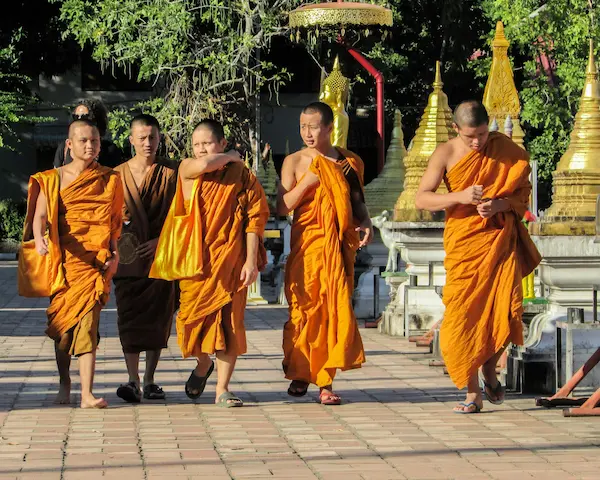
Monk Interactions:
- Women should never touch monks
- Women shouldn’t hand items directly to monks (place them down for monk to pick up)
- Don’t sit higher than monks
- Speak respectfully
- Early morning alms-giving requires proper etiquette
- Don’t disturb monks during prayers/meditation
Alms-Giving Ceremony (Tak Bat):
- If not participating, observe from distance
- Stand back, don’t block monks’ path
- Don’t photograph monks’ faces closely
- Remain silent and respectful
- If participating: dress modestly, kneel on mat, place small amount in each bowl
- Buy offerings from proper sources, not children (encourages begging)
Social Customs
Physical Contact:
- Head is sacred—don’t touch anyone’s head
- Feet are lowly—don’t point feet at people
- Public displays of affection are inappropriate
- Personal space is valued—maintain respectful distance
Greetings:
- “Sabaidee” with slight bow and hands together (prayer position)
- Smiling is important in Lao culture
- Respect elders particularly
Photography:
- Always ask permission before photographing people
- Ethnic minorities may charge small fees ($1-2)
- Military installations, government buildings off-limits
- Respect if people decline
Behavior:
- Keep calm and polite even if frustrated
- Raising voice or showing anger is offensive
- Patience is valued highly
- “Bor pen nyang” (no worries) is cultural philosophy
Dress:
- Modest clothing shows respect
- Revealing clothes offend locals
- Cover up in villages and temples
- Swimwear only at beaches/pools
Legal and Political Safety
Avoid:
- Criticizing government or political system
- Discussing politics unless locals bring it up
- Photographing government/military buildings
- Illegal drugs (very serious)
- Pornography possession
- Proselytizing (trying to convert people to your religion)
Region-Specific Safety Information
Different parts of Laos have unique safety considerations.
Luang Prabang Safety
Overall: Very safe, probably Laos’s safest tourist destination
Considerations:
- Petty theft in crowded areas
- Respect temple etiquette strictly (cultural center)
- Watch belongings at night market
- Safe to walk around day and night in tourist areas
- Kuang Si Waterfalls: watch belongings while swimming, slippery rocks
Vang Vieng Safety
Overall: Safe but has specific risks
Considerations:
- Tubing risks (rocks, alcohol, injuries)
- Adventure activity accidents (kayaking, rock climbing)
- Choose licensed operators for activities
- Don’t drink excessively during water activities
- Young party atmosphere—watch drinks, belongings
- Generally safe walking around town
Vientiane Safety
Overall: Safe but more urban crime than elsewhere
Considerations:
- Bag snatching from motorbikes (riverside areas)
- Keep bags on inside away from traffic
- Be alert when walking near roads
- Night markets are safe
- Traffic more chaotic than other cities
- Standard urban precautions apply
4000 Islands Safety
Overall: Very safe and relaxed
Considerations:
- Very laid-back atmosphere, minimal crime
- River currents can be strong
- Watch children near water constantly
- Basic medical facilities only
- Bring medications/supplies from Pakse
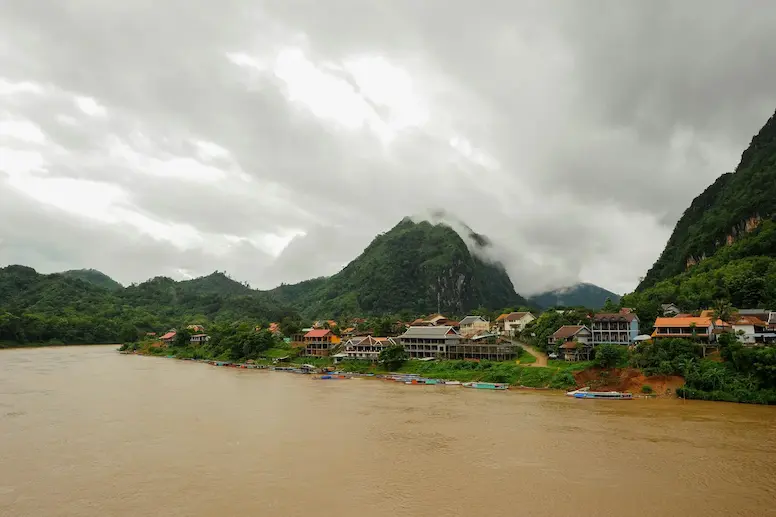
Northern Laos (Nong Khiaw, Luang Namtha)
Overall: Safe but remote
Considerations:
- UXO in rural areas off established paths
- Use guides for trekking
- Limited medical facilities
- Communication can be challenging (less English)
- Bring sufficient cash (limited ATMs)
- Respect ethnic minority customs
Emergency Procedures
Knowing what to do in emergencies is crucial for Laos travel safety.
Emergency Contact Numbers
Laos Emergency Services:
- General Emergency: 1191
- Police: 191
- Fire: 190
- Tourist Police: available in major cities
Important Embassies:
- U.S. Embassy Vientiane: +856-21-48-7000
- British Embassy: +856-21-263-700
- Australian Embassy: +856-21-353-800
- Canadian Embassy: +856-21-357-800
Note: English proficiency varies with emergency services. Embassy contact may be more effective for serious situations.
Medical Emergencies
Steps:
- Contact travel insurance emergency line immediately
- Go to international clinic in Vientiane or Luang Prabang
- Contact embassy if serious
- Don’t wait for ambulance—go directly to hospital
- Keep all medical documentation for insurance claims
- Have insurance policy number readily available
Lost or Stolen Passport
Immediate Actions:
- Report to local police (get police report for insurance/embassy)
- Contact your embassy immediately
- They will issue emergency travel document
- Process takes 1-3 business days typically
- Keep photocopies of passport separated from original (makes replacement easier)
Lost or Stolen Money/Cards
Steps:
- Cancel credit/debit cards immediately (call numbers on back or international hotline)
- Report to police if theft (for insurance)
- Contact bank to arrange emergency funds transfer
- Have backup card stored separately
- Emergency cash from Western Union or similar services
- Contact travel insurance
Natural Disasters
Floods (Rainy Season):
- Monitor weather forecasts
- Heed local warnings
- Don’t attempt to cross flooded roads
- Move to higher ground if flooding occurs
- Flash floods can happen rapidly in mountains
What to Do:
- Follow local authority instructions
- Contact embassy if evacuation needed
- Keep important documents in waterproof bags
- Have evacuation bag ready with essentials
Frequently Asked Questions
Is Laos safe for tourists?
Is Laos safe for solo female travelers?
What are the biggest safety concerns in Laos?
Do I need travel insurance for Laos?
Is it safe to eat street food in Laos?
What should I do if I get sick or injured in Laos?
How do I avoid scams in Laos?
What vaccinations do I need for Laos?
Conclusion: Travel Laos Safely and Confidently
After reviewing all aspects of Laos travel safety, the conclusion is clear: Laos is one of Southeast Asia’s safest, most welcoming destinations where prepared travelers can explore confidently with basic precautions. The country’s low crime rates, friendly culture, stable political situation, and Buddhist emphasis on non-violence create an environment where most visitors feel secure and comfortable.
The keys to safe Laos travel aren’t complex: purchase comprehensive travel insurance, get recommended vaccinations, never drink tap water, avoid riding motorbikes unless experienced, stay hydrated in tropical heat, secure valuables, use reputable transportation, respect local customs, stay on established paths in rural areas, and trust your instincts. These straightforward practices eliminate the vast majority of potential problems.
Understanding the difference between genuine risks and overblown fears empowers confident travel. Yes, transportation accidents happen—so choose buses over motorbikes and reputable companies. Yes, heat exhaustion affects travelers—so drink water constantly. Yes, petty theft occurs—so don’t leave valuables unattended. These are manageable risks, not reasons to avoid this remarkable country.
Laos rewards travelers with authentic experiences increasingly rare in our globalized world. Traditional villages welcome visitors warmly, Buddhist monasteries maintain genuine spiritual practices, natural landscapes remain largely unspoiled, and the slower pace teaches valuable lessons about presence and patience. The trade-off for this authenticity is accepting basic infrastructure, occasional inconveniences, and taking responsibility for your own safety through awareness and preparation.
Solo travelers, families, couples, adventure seekers, culture enthusiasts, and relaxation-focused visitors all find Laos accommodating and safe. The country has something for everyone: ancient temples and spiritual experiences, outdoor adventures and pristine nature, fascinating history and resilient people, delicious cuisine and warm hospitality.
Don’t let unfounded safety concerns prevent you from experiencing one of Southeast Asia’s hidden gems. Laos is waiting to welcome you with open arms, genuine smiles, and unforgettable experiences. The only regret you’ll have is not staying longer.
Start Your Safe Laos Adventure
Ready to explore Laos with confidence? Here’s your action plan for safe, rewarding travel.
Essential Pre-Departure Steps
8-12 Weeks Before:
- ✅ Schedule travel clinic appointment for vaccinations
- ✅ Research comprehensive travel insurance options
- ✅ Begin planning itinerary and booking flights
4-6 Weeks Before:
- ✅ Purchase travel insurance (don’t wait!)
- ✅ Complete vaccination series
- ✅ Apply for Laos visa if getting e-visa
- ✅ Book first few nights’ accommodation
1-2 Weeks Before:
- ✅ Photocopy passport and important documents
- ✅ Register with embassy (STEP for U.S. citizens)
- ✅ Notify banks/credit cards of travel
- ✅ Download offline maps (Maps.me, Google Maps)
- ✅ Save emergency numbers in phone
- ✅ Pack first aid kit and medications
- ✅ Share itinerary with trusted contacts
Subscribe to our newsletter for Laos travel safety updates, destination guides, health alerts, practical tips, and expert advice from experienced travelers who prioritize safe, responsible exploration!
Join our Laos travel community for real-time safety information, traveler experiences, current conditions, and supportive advice from people currently traveling in or recently returned from Laos.
[Link to: Complete Laos Travel Guide] | [Link to: Laos Travel Insurance Guide] | [Link to: Laos Health Preparations] | [Link to: Laos Solo Female Travel Guide]
Your Safety Essentials Checklist
Documents:
- Passport (6+ months validity) + photocopies
- Travel insurance card + policy number
- Vaccination records
- Emergency contact information
- Accommodation confirmations
Health:
- Comprehensive travel insurance
- Prescriptions + medication supply
- First aid kit
- Mosquito repellent (DEET 30%+)
- Sunscreen SPF 30+
- Hand sanitizer
- Water purification tablets (optional)
Safety:
- Money belt or hidden pouch
- Padlock for hostel lockers
- Portable door lock (optional)
- Flashlight/headlamp
- Whistle (attach to bag)
- Power bank for phone
Communication:
- Phone with international capability
- Emergency numbers saved
- Offline maps downloaded
- Translation app
- Local SIM card (buy on arrival)
Share Your Experience
Have you traveled to Laos? Share your safety experiences, tips, and advice in the comments. What surprised you? What precautions were most valuable? Your insights help future travelers!
Planning your Laos trip? Ask safety questions in the comments—our community of experienced Laos travelers provides honest, helpful advice based on real experiences.
Pin this safety guide to your Laos Travel or Travel Safety Pinterest boards for easy reference throughout your planning and trip!
Share with travel partners so everyone understands how to stay safe and can look out for each other during your Laos adventure!
Final Thoughts: Safety Through Awareness, Not Fear
The goal of this comprehensive Laos travel safety guide isn’t to make you fearful—it’s to empower you with knowledge that creates confidence. Informed travelers who understand real risks and take sensible precautions experience countries more deeply while staying safe.
Laos is not a dangerous destination requiring excessive caution or paranoia. It’s a welcoming, peaceful country where respectful visitors with basic awareness explore safely and create meaningful memories. The Lao people want you to enjoy their country, and they’ll go out of their way to help and protect you.
The greatest risk isn’t visiting Laos—it’s missing the opportunity to experience this special place because of unfounded fears or misinformation. Thousands of solo travelers, families, and adventurers explore Laos annually, and the vast majority report not only feeling safe but often safer than at home.
Pack wisely, prepare thoroughly, stay aware, respect local customs, trust your instincts, and embrace the journey. Laos is ready to welcome you with warm smiles, authentic experiences, and the profound peace that comes from slowing down in a country where “bor pen nyang” (no worries) isn’t just a phrase—it’s a way of life.
Travel safely, explore confidently, and prepare for unforgettable adventures in beautiful Laos.
🗺️ Essential Laos Resources:
🌏 Combine Your Trip:
- Vietnam Travel Guide
- Cambodia Travel Guide
- Thailand Travel Guide (Coming Soon)
📧 Need Personalized Help?
Contact us for custom itinerary planning, specific destination questions, budget advice, or any concerns about your Laos trip. We respond to every question!
💬 Join the Conversation:
Have questions about this Laos travel guide? Planning a trip and need advice? Share your experiences or ask below—we love helping travelers plan their Laos adventures and respond to every comment.
🔖 Save This Guide:
Bookmark this comprehensive Laos travel guide as your planning resource. Share with fellow travelers exploring Southeast Asia. Your Lao adventure awaits!
This Laos travel guide is continuously updated with current information, prices, and travel tips. If you notice outdated information or have suggestions, please let us know in the comments.
Sabaidee and safe travels—your Laos journey awaits!
Last Updated: April 4, 2026