
Discovering the best Cambodia street food ranks among Southeast Asia’s most rewarding culinary adventures. While neighboring Thai and Vietnamese cuisines dominate international attention, Cambodian food offers equally complex flavors, ancient recipes, and authentic experiences at incredibly affordable prices. This comprehensive guide reveals 20 essential dishes that define the best Cambodia street food, complete with what to order, where to find it, and how to eat like a local.
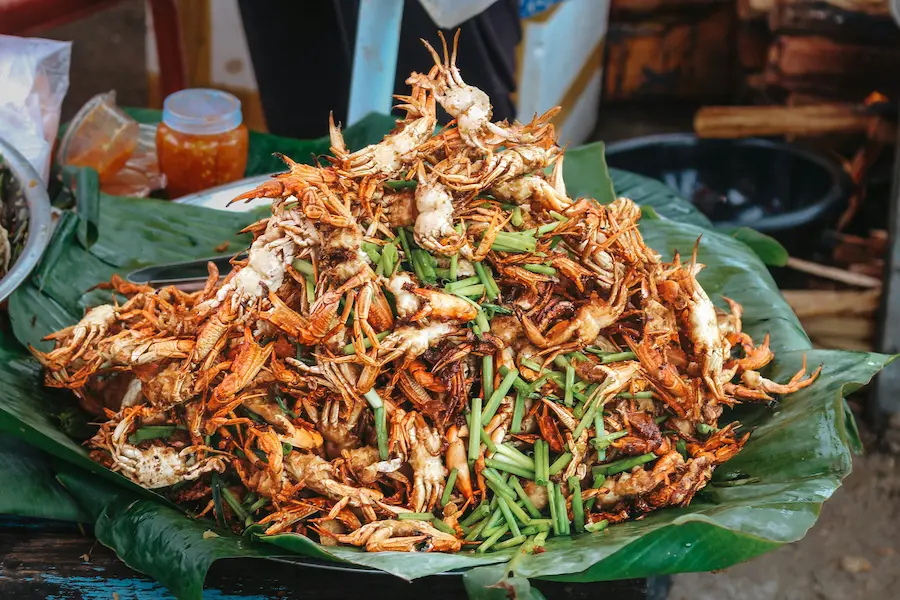
Table of Contents
Table of Contents
Why Cambodia Street Food Deserves More Recognition
Before exploring the best Cambodia street food dishes, understanding what makes Khmer cuisine special helps you appreciate the flavors you’re about to experience.
Ancient Culinary Heritage
Cambodian cuisine traces roots back to the Angkorian Empire (9th-15th centuries), with many dishes evolving from royal court recipes that eventually reached common people. The sophisticated use of herbs, fermented ingredients, and complex flavor profiles reflects centuries of culinary refinement. When you eat the best Cambodia street food, you’re tasting history.
French Colonial Influence
Cambodia’s French colonial period (1863-1953) left lasting impacts on street food, most notably the ubiquitous baguette (num pang) and coffee culture. The fusion of French ingredients with traditional Khmer cooking created unique dishes found nowhere else in Southeast Asia.
Fermented Flavors
Cambodian cuisine’s defining characteristic is the liberal use of prahok—fermented fish paste with an intensely pungent aroma and complex umami flavor. While challenging for uninitiated Western palates, prahok appears in countless dishes and represents the soul of Khmer cooking. Understanding and appreciating prahok opens doors to experiencing the best Cambodia street food authentically.
Fresh Herbs and Balance
Khmer cooking emphasizes fresh herbs, creating complex flavor layers with lemongrass, galangal, kaffir lime, turmeric, and numerous indigenous herbs. The best Cambodia street food achieves harmony between salty, sweet, sour, bitter, and umami—a balance reflecting Buddhist principles of moderation.
Affordability and Accessibility
Street food in Cambodia remains remarkably affordable, with most dishes costing $1-3. This accessibility means you can eat like royalty on a backpacker budget, sampling diverse dishes without financial stress.
👉 Also Read Best Street Food in Hanoi: Your Ultimate Guide to Vietnam’s Culinary Capital
The 20 Best Cambodia Street Food Dishes
1. Fish Amok (Amok Trey)
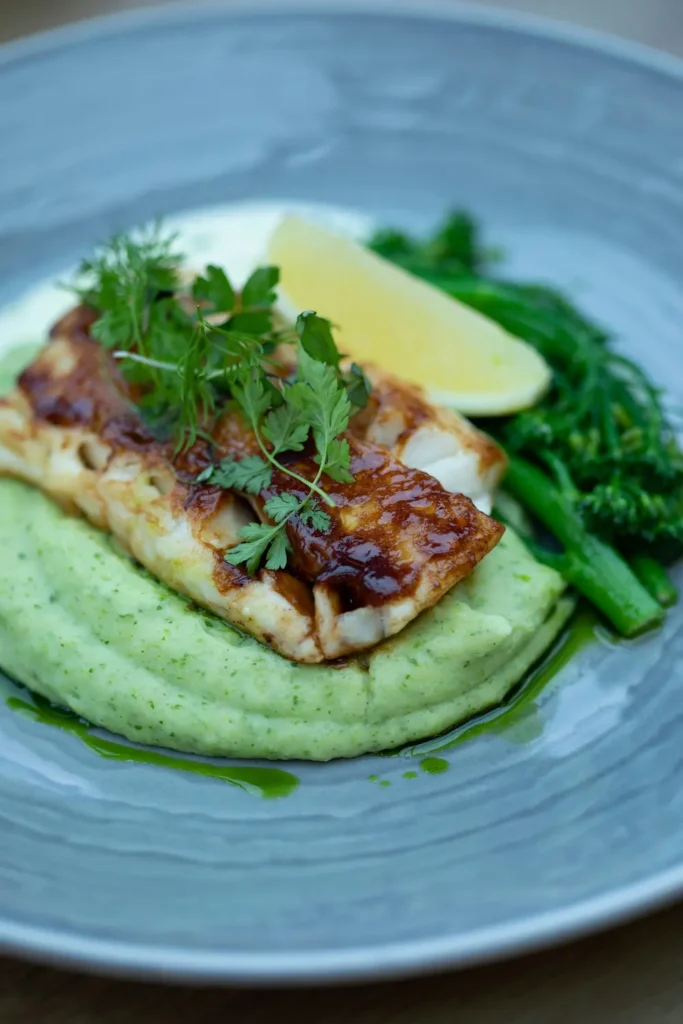
What It Is: Cambodia’s national dish features freshwater fish (usually snakehead or catfish) steamed in coconut curry with lemongrass, turmeric, kaffir lime, and galangal, traditionally served in banana leaf cups. The texture ranges from soupy to firm custard depending on preparation.
Why It’s Essential: Fish amok represents Cambodian cooking at its finest—complex, aromatic, and perfectly balanced. The kroeung (spice paste) base showcases traditional Khmer spice combinations used in countless dishes.
Where to Find It:
- Markets throughout Cambodia (breakfast/lunch)
- Riverside restaurants in Phnom Penh and Siem Reap
- Street vendors near major temples
- Central Market (Psar Thmey) in Phnom Penh
How to Eat: Spoon the custard-like mixture over rice, ensuring you get fish, coconut curry, and herbs in each bite. Start conservatively if new to coconut-based curries.
Price: $2-4 at street stalls, $5-8 at restaurants
Insider Tip: The best versions use fresh fish and steam rather than bake the mixture. Look for vendors preparing amok in banana leaf cups rather than bowls.
2. Nom Banh Chok (Khmer Noodles)
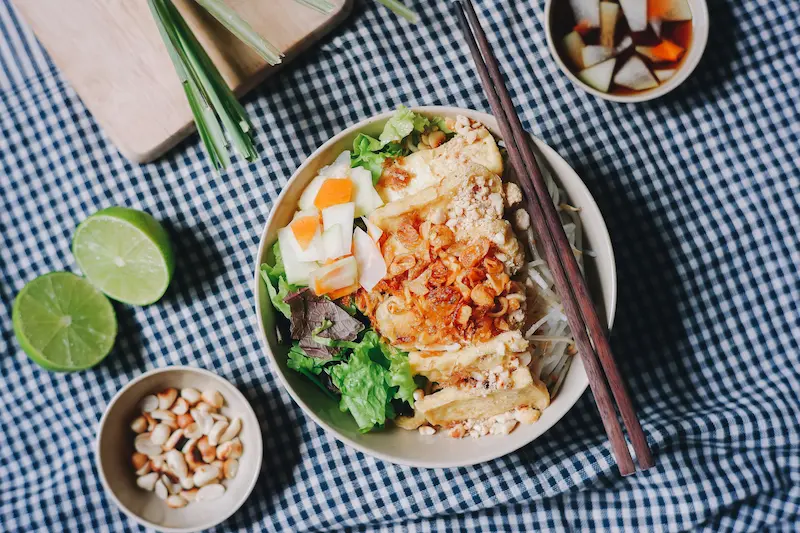
What It Is: Fresh rice noodles topped with fish-based green curry gravy made from lemongrass, turmeric, and galangal, served with raw vegetables, herbs, bean sprouts, and banana flower. Often called “Khmer noodles” or simply “Cambodian breakfast noodles.”
Why It’s Iconic: Nom banh chok is the quintessential Cambodian breakfast, eaten by millions daily. The dish showcases the Khmer love for fresh herbs and the essential role of fish in the cuisine.
Where to Find It:
- Morning markets (5:00-9:00 AM is prime time)
- Street vendors with large pots of green curry
- Riverside areas in Phnom Penh (morning)
- Any market in Siem Reap, Battambang, or Kampot
How to Eat: Mix noodles with curry, vegetables, and herbs. Add cucumbers and bean sprouts to taste. The dish should be eaten fresh—noodles become gummy if they sit too long.
Price: $0.75-1.50
Insider Tip: Look for vendors making noodles fresh on-site, squeezing rice paste through perforated baskets into boiling water. The fresher the noodles, the better the dish.
👉 Also Read Siem Reap Cambodia Travel: Ultimate Guide to Angkor’s Gateway
3. Num Pang (Cambodian Baguette Sandwich)
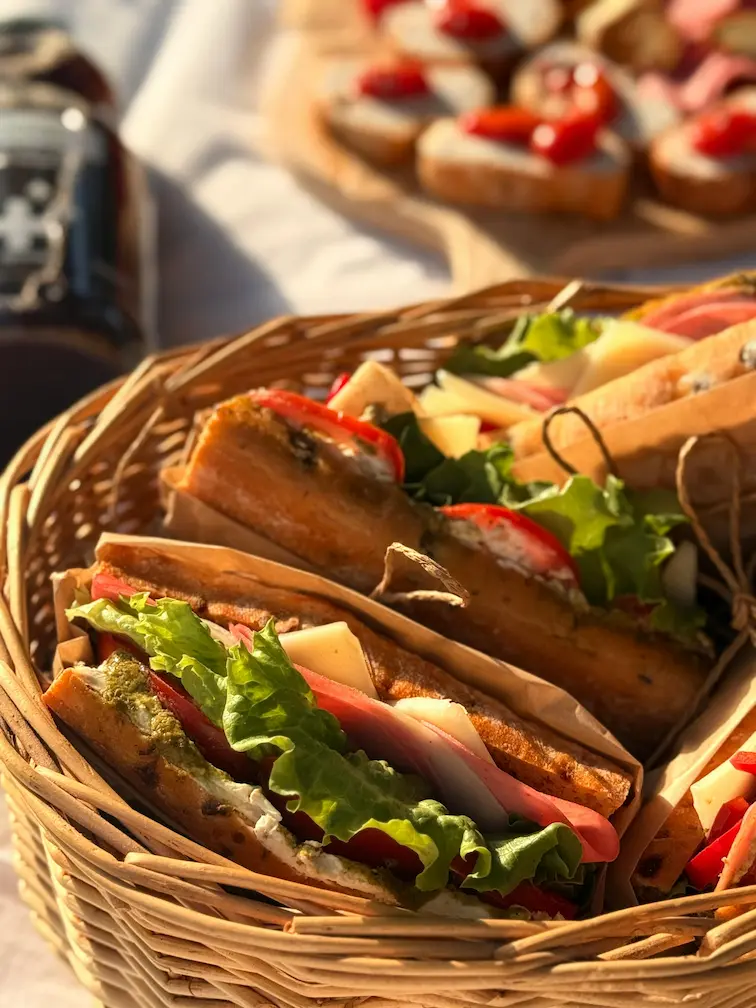
What It Is: Crispy French baguette filled with pâté, pickled vegetables (carrots, daikon), cucumber, cilantro, chili, and various proteins (grilled pork, sardines, Vietnamese sausage, eggs, or chicken). Cambodia’s answer to Vietnamese banh mi with distinct local touches.
Why It’s Beloved: This Franco-Khmer fusion represents Cambodia’s colonial history transformed into accessible street food. The contrast between crusty bread and savory, tangy fillings creates addictive combinations.
Where to Find It:
- Street corners throughout Cambodian cities
- Morning markets
- Near schools and universities (popular student food)
- Night markets
- Mobile vendors on bicycles
How to Eat: Eat immediately while the baguette remains crispy. The bread softens quickly in humid conditions. Don’t be shy with the chili sauce if you want authentic heat.
Price: $0.50-1.50 depending on fillings
Insider Tip: The best num pang comes from vendors who bake their own baguettes throughout the day. Look for crusty, golden bread rather than soft, pale versions.
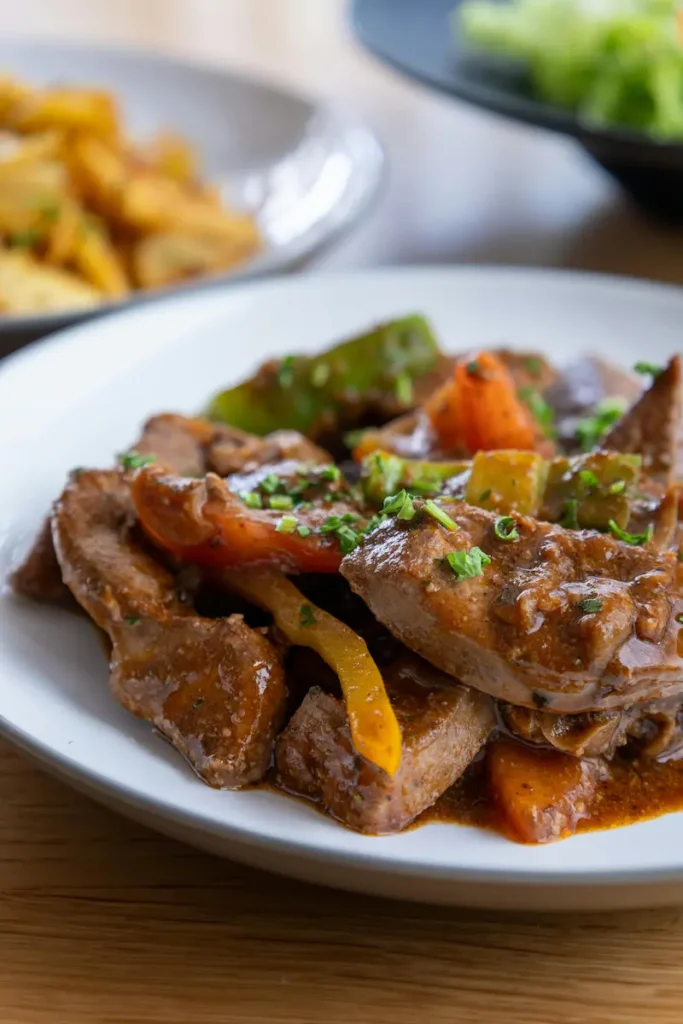
4. Lok Lak (Cambodian Beef Stir-Fry)
What It Is: Cubed beef marinated in oyster sauce, soy sauce, and black pepper, quickly stir-fried and served over lettuce, tomatoes, onions, and rice. Accompanied by a distinctive lime-pepper dipping sauce (often with fried egg on top).
Why It’s Popular: Lok lak offers familiar flavors accessible to Western palates while maintaining authentic Khmer character. The lime-pepper dipping sauce provides the signature Cambodian taste.
Where to Find It:
- Street-side restaurants (more common than pure street stalls)
- Market food courts
- Evening food vendors
- Riverside dining areas
How to Eat: Mix rice with vegetables, top with beef, and dip in the lime-pepper sauce. The combination of warm beef, cool lettuce, and tangy sauce creates perfect balance.
Price: $2.50-4
Insider Tip: Specify your preferred beef doneness. Many vendors cook beef well-done by default, but you can request medium if preferred.
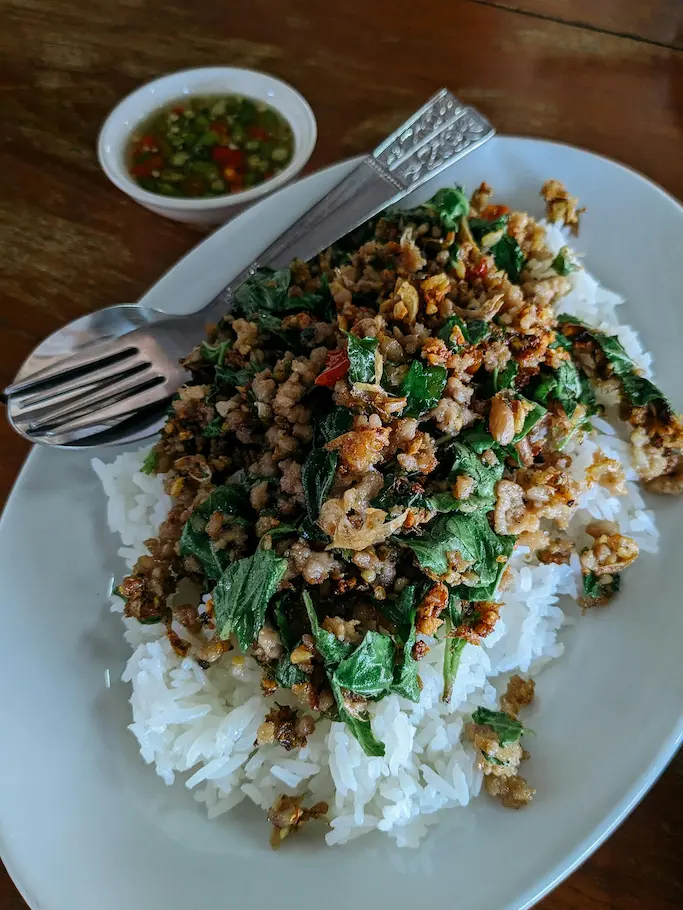
5. Bai Sach Chrouk (Pork and Rice)
What It Is: Marinated grilled pork served over rice with pickled vegetables and light broth. The pork marinates overnight in coconut milk, garlic, soy sauce, and palm sugar, creating caramelized, slightly sweet meat.
Why It’s Essential: Bai sach chrouk represents Cambodia’s most popular breakfast. Simple ingredients elevated through proper technique showcase Khmer cooking philosophy.
Where to Find It:
- Morning markets (6:00-9:00 AM)
- Vendors grilling pork on charcoal braziers
- Street corners near offices (breakfast rush)
- Riverside areas early morning
How to Eat: Pour broth over rice, add pickled vegetables, top with grilled pork. Eat while warm for maximum enjoyment.
Price: $1-2
Insider Tip: The best versions use charcoal grills creating slight smokiness. Look for vendors with lines of locals—a sure sign of quality.
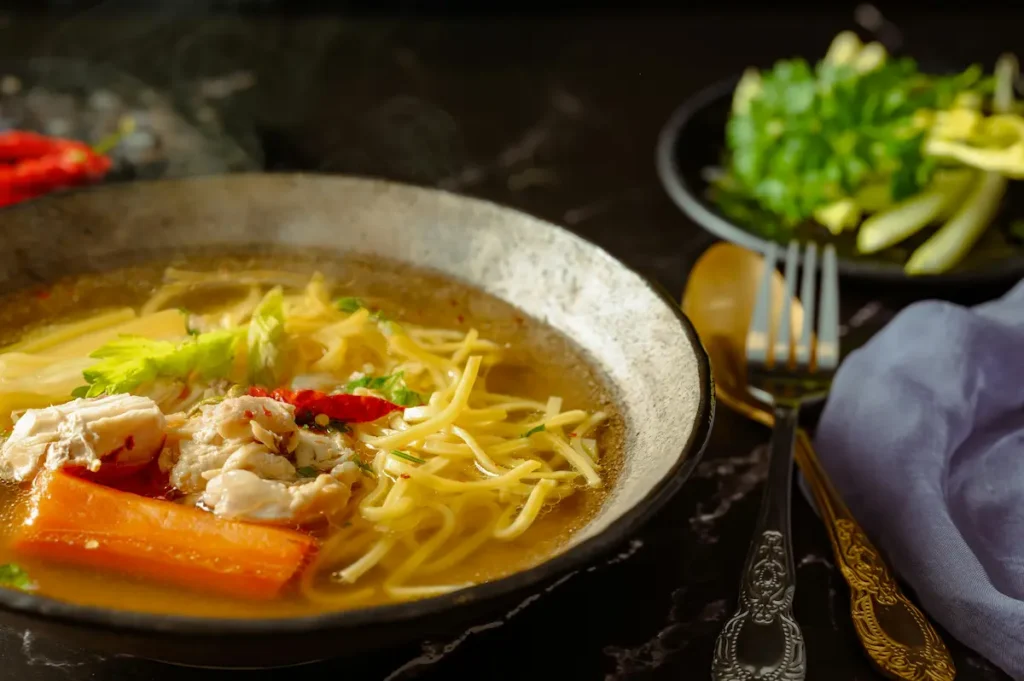
6. Kuy Teav (Cambodian Noodle Soup)
What It Is: Rice noodle soup with clear pork-and-dried-seafood broth, topped with pork, liver, intestines, quail eggs, fried shallots, and herbs. Similar to Vietnamese pho but with distinct Cambodian flavors.
Why It’s Comfort Food: Kuy teav represents Cambodian comfort food at its finest—warming, nourishing, and endlessly customizable. The complexity of the broth (simmered for hours) demonstrates the care vendors put into this humble dish.
Where to Find It:
- Morning markets (breakfast staple)
- Street vendors with steaming pots
- Throughout the day in Phnom Penh
- Specialized kuy teav shops
How to Eat: Add herbs, lime, chili, sugar, and fish sauce to taste. Slurping is acceptable and encouraged. Mix all elements before eating for best flavor integration.
Price: $1-2.50
Insider Tip: Order “kuy teav sach ko” for the full experience with all offal included, or “kuy teav sach chrouk” for just pork if you prefer. Try both styles to discover your preference.
👉 Also Read Travel to Phnom Penh Cambodia: Your Complete Guide
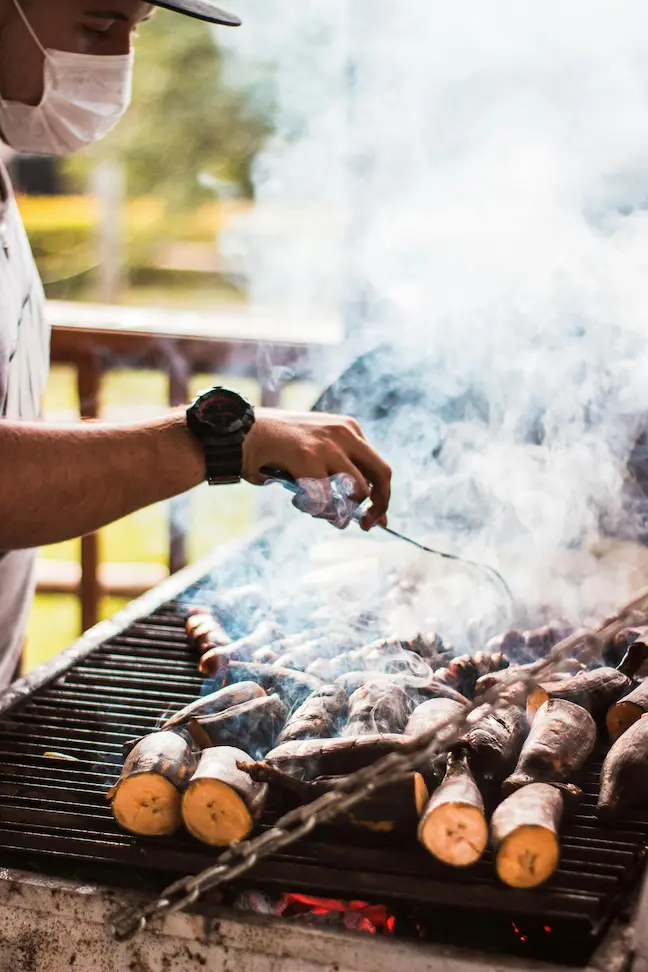
7. Num Plae Ai (Grilled Bananas)
What It Is: Small bananas grilled over charcoal until caramelized and sweet, often brushed with coconut cream and salt. A popular street snack throughout Cambodia.
Why It’s Addictive: The combination of sweet caramelized banana, smoky char, creamy coconut, and slight salt creates surprisingly complex flavors from simple ingredients.
Where to Find It:
- Evening markets
- Street vendors with charcoal grills
- Night markets in Siem Reap and Phnom Penh
- Beach areas
How to Eat: Eat warm directly from the grill. The banana skin peels away easily. Some vendors provide toothpicks for eating.
Price: $0.25-0.50 for 2-3 bananas
Insider Tip: Try different banana varieties—smaller bananas tend to be sweeter and caramelize better than large ones.
8. Prahok Ktis (Fermented Fish Dip)
What It Is: Ground pork cooked with prahok (fermented fish paste), coconut milk, and spices, creating a complex dip served with fresh vegetables. The dish transforms pungent prahok into an accessible, flavorful experience.
Why It’s Important: Prahok ktis introduces you to prahok in its most approachable form. Understanding this dish helps you appreciate Cambodian cuisine’s defining ingredient.
Where to Find It:
- Markets with prepared food sections
- Street-side restaurants
- Evening food vendors
- Less common in pure street stalls
How to Eat: Dip raw vegetables (cucumber, cabbage, green beans, eggplant) into the prahok ktis. The fresh vegetables balance the intense, savory dip.
Price: $2-3.50
Insider Tip: Start with small amounts—prahok’s intense flavor overwhelms unaccustomed palates. The fermented taste grows on you over time.
[Link to: Best Places to Travel in Cambodia 2025: 10 Hidden Gems]
9. Samlor Kako (Cambodian Stirring Soup)
What It Is: Thick soup made from roasted ground rice, prahok, vegetables, and herbs, typically including green papaya, pumpkin, and lotus root. The name means “stirring soup” because vendors constantly stir it during cooking.
Why It’s Authentic: Samlor kako represents rural Cambodian home cooking adapted for street food. The dish’s ancient origins and widespread popularity demonstrate its cultural importance.
Where to Find It:
- Morning markets
- Local neighborhood vendors
- Lunchtime food stalls
- Less common in tourist areas
How to Eat: Eat with rice, mixing the thick soup thoroughly. Add herbs and vegetables as desired. The soup should be eaten warm.
Price: $1-2
Insider Tip: This dish varies significantly by region and vendor. Try it multiple times to discover different interpretations.
10. Chha Khnhei (Stir-Fried Ginger)
What It Is: Meat (beef, chicken, or pork) stir-fried with ginger, soy sauce, oyster sauce, and vegetables. While similar to Chinese ginger stir-fries, Cambodian versions often include local herbs and slightly different seasoning.
Why It’s Satisfying: The warming ginger combined with savory sauces creates hearty, satisfying meals perfect after temple touring or during cooler evenings.
Where to Find It:
- Street-side restaurants
- Market food courts
- Evening food vendors
- Less common as pure street food
How to Eat: Serve over rice, mixing thoroughly to distribute ginger and sauce. Eat while hot for maximum flavor.
Price: $2.50-4
Insider Tip: Request extra ginger (“bey khnhei ch’raen”) if you love ginger’s spicy warmth.
11. Nom Krok (Coconut Rice Cakes)
What It Is: Small rice flour and coconut milk cakes cooked in special cast-iron pans with indentations, creating crispy exteriors and soft, custardy centers. Sometimes topped with spring onions or corn.
Why It’s Delightful: The textural contrast—crispy outside, creamy inside—makes nom krok irresistible. Sweet and savory versions both deserve attention.
Where to Find It:
- Afternoon snack vendors (3:00-6:00 PM)
- Evening markets
- Near temples and tourist sites
- Mobile vendors with specialized pans
How to Eat: Eat warm, ideally within minutes of cooking. The cakes lose their textural magic as they cool.
Price: $0.50-1 for 6-8 pieces
Insider Tip: Watch vendors make them—the process is fascinating. The best versions achieve perfect golden-brown crusts without burning.
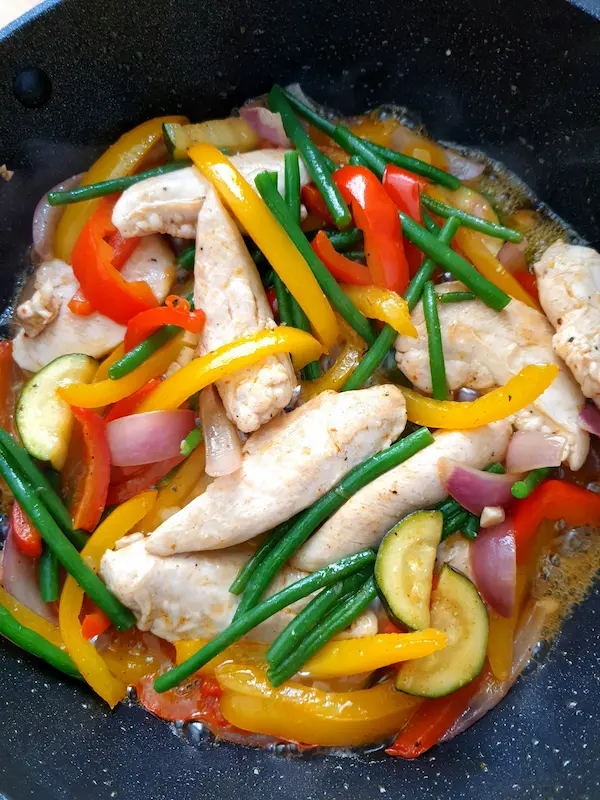
12. Chha Trop Dot (Stir-Fried Green Beans)
What It Is: Green beans stir-fried with garlic, oyster sauce, and sometimes pork or beef. Simple but perfectly executed, this side dish appears at nearly every Cambodian meal.
Why It Matters: This humble vegetable dish demonstrates Cambodian cooking’s ability to transform simple ingredients through proper technique and seasoning.
Where to Find It:
- Virtually every street-side restaurant
- Market food stalls
- Served alongside most rice-based meals
How to Eat: Eat as a side dish with rice and other mains. The beans should retain some crunch.
Price: $1.50-2.50
Insider Tip: While seemingly simple, well-made chha trop dot requires perfect wok heat and timing. Quality versions maintain vegetable texture and vibrant color.
13. Cha Houy Teuk (Jelly Dessert Drink)
What It Is: Sweet drink featuring grass jelly cubes, tapioca pearls, and crushed ice in coconut milk or sugar water. Refreshing and slightly unusual for Western palates.
Why It’s Refreshing: Cambodia’s heat makes cold desserts essential. Cha houy teuk provides cooling relief with interesting textures and moderate sweetness.
Where to Find It:
- Afternoon and evening dessert vendors
- Markets
- Street corners with colored sugar water displays
- Mobile vendors pushing carts
How to Eat: Drink the liquid and use a spoon for jelly and tapioca. Mix thoroughly before consuming.
Price: $0.50-1
Insider Tip: Try different jelly types—grass jelly, agar jelly, and coconut jelly all offer distinct flavors and textures.
14. Sngor Chrouk (Pork Skewers)
What It Is: Marinated pork (or chicken, beef) grilled on bamboo skewers over charcoal, served with peanut sauce or fish sauce-based dipping sauce.
Why It’s Popular: These satisfying meat skewers work as snacks, appetizers, or light meals. The smoky char from charcoal grilling adds essential flavor.
Where to Find It:
- Evening food vendors (after 5:00 PM)
- Night markets
- Beer gardens and drinking establishments
- Street corners near residential areas
How to Eat: Dip in provided sauce and eat directly from skewer. Order several as they’re small and addictive.
Price: $0.25-0.50 per skewer
Insider Tip: Order “kor grill” (various grilled meats) to try multiple types. Evening vendors often offer the freshest selection.
👉 Also Read Vietnam vs Cambodia: Which Should You Visit First?
15. Red Tree Ants with Beef (Chha Bangkang)
What It Is: Stir-fried beef with red tree ants, ginger, lemongrass, and basil. The ants add a citrusy, slightly sour flavor and crunchy texture. An adventurous dish showcasing Cambodian willingness to eat insects.
Why It’s Adventurous: For travelers wanting authentic, challenging experiences, this dish delivers. The ants’ unique flavor profile surprises most first-timers positively.
Where to Find It:
- Specialized vendors (less common)
- Some market food stalls
- Countryside areas more than cities
- Seasonal availability (rainy season)
How to Eat: Mix thoroughly and eat with rice. The ants blend with other ingredients rather than dominating.
Price: $3-5
Insider Tip: Try this after you’ve developed appreciation for Cambodian flavors. Starting with insects can overwhelm newcomers.
16. Num Ansorm Chek (Sticky Rice Cakes)
What It Is: Glutinous rice mixed with mung beans, wrapped in banana leaves, and steamed. Sometimes includes pork or coconut. These dense, filling cakes are traditional festival foods now available year-round.
Why It’s Traditional: Num ansorm chek connects modern street food to ancient Khmer traditions, especially associated with Pchum Ben festival.
Where to Find It:
- Market vendors
- Street-side vendors with banana leaf-wrapped items
- Especially common during festivals
How to Eat: Unwrap banana leaves and eat warm or room temperature. The sticky rice is very filling.
Price: $0.50-1
Insider Tip: Try different regional variations. Coastal versions often include coconut, while inland versions emphasize beans.
17. Tuk A Koh (Grilled Quail Eggs)
What It Is: Tiny quail eggs grilled on special perforated pans, sold on skewers. Simple but addictive street snack.
Why It’s Fun: These tiny eggs make perfect walking-around snacks. The mild flavor and cute size appeal to all ages.
Where to Find It:
- Evening snack vendors
- Near schools and universities
- Night markets
- Mobile vendors
How to Eat: Eat directly from skewers, often dipped in salt-pepper-lime mixture.
Price: $0.50-1 for 10-15 eggs
Insider Tip: Order “tuk a koh ping” specifically for grilled version. Some vendors also offer boiled quail eggs.
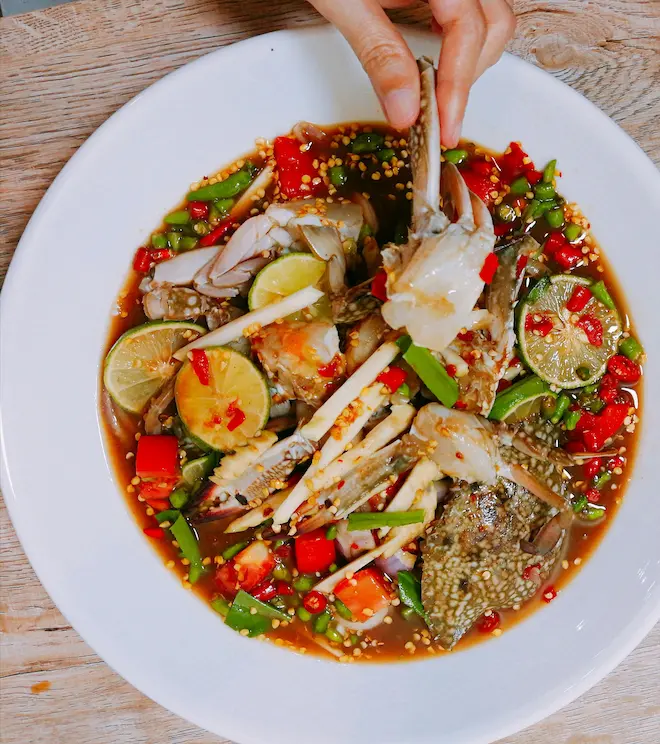
18. Cha K’dam (Crab with Green Pepper)
What It Is: Fresh crab stir-fried with Kampot green peppercorns, garlic, and butter or oil. This dish showcases Cambodia’s world-famous Kampot pepper.
Why It’s Special: Kampot pepper is internationally renowned, and this dish highlights its unique floral, slightly spicy flavor. Best experienced in Kep or Kampot.
Where to Find It:
- Kep crab market (definitive location)
- Kampot riverside restaurants
- Coastal areas
- Some Phnom Penh seafood vendors
How to Eat: Use hands to crack crab and extract meat. Suck the peppercorn-infused juices from shells. Messy but delicious.
Price: $8-15 (more expensive than most street food due to crab cost)
Insider Tip: Go to Kep crab market for the freshest versions. Morning catches offer best quality and value.

19. Iced Coffee with Condensed Milk (Kafei Tuek Kok)
What It Is: Strong Cambodian coffee dripped through cloth filters, mixed with sweetened condensed milk and served over ice. Similar to Vietnamese coffee but with subtle local differences.
Why It’s Essential: Cambodia’s heat makes iced coffee essential survival strategy. The sweet, strong brew provides energy for temple touring.
Where to Find It:
- Coffee stalls everywhere
- Morning markets
- Street-side vendors with drip coffee setups
- Virtually every restaurant
How to Drink: Stir thoroughly before drinking—condensed milk settles at bottom. Sip slowly; it’s very sweet and caffeinated.
Price: $0.75-1.50
Insider Tip: Try “kafei leng” (no condensed milk) if you prefer less sweet coffee. Specify “kafei keh” (hot coffee) if you don’t want ice.
20. Nom Kong (Palm Sugar Rice Cakes)
What It Is: Sticky rice cakes filled with palm sugar and grated coconut, wrapped in banana leaves. A traditional sweet snack with rich, caramel-like flavor.
Why It’s Sweet: These cakes represent Cambodian desserts at their finest—not overly sweet by Western standards but satisfying and complex with palm sugar’s natural caramel notes.
Where to Find It:
- Morning markets
- Vendors with banana leaf-wrapped items
- Less common in tourist areas
How to Eat: Unwrap leaves and eat as snack or dessert. Best when fresh and still warm.
Price: $0.25-0.50 per cake
Insider Tip: Palm sugar cakes don’t keep well. Buy and eat same day for best flavor and texture.
Where to Find the Best Cambodia Street Food
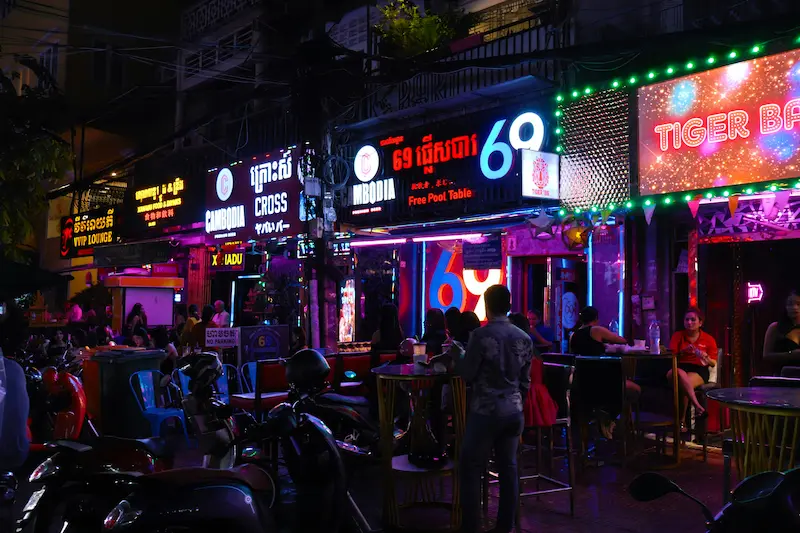
Phnom Penh
Central Market (Psar Thmey): Iconic Art Deco building housing countless food vendors. Best for breakfast (nom banh chok, bai sach chrouk) and lunch.
Russian Market (Toul Tom Poung): Excellent food section with authentic, affordable dishes. Less touristy than Central Market.
Street 13 and Street 51: Evening street food scenes with grilled meats, noodles, and snacks.
Riverside (Sisowath Quay): Evening food vendors along the river. More touristy but convenient.
Siem Reap
Old Market (Psar Chas): Central location with morning food vendors selling traditional breakfast dishes.
Night Market Area: Tourist-friendly street food with slightly higher prices but good variety.
Pub Street vicinity: Evening food vendors selling snacks, grilled items, and desserts.
Battambang
Psar Nat Market: Local market with authentic street food at local prices. Minimal English but excellent food.
Riverside Evening Vendors: Sunset food vendors selling grilled items, fresh fruit shakes, and local specialties.
Kampot and Kep
Kampot Night Market: Riverside evening market with seafood, grilled items, and local specialties.
Kep Crab Market: Essential destination for crab with Kampot pepper. Morning for freshest catches.
👉 Also Read Best Places to Travel in Cambodia: 10 Hidden Gems You’ll Love
Safety Tips for Eating Street Food in Cambodia
Choosing Safe Vendors
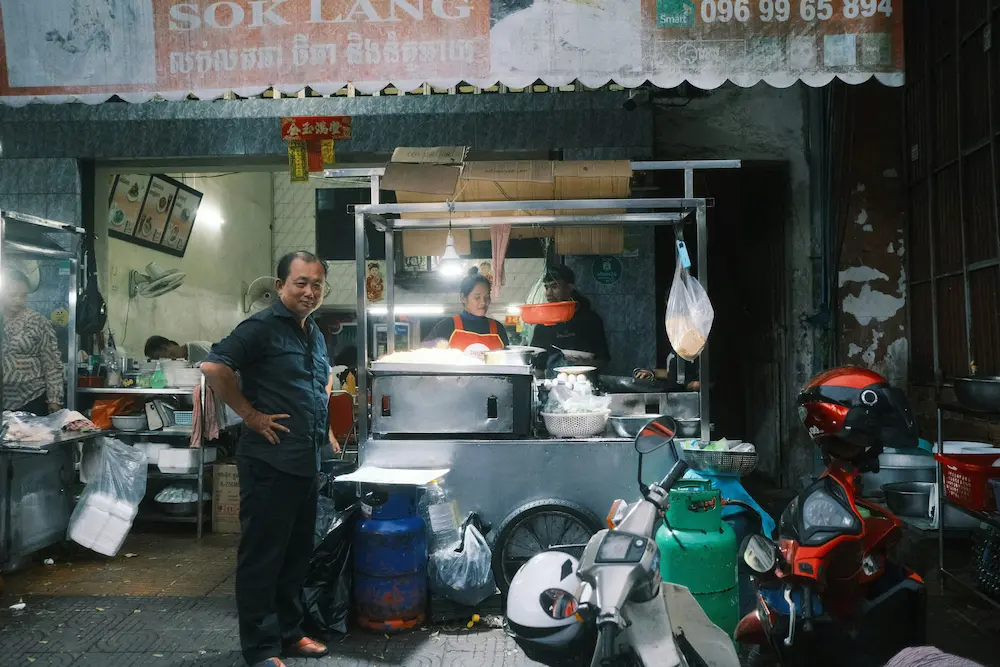
High Turnover Equals Freshness: Busy vendors with constant customers indicate popular, fresh food. Empty stalls during meal times raise concerns.
Observe Cleanliness: While street food won’t meet Western health codes, look for vendors maintaining reasonable cleanliness, washing dishes regularly, and handling food carefully.
Cooked Food Is Safer: Hot, freshly cooked food is safest. Avoid items sitting at room temperature for extended periods.
Local Customers Signal Quality: Vendors serving primarily Cambodians rather than tourists typically maintain higher standards for demanding local palates.
Water and Ice Considerations
Bottled Water Only: Never drink tap water. Brush teeth with bottled water. Most vendors provide bottled water.
Ice Caution: Ice in cities often comes from purified water factories (cylindrical ice with holes indicates this). Rural areas might use tap water ice—when in doubt, decline ice.
Starting Conservatively
Build Up Gradually: Start with familiar items (grilled meats, rice dishes) before trying fermented foods or challenging ingredients. Let your stomach adjust to new bacteria.
Monitor Your Body: Some digestive adjustment is normal. Serious symptoms (severe diarrhea, vomiting, fever) require medical attention.
Common-Sense Precautions
- Wash hands before eating or use hand sanitizer
- Carry anti-diarrheal medication just in case
- Stay hydrated—dehydration worsens stomach issues
- Avoid touching your face while eating
- Take probiotics before and during your trip
Practical Information for Street Food Adventures
Typical Costs
The best Cambodia street food remains remarkably affordable:
- Breakfast dishes (nom banh chok, bai sach chrouk): $1-2
- Lunch dishes (amok, lok lak): $2-4
- Snacks (num pang, grilled items): $0.50-1.50
- Drinks (coffee, iced drinks): $0.75-1.50
- Desserts: $0.25-1
Budget $10-15 daily for three meals of street food plus snacks and drinks.
Best Eating Times
Breakfast (6:00-9:00 AM): Nom banh chok, kuy teav, bai sach chrouk, num pang
Lunch (11:00 AM-2:00 PM): Amok, lok lak, samlor kako
Afternoon Snack (3:00-5:00 PM): Num pang, nom krok, iced coffee
Dinner (6:00-9:00 PM): Most lunch dishes plus grilled items, evening specialties
Ordering Tips
Point and Gesture: Most vendors have limited English. Pointing at what you want and holding up fingers for quantity works universally.
Key Phrases:
- “Tlay ponman?” = How much?
- “Muoy” = One
- “Pee” = Two
- “Min ot” = Not spicy
- “Ch’ngan!” = Delicious!
Payment Etiquette: Pay after eating. Have small bills—vendors often lack change for large denominations.
Frequently Asked Questions About Cambodia Street Food
Is street food safe to eat in Cambodia?
Yes, Cambodia street food is generally safe when you choose busy vendors with high turnover, eat freshly cooked hot food, and follow basic precautions. Millions of Cambodians eat street food daily without issues. Start conservatively, let your stomach adjust to new bacteria, stay hydrated, and trust your instincts about cleanliness. Most travelers eat street food throughout their trips without problems.
How much should I budget for street food in Cambodia?
Budget $10-15 per day for three street food meals plus snacks and drinks. Individual dishes cost $0.50-4 for most items. A typical day might include: breakfast nom banh chok ($1.50), coffee ($1), lunch amok ($3), afternoon num pang ($1), dinner lok lak with rice ($3.50), evening snacks ($2) = approximately $12 total.
What’s the best street food to try first in Cambodia?
Start with num pang (baguette sandwich) or bai sach chrouk (pork and rice)—both are accessible to Western palates while authentically Cambodian. Once comfortable, progress to nom banh chok (breakfast noodles) and fish amok. Save fermented dishes (prahok ktis) and insects (ant beef) for after you’ve developed appreciation for Cambodian flavors.
Can vegetarians find good street food in Cambodia?
Yes, though it requires more effort. Cambodian cuisine traditionally includes fish sauce and prahok in many dishes. Vegetarian options: fresh fruit, grilled corn, num ansorm chek (sticky rice cakes), some noodle soups without meat, and various desserts. Learn to say “ot sach, ot trei” (no meat, no fish) and specify “min yok trei-uk” (no fish sauce). Markets often have fruit and vegetable vendors.
Where can I find the best fish amok?
The best fish amok typically comes from morning market vendors in Phnom Penh (Central Market, Russian Market), Siem Reap (Old Market), and Battambang markets. Look for vendors steaming amok in banana leaf cups. Restaurant versions are also excellent but more expensive. Morning preparation ensures freshest fish and optimal texture.
Is prahok really as smelly as people say?
Yes, prahok (fermented fish paste) has an extremely pungent aroma that many compare to aged cheese or durian. However, when cooked into dishes like prahok ktis, the smell mellows and the flavor becomes complex umami rather than offensive. Try it in prepared dishes rather than raw. The taste often appeals more than the smell suggests.
What time do street food vendors operate?
Operating hours vary by dish and vendor type. Breakfast vendors (nom banh chok, bai sach chrouk) operate 6:00-9:00 AM. Lunch vendors work 11:00 AM-2:00 PM. Evening snack and dinner vendors emerge 5:00-10:00 PM. Some markets have all-day food sections. Night markets typically operate 6:00 PM-midnight.
How do I know if street food is fresh?
Look for these freshness indicators: busy vendors with constant turnover, food cooked to order rather than sitting out, vendors shopping at markets multiple times daily, steaming hot food, clear oils for frying, fresh herbs that aren’t wilted, and meat without off smells. Morning vendors typically have the freshest ingredients just purchased from markets. Avoid vendors where food has been sitting at room temperature for hours.
Conclusion: Embrace Cambodia’s Street Food Culture
Discovering the best Cambodia street food offers far more than simply eating delicious, affordable meals—it provides authentic cultural immersion impossible to achieve through guidebook temples and tourist attractions alone. Every bowl of nom banh chok tells stories of ancient recipes passed through generations. Each num pang represents the creative fusion of colonial history with local ingredients. Every bite of prahok ktis demonstrates Cambodian culinary courage and the sophisticated use of fermented flavors.
The beauty of Cambodia street food lies not just in complex flavors but in the entire experience. Sitting on tiny plastic stools alongside locals, watching skilled vendors perform culinary rituals perfected over lifetimes, sharing smiles despite language barriers, and participating in the daily rhythm of Cambodian life creates memories that outlast the meals themselves.
Don’t let fear of the unfamiliar prevent you from experiencing the best Cambodia street food. Yes, prahok smells challenging. Yes, fermented flavors take adjustment. Yes, you’ll sit on uncomfortable stools in hot, humid conditions. But these minor discomforts pale compared to rewards: authentic flavors impossible to replicate elsewhere, incredible value allowing you to eat like royalty on minimal budgets, and genuine cultural experiences that transform your understanding of Cambodia.
Start conservatively if nervous—num pang and grilled meats provide safe entry points. Build confidence and adventurousness as your palate adjusts. Before long, you’ll eagerly seek out the most local spots, pointing confidently at dishes you can’t pronounce, and maybe even developing opinions about which vendor makes the best fish amok.
Remember that making mistakes is part of the adventure. Order something too spicy? Laugh it off and ask for more rice. Can’t figure out how to eat a particular dish? Observe locals and follow their example. Get lost looking for a recommended vendor? You’ll likely discover three other amazing places along the way. The vendors, despite language barriers, genuinely want you to enjoy their food and will help however they can.
The best Cambodia street food isn’t just about the food—it’s about connection, discovery, and openness to experiences outside your comfort zone. It’s about trusting that a woman cooking noodles from a sidewalk cart knows exactly what she’s doing (she does—probably better than most restaurant chefs). It’s about believing that the best meals don’t require white tablecloths or fancy presentations (they don’t). It’s about understanding that authentic culture exists not in museums or tourist shows but in daily rituals of eating, working, and living.
So venture out with curiosity and an open mind. Follow your nose to sizzling grills and steaming pots. Sit down wherever locals are eating. Point at what looks good. Smile. Say “Ch’ngan!” (delicious) to the vendor. Take photos. Make mistakes. Laugh at yourself. Try everything at least once. And most importantly, savor every single bite of the incredible culinary adventure that awaits you on Cambodia’s bustling streets.
Start Your Cambodia Street Food Adventure Today
Ready to experience the best Cambodia street food firsthand? Take these action steps to prepare for your culinary journey:
- Save this guide: Bookmark or download for reference during your trip
- Learn key phrases: Practice “Tlay ponman?” (how much), “Ch’ngan!” (delicious), “Min ot” (not spicy)
- Pack appropriately: Bring hand sanitizer, wet wipes, anti-diarrheal medication, and a reusable water bottle
- Start your wish list: Identify which of these 20 dishes most excite you
- Research markets: Locate major markets in cities you’ll visit (Central Market in Phnom Penh, Old Market in Siem Reap)
- Download translation apps: Google Translate with offline Khmer helps with complex communication
- Prepare your stomach: Consider taking probiotics before and during your trip
- Plan strategically: Schedule temple touring around street food breakfast and lunch times
- Bring cash: Have small riel notes for easy payment (1,000, 2,000, 5,000 denominations)
- Stay open-minded: Embrace the adventure, accept minor discomforts, and trust the process
Don’t wait to experience the culinary adventure of a lifetime. The best Cambodia street food is waiting to delight your taste buds, challenge your assumptions, and create unforgettable memories!
Plan Your Perfect Cambodia Adventure
📧 Have questions about planning your Cambodia trip? Drop a comment below or Contact us for personalized budget travel advice
🗺️ Check Out Our Vietnam guides:
- Best Time to Travel to Vietnam and Cambodia – Optimize your timing for both countries
- Vietnam Travel Cost Guide – Budget planning for neighboring Vietnam
💡 Pro tip: Bookmark this page and share it with fellow travelers planning their Cambodia adventure!
✈️ Ready to book? Check current flight deals to Cambodia and top-rated hostels.
Have you tried the best Cambodia street food? Which dishes were your favorites? Share your experiences, hidden vendor discoveries, and eating recommendations in the comments below to help fellow food lovers plan their perfect Cambodian culinary adventure!
Last Update: January 20, 2026