
If you’re planning a trip and wondering “South East Asia travel”, you’re in the right place. Southeast Asia is one of the most exciting, affordable, and culturally diverse regions in the world. From Thailand’s beaches to Vietnam’s street food, Cambodia’s temples to Bali’s jungles — every country has something unique to offer.

This complete guide breaks down where to travel in Southeast Asia month-by-month, with practical tips, travel packages, and insider recommendations to make your Southeast Asia travel smooth, fun, and budget-friendly.
✈️ Why Travel to South East Asia?
Before diving into the monthly breakdown, here’s why travelling South East Asia is one of the smartest choices for 2025 and beyond:
- Budget-friendly: Delicious food, affordable hotels, and cheap transport.
- Easy to explore: Well-connected by low-cost airlines like AirAsia, VietJet, and Scoot.
- Rich culture: A mix of Buddhist temples, colonial architecture, and tribal traditions.
- Warm weather year-round: Perfect for sun-seekers and digital nomads alike.
- Flexible itineraries: Easy to combine multiple countries into one trip.
📅 Month-by-Month: Where to Travel in South East Asia
Each month in Southeast Asia has its own charm — dry seasons, cultural festivals, and beach-perfect weather vary by region. Here’s your month-by-month travel guide.
🌞 January — Thailand & Vietnam
Best for: Cool weather, festivals, and sightseeing.
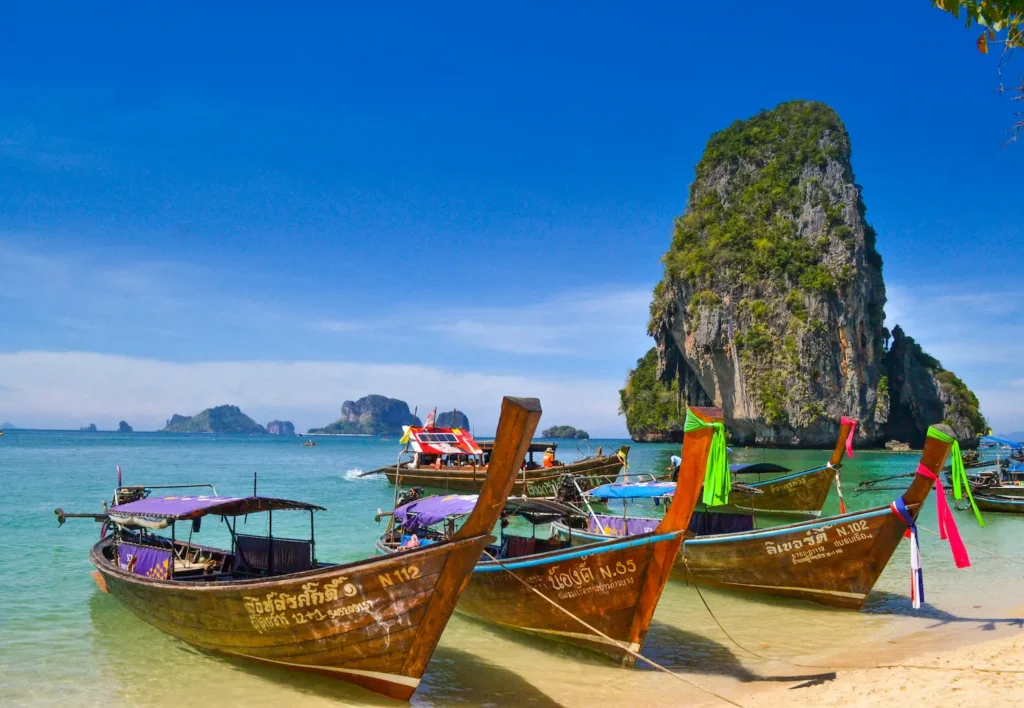
- Thailand: Visit Chiang Mai’s temples, Bangkok’s street markets, and the islands of Phuket or Koh Lanta.
- Vietnam: Explore Hanoi and Ha Long Bay, or take a cruise along the Mekong Delta.
💡 Tip: Lunar New Year (Tet) often falls in late January or February — book accommodations early.
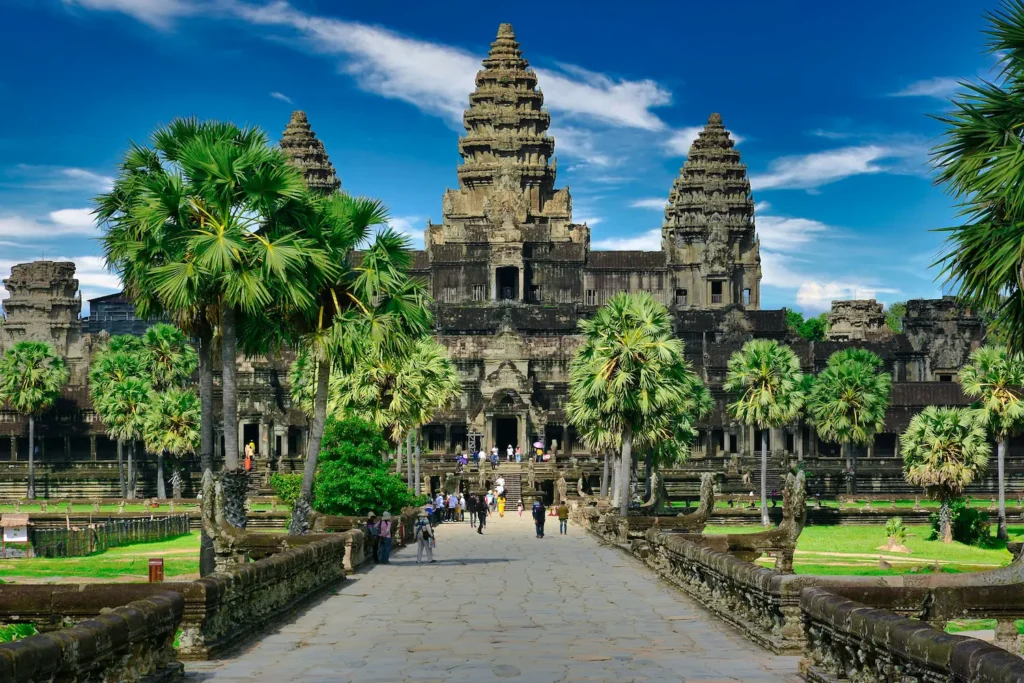
🌸 February — Cambodia & Laos
Best for: Cultural immersion and fewer crowds.
- Cambodia: Angkor Wat sunrise is breathtaking this month. Visit Siem Reap and Phnom Penh.
- Laos: Enjoy Luang Prabang’s laid-back vibe and the Kuang Si waterfalls.
💡 Tip: Combine Cambodia and Laos in one Southeast Asia travel package — easy border crossings by land.

🌴 March — Malaysia & Singapore
Best for: Foodies and city explorers.
- Malaysia: Kuala Lumpur’s street eats, Penang’s murals, and Langkawi’s beaches.
- Singapore: Gardens by the Bay, Marina Bay Sands, and Sentosa Island.
💡 Practical Advice: Avoid peak heat hours; carry a reusable water bottle.

☀️ April — Thailand (Songkran Festival) & Myanmar
Best for: Water fights and cultural festivals.
- Thailand: Songkran, the Thai New Year, turns the entire country into a water playground (April 13–15).
- Myanmar: Visit Bagan’s ancient pagodas and Inle Lake before the summer heat.
💡 Tip: Waterproof your phone — it will get soaked during Songkran!
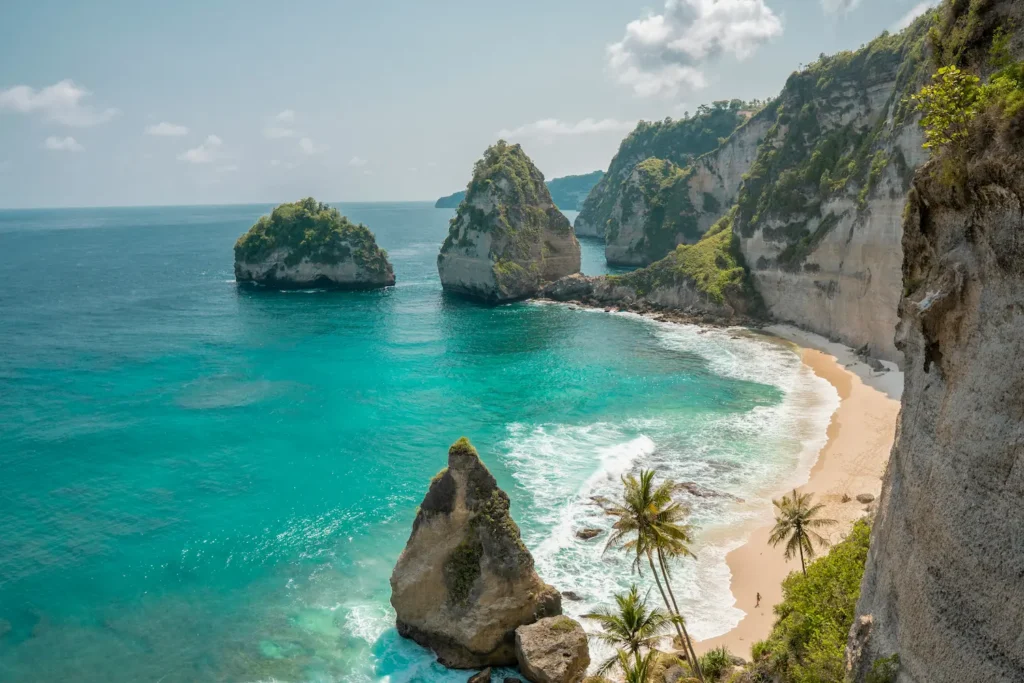
🌿 May — Indonesia (Bali) & Philippines
Best for: Dry season and beach adventures.
- Bali: Perfect weather for surfing in Canggu or exploring Ubud’s rice terraces.
- Philippines: Palawan, Cebu, and Siargao are postcard-perfect in May.
💡 Travel Hack: Look for South East Asia travel packages that combine Bali + Palawan for tropical diversity.
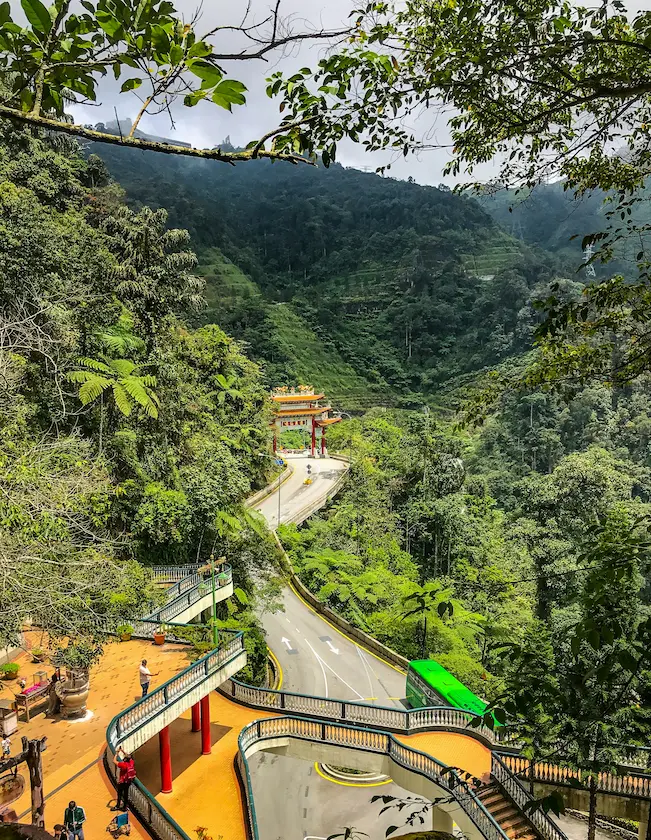
🌦️ June — Vietnam (North) & Malaysia (Highlands)
Best for: Cooler mountain escapes.
- Vietnam: Sapa and Ha Giang Loop offer lush green landscapes.
- Malaysia: Cameron Highlands is cool, misty, and perfect for tea lovers.
💡 Tip: Expect some afternoon rain — bring a light rain jacket.
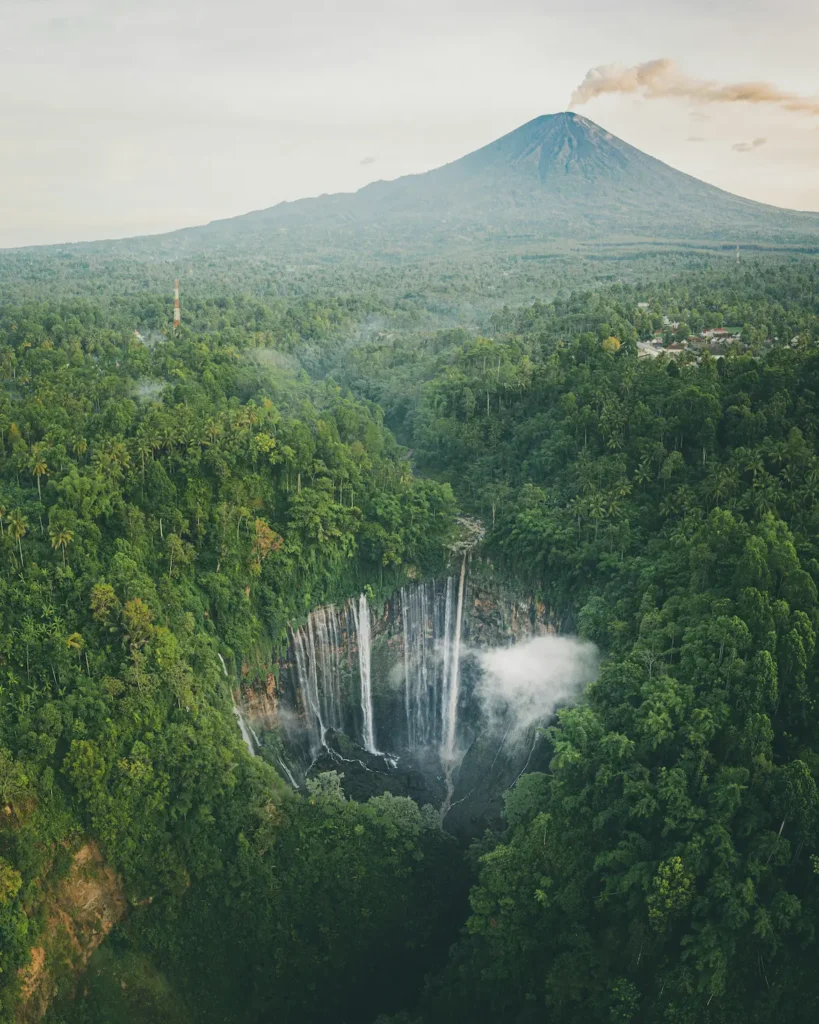
🌅 July — Indonesia (Java, Lombok)
Best for: Dry, sunny days and cultural festivals.
- Java: Visit Borobudur, Mount Bromo, and Yogyakarta’s batik markets.
- Lombok: Quieter alternative to Bali, great for snorkeling and hiking Mount Rinjani.
💡 Tip: Combine Java + Bali via short ferry for a perfect travelling South East Asia route.
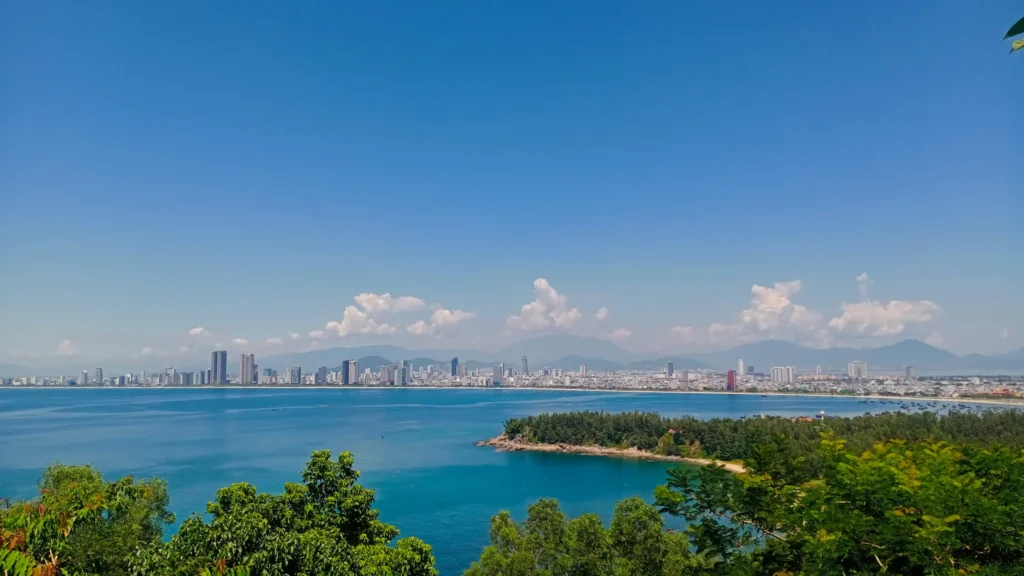
🌻 August — Vietnam (Central) & Cambodia
Best for: Beach and culture combo.
- Vietnam: Hoi An and Da Nang are at their best.
- Cambodia: Fewer crowds at Angkor Wat — ideal photography month.
💡 Tip: Carry USD — easily exchanged everywhere.
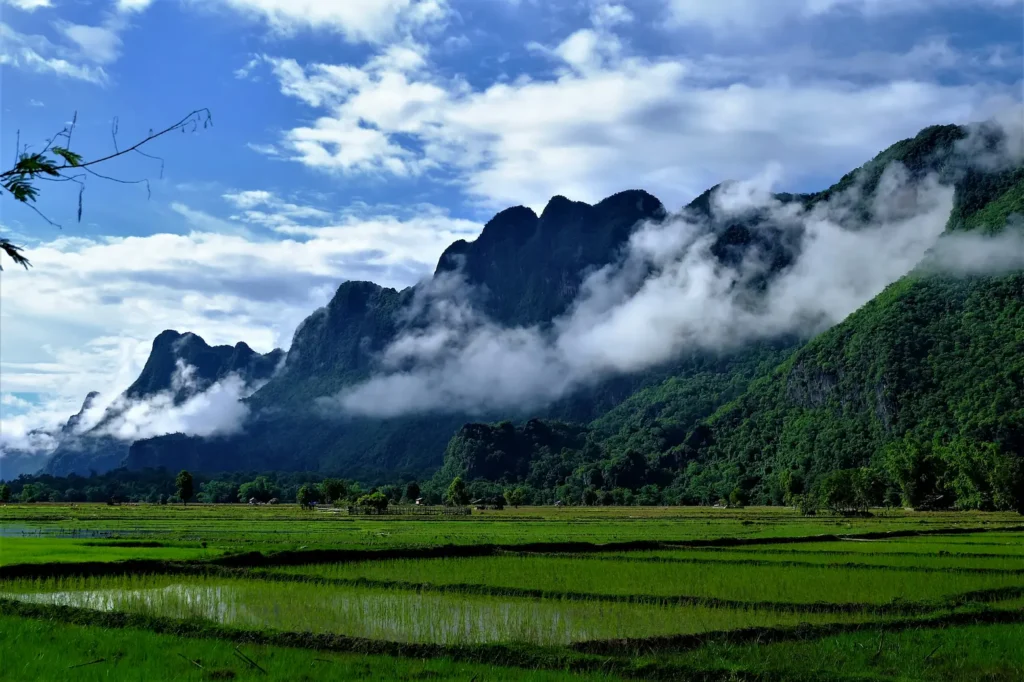
🍃 September — Northern Thailand & Laos
Best for: Green season beauty and fewer tourists.
- Thailand: Pai and Chiang Rai turn emerald after monsoon rains.
- Laos: Cruise the Mekong or explore the Bolaven Plateau.
💡 Travel Tip: Rain showers are brief — mornings are often clear.
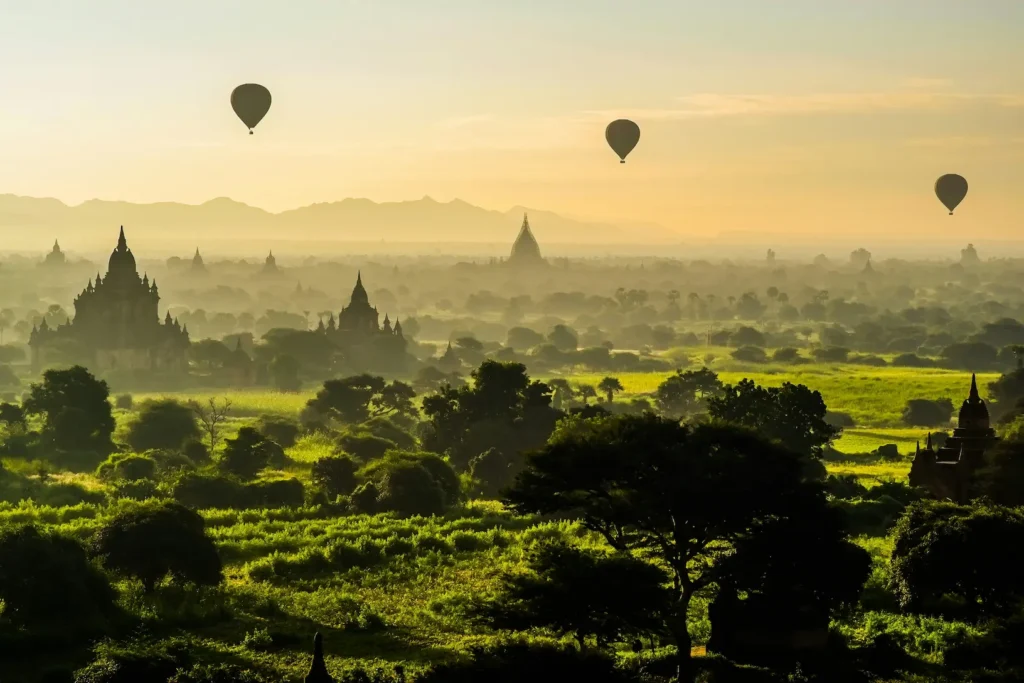
🌸 October — Myanmar & Vietnam (South)
Best for: Post-monsoon freshness.
- Myanmar: Bagan’s ballooning season begins.
- Vietnam: Ho Chi Minh City and the Mekong Delta are sunny again.
💡 Tip: Ideal time for South East Asia travel packages combining culture + scenery.

🌤️ November — Cambodia & Thailand (Islands)
Best for: Beach weather and perfect skies.
- Cambodia: Tonle Sap Lake water levels are high — great for floating villages.
- Thailand: Koh Samui, Krabi, and Koh Tao have postcard beaches now.
💡 Tip: Great month for honeymooners and photographers.

🎆 December — Singapore, Malaysia, & Bali
Best for: Holiday vibes, Christmas lights, and end-of-year festivals.
- Singapore: Orchard Road lights up for Christmas.
- Malaysia: Kuala Lumpur and Penang celebrate multicultural festivals.
- Bali: Perfect beach weather before the New Year rush.
💡 Tip: Book flights early; this is peak travel season.
💼 Best South East Asia Travel Packages in 2025
Looking for ready-made options? Here are popular Southeast Asia travel packages by type:
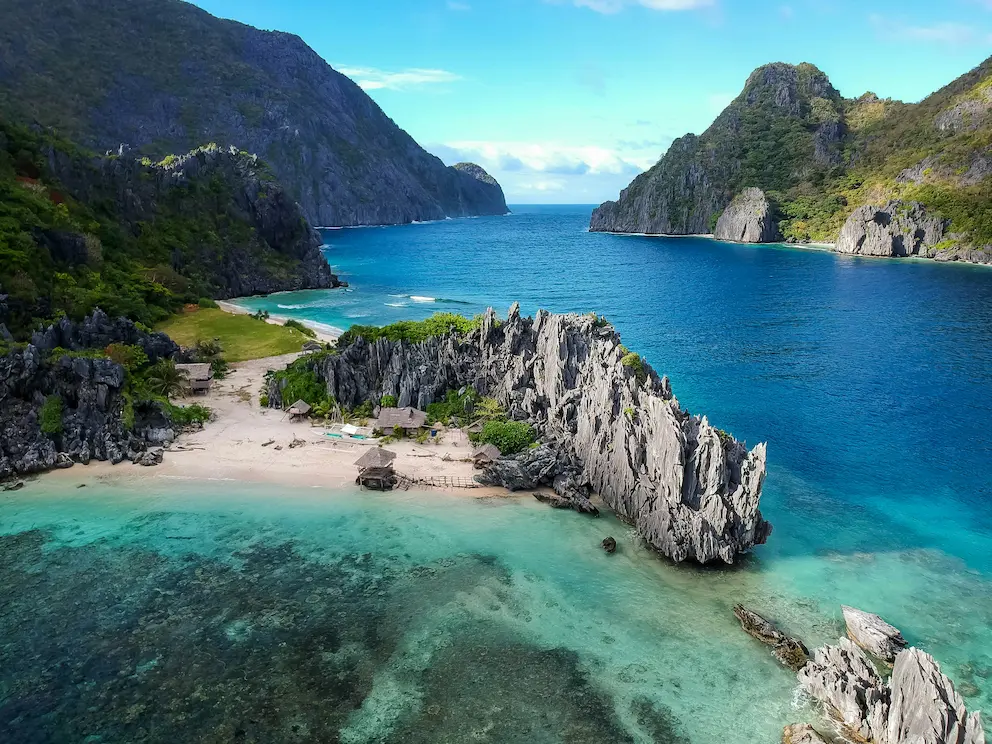
🏖️ Beach Lovers (2–3 Weeks)
- Bali (Indonesia)
- Phuket (Thailand)
- Palawan (Philippines)
(Perfect for couples & honeymooners)
🕌 Culture & Heritage (2 Weeks)
- Angkor Wat (Cambodia)
- Luang Prabang (Laos)
- Hanoi & Hue (Vietnam)
🌿 Adventure Seekers (3–4 Weeks)
- Trekking in Sapa or Chiang Mai
- Diving in Komodo or Cebu
- Scooter trip across Ha Giang Loop
💡 Tip: Combine 2–3 countries using budget airlines like AirAsia — saves both time and money.
💰 Budget Tips for Travelling South East Asia
- Daily budget: $30–$50 per person (mid-range)
- SIM cards: Get local eSIMs (Airalo or Nomad).
- Transport: Use Grab or Gojek for local rides.
- Visa: Most countries offer 15–30 days on arrival.
- Safety: Petty theft is rare but keep valuables secure.
🌧️ When Not to Travel
Avoid heavy monsoon months (June–September) for southern Thailand and central Vietnam unless you love rain. Northern parts like Hanoi or Chiang Mai are still great in these months.
🧭 Sample 2-Week Itinerary for South East Asia
Week 1:
- Bangkok → Chiang Mai → Luang Prabang
Week 2:
- Hanoi → Ha Long Bay → Hoi An
💡 Alternative: Replace week 2 with Bali or Kuala Lumpur for more variety.
🌐 Travelling South East Asia Responsibly
Be mindful of your footprint:
- Support local businesses.
- Carry reusable water bottles.
- Respect temples and dress modestly.
- Avoid single-use plastics.
Frequently Asked Questions
How long should I spend travelling South East Asia?
The ideal duration for South East Asia travel depends on your goals and budget. Minimum 2-3 weeks allows you to explore 2-3 countries superficially (Thailand and Cambodia, or Vietnam, for example). 4-6 weeks provides comfortable exploration of 3-4 countries with depth. 8-12 weeks lets you see most of Southeast Asia comprehensively. Many backpackers spend 3-6 months exploring the entire region thoroughly. For first-timers, 3-4 weeks hitting highlights works well, while digital nomads and gap year travelers often stay 6+ months.
What’s the best route for first-time South East Asia travel?
The classic “Banana Pancake Trail” works well for beginners: Bangkok (Thailand) → Chiang Mai (Thailand) → Luang Prabang (Laos) → Hanoi (Vietnam) → Ha Long Bay (Vietnam) → Hoi An (Vietnam) → Ho Chi Minh City (Vietnam) → Phnom Penh (Cambodia) → Siem Reap (Cambodia) → Bangkok or islands. This route flows naturally north-to-south or reverse, with easy transportation connections, established tourist infrastructure, and diverse experiences. Alternative: Focus deeply on 2-3 countries rather than rushing through many.
How much does South East Asia travel cost per day?
Budget backpackers spend $25-40 daily (hostels, street food, local transport, free activities). Mid-range travelers budget $60-100 daily (comfortable hotels, restaurant meals, tours, activities). Luxury travelers spend $150-300+ daily (upscale accommodations, fine dining, private tours, premium experiences). Costs vary by country: Myanmar, Laos, and Cambodia are cheapest; Singapore and Brunei are expensive; Thailand, Vietnam, and Philippines fall mid-range. Monthly costs: $750-1,200 (budget), $1,800-3,000 (mid-range), $4,500+ (luxury).
Do I need visas for South East Asia travel?
Visa requirements vary significantly by nationality and destination. Many Western passport holders receive visa-free entry or visa-on-arrival for most Southeast Asian countries for 14-90 days. Thailand: 30-60 days visa-free for most nationalities. Vietnam: E-visa required ($25, 30 days). Cambodia: E-visa or visa-on-arrival ($30-42, 30 days). Laos: Visa-on-arrival ($30-42, 30 days). Indonesia: 30 days visa-free. Malaysia: 30-90 days visa-free. Myanmar: E-visa required. Always verify current requirements for your specific nationality before travel.
What’s the best time for South East Asia travel overall?
November to February represents the best overall time for South East Asia travel—the “cool” dry season with comfortable temperatures, minimal rain, and pleasant conditions across most of the region. However, this is also peak tourist season with higher prices and crowds. March-April gets very hot. May-October brings monsoon rains but offers advantages: lower prices (30-60% off), fewer tourists, lush landscapes, and authentic experiences. Each country has optimal timing based on weather patterns—use the month-by-month guide to match destinations to your travel dates.
Is South East Asia safe for solo travelers?
Yes, Southeast Asia is one of the world’s safest and most popular regions for solo travel, especially solo female travelers. Millions travel alone annually without incident. The well-established backpacker infrastructure, social hostel scenes, and friendly locals make meeting people easy. Exercise normal precautions: watch belongings in crowded areas, avoid walking alone late at night in isolated places, use reputable transportation, watch drinks in bars, and trust your instincts. Each country has specific considerations, but overall safety is high with petty theft being the main concern rather than violent crime.
Can I travel South East Asia on a tight budget?
Absolutely! Southeast Asia is one of the world’s most affordable travel regions. Budget backpackers spend $25-40 daily including accommodation, food, and activities. Strategies: Stay in hostels ($5-12/night), eat street food and local restaurants ($3-8/day), use local buses and trains ($2-15 for most journeys), limit expensive activities, drink local beer ($1-2), and travel during low season. Countries like Cambodia, Laos, Vietnam, and Myanmar are especially budget-friendly. Even with minimal money, you can travel comfortably for months.
How can I avoid getting sick during South East Asia travel?
Common-sense precautions prevent most illness: Drink only bottled or purified water; avoid ice from street vendors; eat at busy establishments with high turnover; wash hands frequently or use sanitizer; use insect repellent (dengue risk year-round); avoid raw vegetables and salads initially; peel fruits yourself; ensure meat is thoroughly cooked; take probiotics; build tolerance gradually to street food; stay hydrated in tropical heat; use sunscreen; and avoid touching your face. Most travelers experience minor digestive adjustment—pack anti-diarrheal medication. Serious illness is rare with basic precautions.
Is South East Asia good for families with children?
Yes! Southeast Asia is increasingly popular with families due to affordability, safety, cultural experiences, and kid-friendly infrastructure. Countries like Thailand, Vietnam, and Malaysia offer excellent family travel with comfortable accommodations, familiar food options, beaches, cultural sites, and activities suitable for children. Considerations: Avoid overly ambitious itineraries (stay longer in fewer places), choose family-friendly hotels with pools, balance temples with fun activities, use private transport for convenience, bring basic medications, ensure travel insurance covers children, and be prepared for attention (locals love children). Many families spend months exploring the region successfully.
What are the biggest scams in South East Asia travel?
Common scams include: Taxi/tuk-tuk overcharging (use apps like Grab); “gem” scams (fake jewelry sales); closed attraction scams (touts claim sites closed, offer expensive alternatives); jet-ski damage scams (pre-existing damage blamed on tourists); wrong change (short-changing at markets); fake tour companies; drug setups (offered drugs, then “police” demand bribes); accommodation bait-and-switch; and commission-based transport (drivers take you to expensive shops). Protection: Research fair prices, use metered transport or apps, book accommodations/tours through reputable sources, verify attraction hours independently, inspect rentals before accepting, and politely but firmly decline aggressive touts.
Can I visit multiple South East Asian countries on one trip?
Absolutely—this is one of Southeast Asia's greatest advantages! Countries are geographically close with excellent regional connectivity through budget airlines, buses, trains, and boats. Easy multi-country routes: Thailand-Cambodia-Vietnam (overland throughout), Thailand-Laos-Vietnam (Mekong route), Singapore-Malaysia-Thailand (train/bus), Indonesia island-hopping, or Philippines island-hopping. Budget 3-4 days minimum per country, longer for larger countries like Vietnam or Thailand. Verify visa requirements for each country. Regional flights cost $20-100 between capitals, while overland travel offers scenic, affordable alternatives. The entire region is designed for multi-country exploration.
This FAQ:
🚀 Final Thoughts — Why South East Asia Should Be Your Next Trip
South East Asia travel represents one of the world’s most rewarding, accessible, and diverse travel experiences. This remarkable region offers something for every traveler—from backpackers surviving on $30 daily to luxury seekers indulging in five-star resorts, from adrenaline junkies seeking adventure to culture enthusiasts exploring ancient temples, from solo travelers finding themselves to families creating lifelong memories together.
The beauty of South East Asia lies not just in its iconic destinations—the temples of Angkor Wat, the beaches of Thailand, the limestone karsts of Ha Long Bay—but in the journey between them. Morning markets bursting with exotic fruits, impromptu conversations with curious locals, the satisfying slurp of noodle soup from a plastic stool, sunset views that render you speechless, and moments of genuine human connection that transcend language barriers create the magic that makes travelers fall in love with this region.
This month-by-month guide has equipped you with essential knowledge for timing your South East Asia travel perfectly.
Ready to start planning your South East Asia journey?
Your next steps:
- Choose your timeframe (7, 10, 14, or 21+ days)
- Research destinations matching your interests
- Book flights 8-12 weeks ahead for best prices
- Apply for e-visa 1-2 weeks before departure
- Plan rough itinerary (stay flexible!)
- Pack appropriately (light, modest, practical)
- Download essential apps (Grab, Maps.me, Google Translate)
- Purchase travel insurance (non-negotiable)
- Inform banks of travel dates
- Embrace adventure!
Plan Your Perfect South East Asia Adventure
📧 Have questions about planning your South East Asia trip? Drop a comment below or Contact us for personalized budget travel advice
💬 Ready to Plan Your Trip?
👉 Start exploring today!
- 10-Day Vietnam Itinerary
- Complete Cambodia Travel Guide.
- Hoi An Walking Guide.
- Hanoi Street Food Guide.
- Cambodia Travel Cost.
- Vietnam Travel Insurance.
💡 Pro tip: Bookmark this page and share it with fellow travelers planning their South East Asia adventure!
✈️ Ready to book? Check current flight deals to South East Asia and Top-rated hostels.
Have you booked a South East Asia travel package? Share your experiences, recommendations, and tips in the comments below to help fellow travelers plan their perfect South East Asia adventure!
Last Updated: December 2025