
A month-by-month breakdown of Vietnam’s climate, regional seasons, and major festivals — so you can plan the perfect trip at the right time.
- ✔ Updated for 2026
- ✔ Regional weather insights
- ✔ Budget-friendly planning
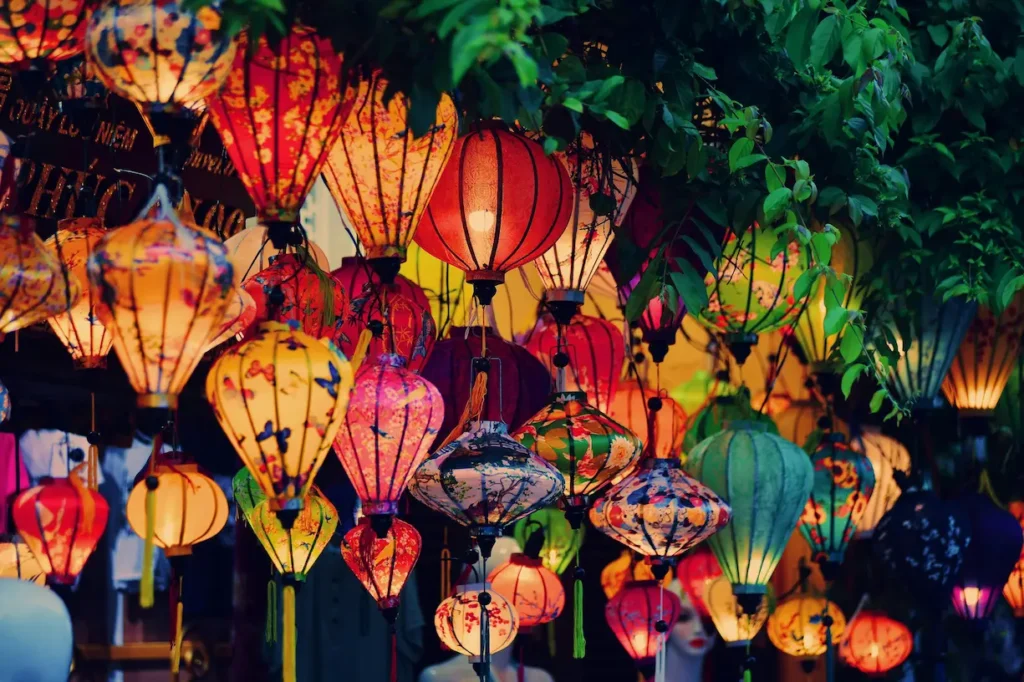
Table of Contents
Table of Contents
Choosing the best time of year to travel Vietnam can make or break your trip. Visit during monsoon season and you’ll face daily downpours. Arrive during peak summer heat and you’ll battle 95°F temperatures with crushing humidity. But time it right? You’ll experience perfect weather, fewer crowds, and better prices.
Vietnam stretches over 1,000 miles from north to south, creating three distinct climate zones that experience different weather patterns simultaneously. When Hanoi shivers at 60°F in January, Ho Chi Minh City basks in 85°F sunshine. Understanding these regional differences is crucial for planning.
After spending months researching weather patterns and analyzing traveler experiences across all seasons, I’ll break down the best time to visit Vietnam for every travel style, budget, and destination. You’ll learn exactly when to visit each region, which months to avoid, and how to maximize your Vietnam experience.
Understanding Vietnam’s Three Climate Zones
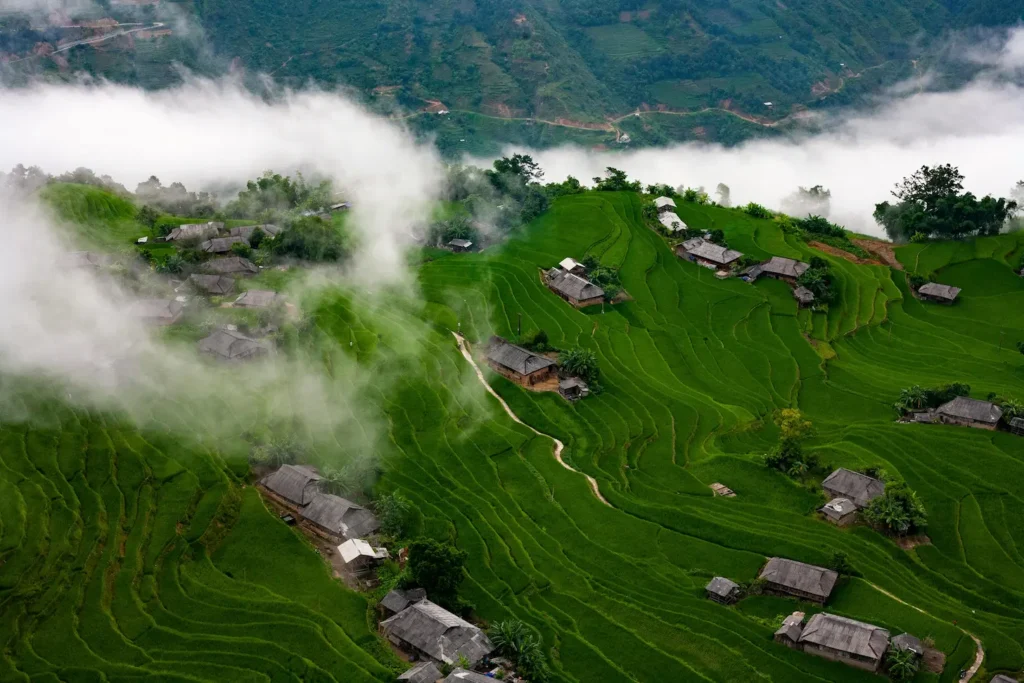
Vietnam’s geography creates three distinct weather patterns you must understand before determining the best time of year to travel Vietnam.
Northern Vietnam (Hanoi, Halong Bay, Sapa)
Climate Type: Four distinct seasons
Characteristics:
- Cold winters (December-February): 50-65°F
- Hot summers (June-August): 85-95°F
- Spring and autumn offer ideal conditions
- Winter fog can obscure Halong Bay views
Central Vietnam (Hoi An, Hue, Da Nang)
Climate Type: Tropical with distinct wet/dry seasons
Characteristics:
- Rainy season (September-January) brings heavy rainfall
- Hot, dry season (February-August) perfect for beaches
- Typhoon risk September-November
- Most unpredictable weather patterns
Southern Vietnam (Ho Chi Minh City, Mekong Delta, Phu Quoc)
Climate Type: Tropical year-round
Characteristics:
- Consistent temperatures (75-95°F) throughout year
- Dry season (December-April) is peak time
- Wet season (May-November) features afternoon storms
- Most predictable weather of all regions
Understanding these zones is essential because the best time to visit Vietnam varies dramatically by region.
Vietnam Weather by Month: Complete Breakdown
| Month | North Vietnam | Central Vietnam | South Vietnam | Overall Rating | Best For |
|---|---|---|---|---|---|
| January | Cool & dry (60-68°F) | Rainy & cool (65-75°F) | Hot & dry (80-90°F) | ⭐⭐⭐⭐ | South Vietnam, Tet Festival |
| February | Mild & foggy (62-70°F) | Warming up (70-80°F) | Hot & dry (82-92°F) | ⭐⭐⭐⭐⭐ | Best overall month |
| March | Pleasant (68-75°F) | Warm & dry (75-85°F) | Hot & dry (85-95°F) | ⭐⭐⭐⭐⭐ | Excellent nationwide |
| April | Warm (75-85°F) | Hot & dry (80-92°F) | Very hot (88-97°F) | ⭐⭐⭐⭐ | North & Central beaches |
| May | Hot (80-90°F) | Very hot (85-95°F) | Wet season starts (85-93°F) | ⭐⭐⭐ | North Vietnam only |
| June | Hot & humid (85-95°F) | Hot (85-93°F) | Afternoon rains (83-90°F) | ⭐⭐ | Not recommended |
| July | Very hot (88-97°F) | Hot (85-93°F) | Heavy rains (82-90°F) | ⭐⭐ | Beach season only |
| August | Hot & humid (85-95°F) | Hot (85-93°F) | Rainy (82-90°F) | ⭐⭐ | Beach destinations |
| September | Cooling down (80-88°F) | Typhoon risk (80-88°F) | Rainy (82-90°F) | ⭐⭐ | Avoid central coast |
| October | Pleasant (75-82°F) | Rainy & typhoons (75-85°F) | Rainy (80-88°F) | ⭐⭐⭐ | North Vietnam only |
| November | Cool & dry (68-75°F) | Rain decreasing (70-80°F) | Rain decreasing (78-88°F) | ⭐⭐⭐⭐ | North & shoulder season |
| December | Cool (60-70°F) | Cool & drying (65-75°F) | Dry season begins (78-88°F) | ⭐⭐⭐⭐ | South Vietnam peak |
This Vietnam weather by month table shows exactly why understanding regional differences matters when choosing the best time to visit Vietnam.

The Best Time of Year to Travel Vietnam (Overall Winner)
February to April: Peak Perfect Weather
Why These Months Win:
February through April represents the absolute best time of year to travel Vietnam for most travelers. Here’s why this window works:
Northern Vietnam (Hanoi, Halong Bay, Sapa):
- Temperatures: 68-85°F (comfortable exploring)
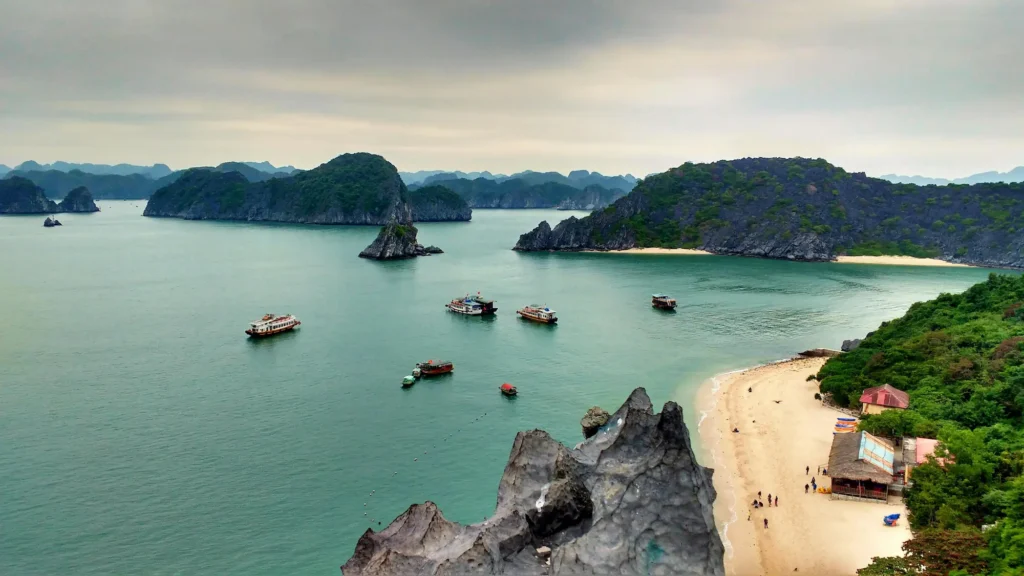
- Clear skies for Halong Bay cruises
- Minimal rain (2-4 days per month)
- Perfect hiking conditions in Sapa
Central Vietnam (Hoi An, Hue, Da Nang):
- Temperatures: 75-90°F (ideal beach weather)
- Dry season in full swing
- Typhoon season completely over
- Best time for lantern festivals
Southern Vietnam (Ho Chi Minh City, Mekong Delta):
- Temperatures: 85-95°F (hot but dry)
- No afternoon rain showers
- Perfect Mekong Delta conditions
- Peak beach season for Phu Quoc
Additional Benefits:
- School holidays haven’t started (fewer crowds)
- Prices lower than December-January peak
- All regions accessible without weather concerns
- Perfect visibility for photography
- Outdoor activities at their best
Drawbacks:
- Prices higher than monsoon season (but still reasonable)
- More tourists than shoulder seasons
- Book accommodations 4-6 weeks ahead
This three-month window offers the closest thing to guaranteed good weather across all Vietnam regions, making it the best time to visit Vietnam for first-timers or those on tight schedules.

Best Time to Visit Vietnam by Region
Northern Vietnam: Hanoi, Halong Bay, Sapa
Absolute Best: March to May & September to November
Weather Breakdown:
March-May (Spring):
- Temperatures: 68-85°F
- Occasional spring drizzle adds atmosphere
- Flowers blooming throughout region
- Excellent hiking conditions in Sapa
- Clear views for Halong Bay cruises
September-November (Autumn):
- Temperatures: 68-82°F
- Crisp, clear skies perfect for photography
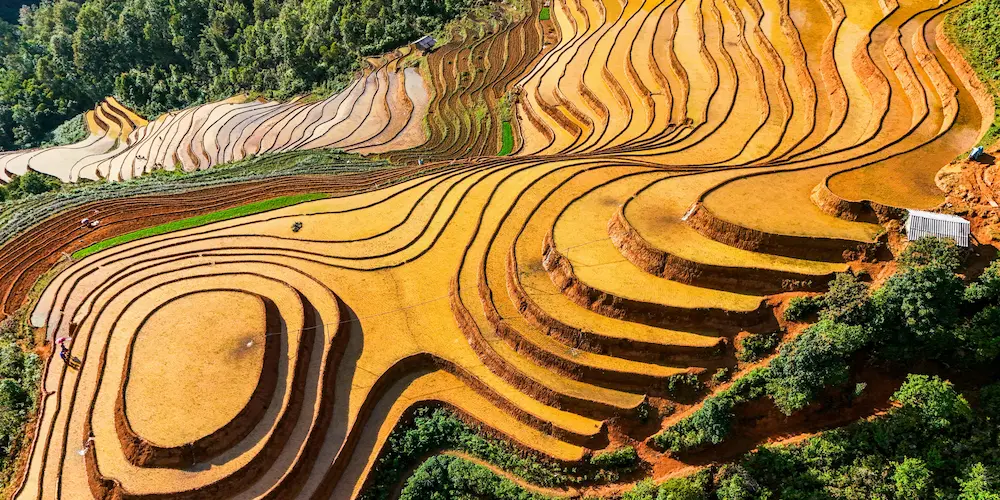
- Rice terraces in Sapa turn golden (September-October)
- Fewer tourists than spring
- Comfortable walking weather in Hanoi Old Quarter
Avoid: December-February (too cold, foggy) and June-August (oppressively hot and humid)
Pro Tips for North Vietnam:
- Book Halong Bay cruises 2-3 weeks ahead during peak months
- Sapa requires layered clothing even in summer
- Hanoi’s winter fog (December-February) can obscure Halong Bay views
- October offers the single best month for northern Vietnam
Central Vietnam: Hoi An, Hue, Da Nang
Absolute Best: February to May
Weather Breakdown:
February-May:
- Temperatures: 75-92°F
- Minimal rainfall (1-3 days per month)
- Perfect beach conditions
- Calm seas for snorkeling and diving
- Clear skies for photography
Shoulder Season: June-August (hot but manageable)
Critical Avoid Period: September-January
Central Vietnam faces the most challenging weather patterns during monsoon season. The best time of year to travel Vietnam’s central coast is absolutely crucial to get right.
September-January Issues:
- Heavy rainfall (20+ days per month in October-November)
- Typhoon risk (September-November)
- Flooding in Hoi An Ancient Town
- Beach activities impossible
- Many tours cancelled
Why February Marks the Turn: February signals the definitive shift to dry season. Rain drops to 2-3 days per month, temperatures become pleasant, and tourism infrastructure runs at full capacity.
Pro Tips for Central Vietnam:
- Book Da Nang beach hotels for February-April
- Hoi An Lantern Festival (14th lunar month) offers magical atmosphere
- Avoid September-December completely for beach plans
- June-August works for budget travelers accepting heat
Southern Vietnam: Ho Chi Minh City, Mekong Delta, Phu Quoc
Absolute Best: December to April
Weather Breakdown:
December-April (Dry Season):
- Temperatures: 80-95°F (hot but sunny)
- Zero rainfall most days
- Perfect Mekong Delta boat tours
- Peak beach season for Phu Quoc
- Clear skies for Cu Chi Tunnels tours
Wet Season Reality: May-November
Southern Vietnam’s wet season differs from monsoons in other regions:
May-November Characteristics:
- Daily afternoon thunderstorms (2-3 hours)
- Mornings typically remain dry
- Temperatures stay consistent (82-90°F)
- Still very much travelable
- Significantly cheaper prices
Why Wet Season Can Work: Unlike central Vietnam’s relentless monsoons, southern Vietnam’s wet season features predictable afternoon storms. Plan morning activities, enjoy lunch during the rain, then continue exploring after storms pass.
Pro Tips for South Vietnam:
- December-January is peak season (book 6-8 weeks ahead)
- Phu Quoc becomes crowded December-February
- Mekong Delta best visited December-March
- May-November offers 40-50% accommodation discounts
- Afternoon storms actually cool things down pleasantly
Best Time to Visit Vietnam for Budget Travelers
Smart budget travelers know that choosing the right season dramatically impacts costs. The best time of year to travel Vietnam for your wallet differs from peak weather months.
Shoulder Season Sweet Spots
May & November: Maximum Value
Why These Months Offer Best Value:
May:
- 30-40% cheaper accommodations than March-April
- North Vietnam weather remains excellent
- South Vietnam wet season just starting (manageable)
- Fewer tourists at major attractions
- Better negotiating power for tours
November:
- 35-45% cheaper than December-January
- Weather improving across all regions
- Post-monsoon freshness and green landscapes
- Excellent deals on hotels desperate to fill rooms
- Perfect timing before Christmas rush
Wet Season Budget Opportunities
June-September: Rock Bottom Prices
What You Get:
- Accommodations 45-55% cheaper
- Tours offering aggressive discounts
- Empty hostels negotiable for weekly rates
- Flights from US $200-400 cheaper
- Restaurant specials trying to attract customers
What You Face:
- Daily rain (mostly afternoons in south)
- Some tours cancelled due to weather
- Beach activities limited
- Need flexibility in plans
- Must accept weather compromises
Who This Works For:
- Digital nomads staying long-term
- Flexible travelers with no fixed itinerary
- Visitors focusing on cities and culture over beaches
- Travelers comfortable with rain
- Anyone on extremely tight budgets
Money-Saving Timing Strategies
Book These Dates for Maximum Savings:
Early May:
- Peak season just ended
- Weather still good in north
- Prices dropped but conditions excellent
Late November:
- Monsoon ending
- Dry season starting
- Hotels slashing prices before peak season
Avoid These Expensive Periods:
- Christmas to New Year (peak Western tourism)
- Tet (Vietnamese New Year, late January/early February)
- Chinese New Year (overlaps with Tet)
- Spring break (March for US students)
Budget Traveler Pro Tips:
- Book accommodations last-minute during wet season (walk-in rates beat online)
- Use shoulder months to negotiate better tour prices
- Combine regions strategically (north in May, south in November)
- Accept afternoon rain for 50% savings
- Visit during weekdays for additional 15-20% off
The best time to visit Vietnam for budget travelers requires accepting minor weather compromises for major financial savings.
Worst Time to Visit Vietnam (Monsoon Reality)
Understanding the worst time of year to travel Vietnam helps you avoid costly mistakes and disappointing experiences.
September to November: Central Vietnam Monsoon
Why This Period Is Challenging:
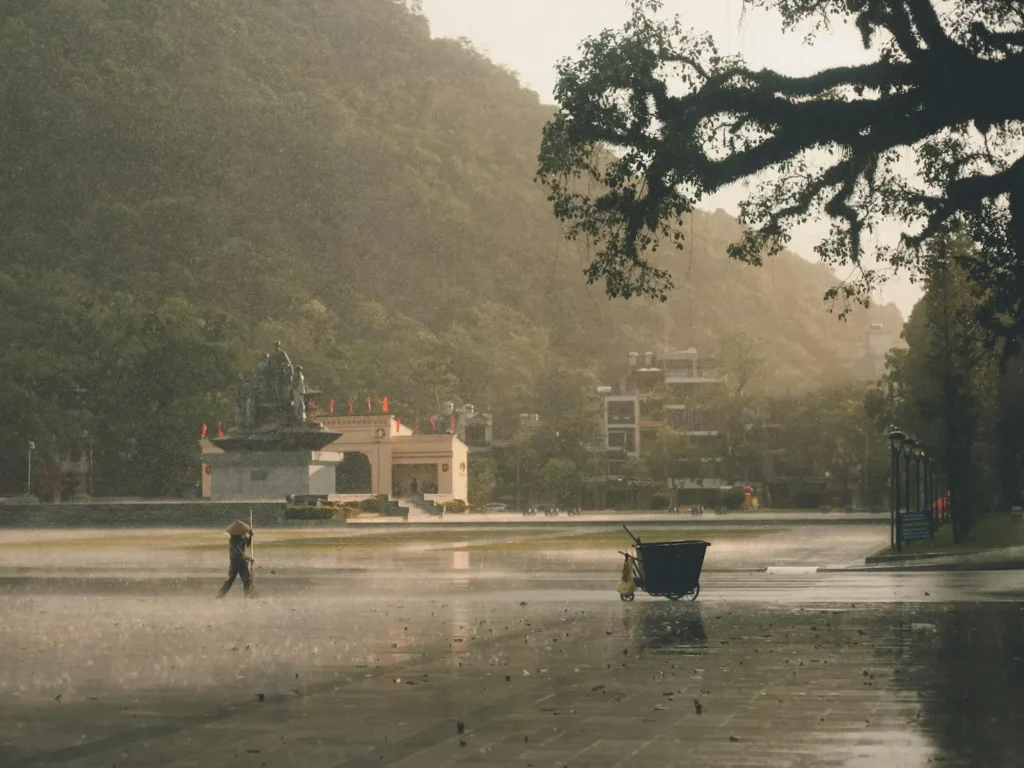
Central Vietnam (Hoi An, Hue, Da Nang) faces its most severe weather September through November:
Rainfall Statistics:
- October: 20-27 rainy days
- November: 18-24 rainy days
- Daily rainfall: 3-8 inches during heavy periods
- Flooding risk in Hoi An Ancient Town
Typhoon Season: September through November brings typhoon risk to central coast:
- 2-4 typhoons typically impact region
- Flight cancellations common
- Coastal evacuations possible
- Tours shut down for days
- Beach activities completely impossible
Real Impact: I’ve spoken with travelers who visited Hoi An in October. They experienced:
- 9 consecutive days of rain
- Knee-deep flooding in Ancient Town
- Cancelled Cham Islands snorkeling
- Closed restaurants due to flooding
- Extremely limited activities
Exceptions: Even during monsoon season, you might get lucky with 2-3 dry days. But planning a beach vacation for these months is gambling heavily.
June to August: Northern Vietnam Heat Wave
Why This Period Is Uncomfortable:
Temperature Reality:
- Daily highs: 90-97°F
- Humidity: 80-95%
- “Feels like” temperatures: 105-115°F
- Air quality issues in Hanoi
Impact on Activities:
- Walking tours become exhausting
- Midday outdoor activities dangerous
- Halong Bay cruises sweltering
- Sapa trekking challenging despite cooler temperatures
Who Can Handle It:
- Travelers from extremely hot climates
- Visitors focusing on indoor attractions
- Anyone accepting afternoon siestas
- Budget travelers prioritizing cost over comfort
December to February: Northern Vietnam Cold Snap
Why This Period Disappoints:
Temperature Reality:
- Daily temperatures: 50-68°F
- Feels colder due to humidity
- Fog obscures Halong Bay 40% of time
- Sapa can see frost and occasional snow
Disappointed Expectations: Many travelers expect tropical weather year-round. Northern Vietnam’s winter surprises them:
- Packing only shorts and t-shirts
- Planning Halong Bay cruises (fogged out)
- Expecting beach weather in Hanoi area
- Not bringing warm layers
This Isn’t Terrible If:
- You pack appropriately (layers, light jacket)
- You adjust expectations for cooler weather
- You appreciate fewer crowds
- You enjoy cozy cafe culture
The worst time to visit Vietnam depends entirely on your destination and tolerance for weather extremes. Central Vietnam monsoons are genuinely challenging, while northern winters simply require proper preparation.
Vietnam Festivals & Events by Month
Timing your visit around festivals can enhance your experience or complicate logistics. Here’s what to know about the best time of year to travel Vietnam for cultural events.
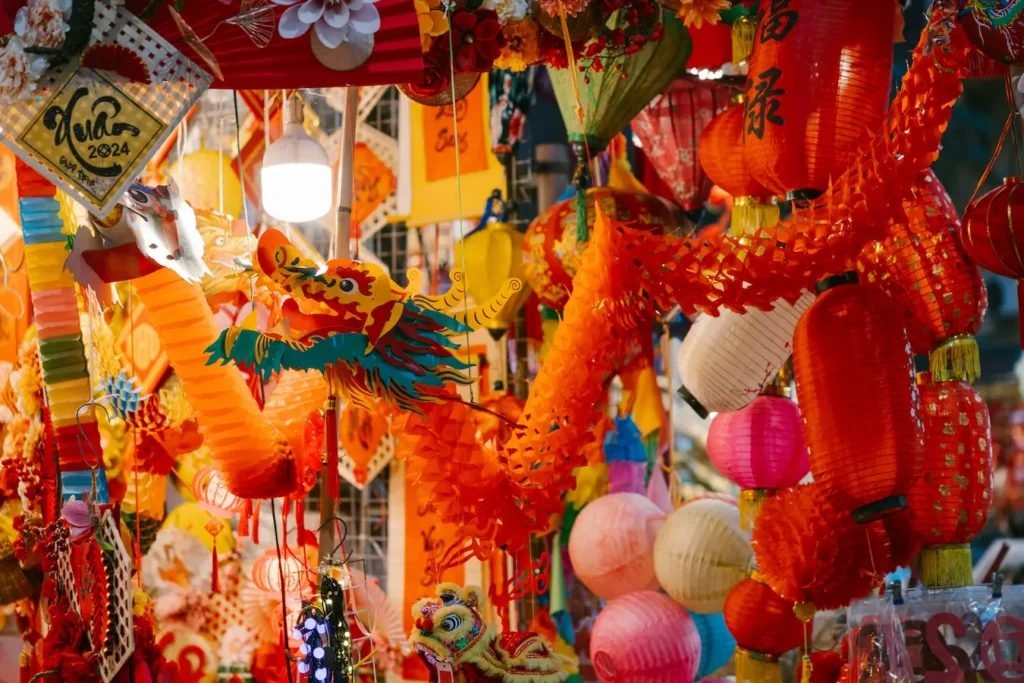
Tet (Vietnamese New Year) – Late January/Early February
What It Is: Vietnam’s most important holiday celebrating lunar new year. Think Christmas, New Year’s, and Thanksgiving combined.
Why It Matters for Travelers:
Positive Aspects:
- Incredible cultural experience
- Colorful decorations throughout cities
- Special foods and traditions
- Festive atmosphere everywhere
- Flower markets and street celebrations
Challenges:
- Most businesses close 3-7 days
- Transportation fully booked weeks ahead
- Hotel prices spike 100-200%
- Restaurants closed (only hotels serve food)
- Many attractions shut down
- Locals traveling means extremely crowded trains/buses
Travel Strategy: Either plan entirely around Tet (book 8-12 weeks ahead, accept higher prices, embrace the experience) or avoid it completely (travel 2+ weeks before or after).
2026 Tet Date: January 29 – February 4
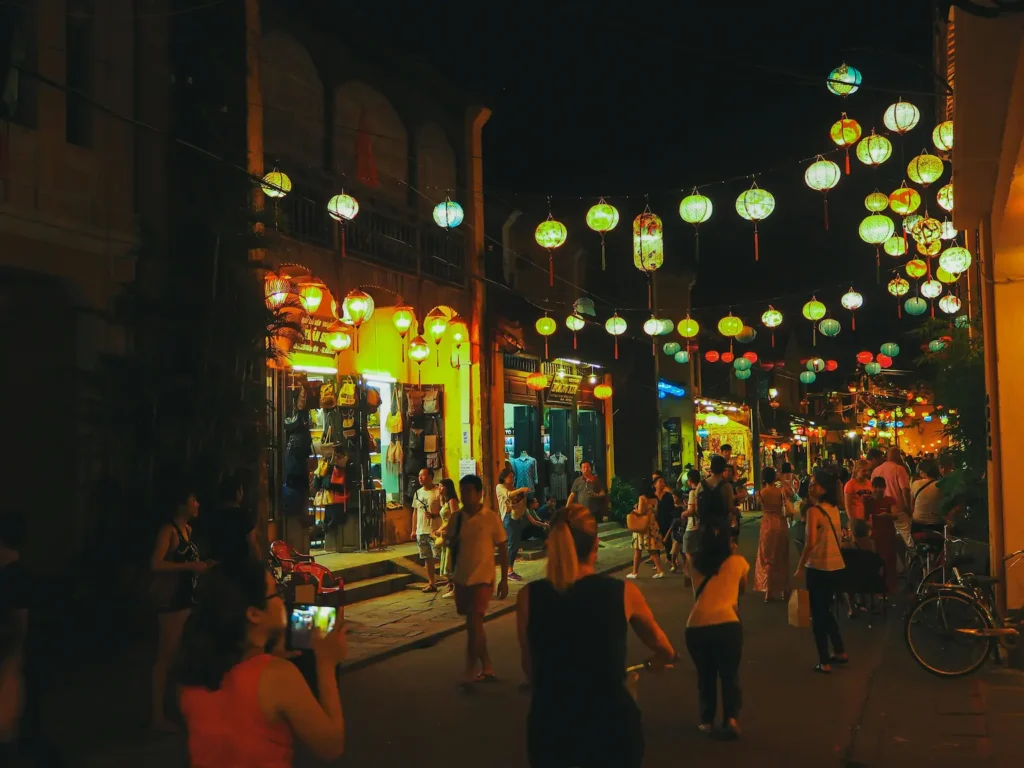
Hoi An Lantern Festival – Monthly (14th Lunar Day)
What It Is: Monthly full moon celebration where Hoi An Ancient Town turns off electric lights and illuminates entirely with lanterns.
Why Visit:
- Magical atmosphere
- Perfect photography opportunities
- Traditional performances
- River lantern releases
- No additional crowds (happens every month)
Best Months: February through May (combines good weather with festival)
2026 Dates:
- February 12
- March 14
- April 12
- May 12
- June 10
Mid-Autumn Festival – September/October
What It Is: Harvest moon celebration featuring mooncakes, lantern parades, and dragon dances. Particularly special for children.
Why Visit:
- Beautiful lantern displays
- Traditional performances
- Special foods
- Family-friendly atmosphere
- Cultural immersion
Challenge: Falls during central Vietnam’s monsoon season
2026 Date: September 25
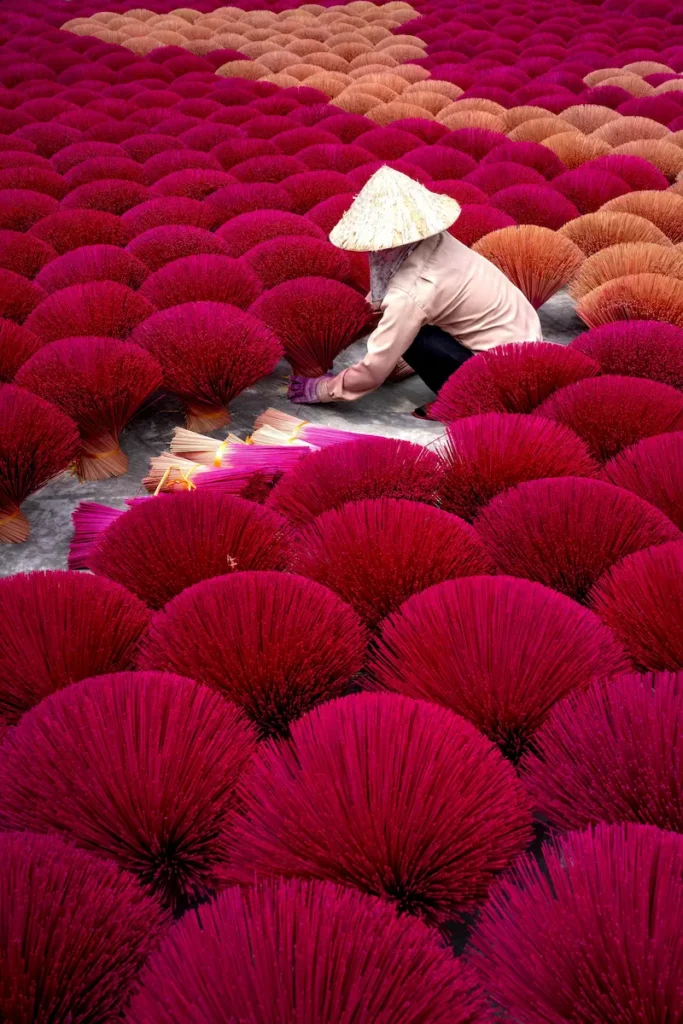
Perfume Pagoda Festival – February/March
What It Is: Massive pilgrimage to Perfume Pagoda complex near Hanoi. Thousands of Vietnamese Buddhists make the journey.
Why Visit:
- Authentic religious experience
- Scenic boat rides through rice paddies
- Cable car up mountainside
- Traditional ceremonies
Challenge: Extremely crowded on weekends
Best Strategy: Visit weekdays in early March
Hue Festival – April/May (Biennial)
What It Is: Week-long cultural festival in Hue featuring traditional music, dance, theater, and ceremonies. Showcases central Vietnam’s imperial heritage.
Why Visit:
- World-class performances
- Cultural exhibitions
- Food festivals
- Traditional ceremonies
- Art installations
2026 Date: May 16-23 (biennial event – next one in 2026)
Festival Planning Tips
Book Early for Major Festivals:
- Tet: 10-12 weeks ahead
- Hue Festival: 8-10 weeks ahead
- Perfume Pagoda weekends: 3-4 weeks ahead
Consider Festival Crowds: Major festivals add 30-40% more visitors to specific cities. Balance cultural experience against increased prices and crowds.
Local Festivals: Smaller local festivals happen constantly. Ask your hotel about regional celebrations during your visit for authentic experiences without tourist crowds.
Best Time to Visit Vietnam: Special Interests
For Beach Lovers
Best Months: February to May
Regional Breakdown:
Central Coast (Da Nang, Hoi An, Nha Trang):
- Peak: February-May
- Water temperature: 77-82°F
- Calm seas, perfect visibility
- All water sports operational
South (Phu Quoc, Con Dao):
- Peak: December-April
- Water temperature: 80-84°F
- Dry season, minimal waves
- Best diving/snorkeling visibility
Avoid: September-January for central coast (monsoons), May-October for south (afternoon storms)
For Photographers
Best Months: March-April & October-November
Why These Months:
- Clear skies for landscapes
- Golden hour light quality
- Fewer hazy days
- Comfortable shooting conditions
- Sapa rice terraces (September-October)
- Spring flowers (March-April)
Best Locations by Season:
- March-April: Halong Bay, northern mountains, central beaches
- September-October: Sapa rice terraces, Mekong Delta
- December-January: Southern Vietnam, festivals

For Trekking & Hiking
Best Months: March-May & September-November
Sapa Region:
- Spring (March-May): Wildflowers, moderate temperatures
- Autumn (September-October): Rice harvest, golden terraces
- Avoid: June-August (too hot), December-February (too cold)
Central Highlands:
- November-March: Dry season, cool temperatures
- Coffee harvest season (November-February)
For Motorbike Tours
Best Months: March-May & September-November
Why These Work:
- Dry roads in most regions
- Comfortable riding temperatures
- Clear visibility
- All mountain passes open
- Minimal rain delays
Famous Routes:
- Ha Giang Loop: March-May & September-November
- Hai Van Pass: February-May
- Central Highlands: November-March
Avoid: Monsoon seasons for your planned route
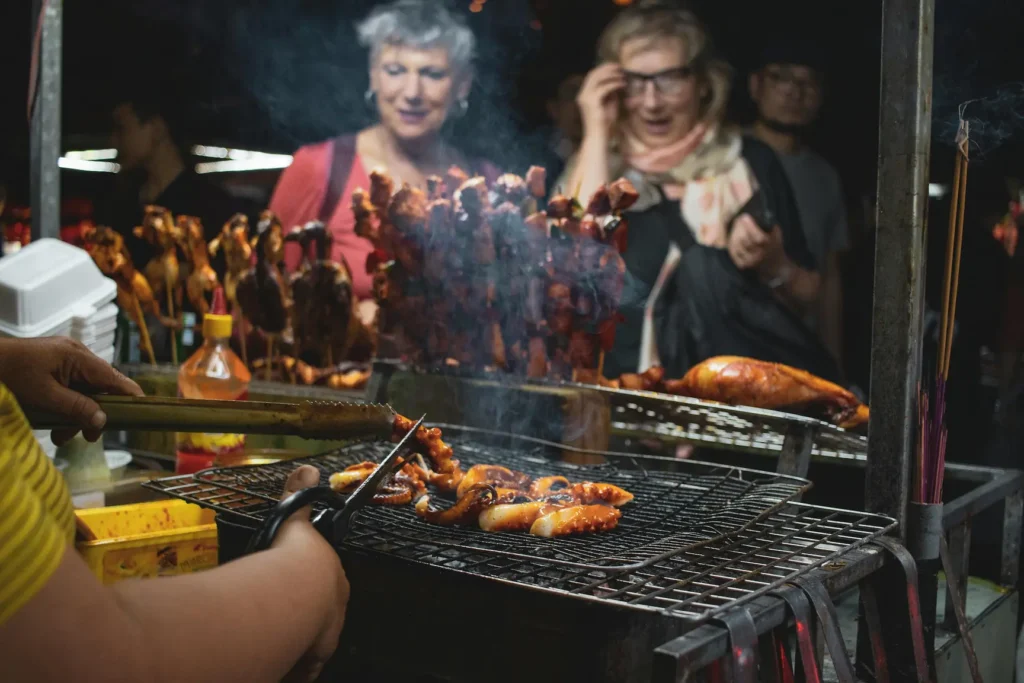
For Food Lovers
Best Months: Year-round with seasonal highlights
Seasonal Specialties:
Spring (March-May):
- Green rice flakes (Hanoi)
- Spring rolls with fresh herbs
- Young jackfruit dishes
Summer (June-August):
- Mango season
- Tropical fruit abundance
- Refreshing che (sweet soups)
Autumn (September-November):
- Crab season (September-November)
- Persimmons
- Duck dishes
Winter (December-February):
- Hot pot season
- Tet special foods
- Warming soups and stews
Food tourism works year-round in Vietnam, making it flexible for the best time of year to travel Vietnam based on culinary interests.
Read More: Best Street Food in Hanoi: Your UltimateGuide to Vietnam’s Culinary Capital in 2026
Regional Itinerary Timing Guide
Understanding the best time to visit Vietnam by region helps you plan multi-destination itineraries.
North-to-South Itinerary
Best Timing: March-April
Route: Hanoi → Halong Bay → Hue → Hoi An → Ho Chi Minh City
Why March-April:
- Northern Vietnam perfect (70-80°F)
- Central Vietnam dry season
- Southern Vietnam hot but manageable
- All regions accessible
- No weather concerns
South-to-North Itinerary
Best Timing: December-January
Route: Ho Chi Minh City → Mekong Delta → Da Nang → Hoi An → Hanoi
Why December-January:
- Southern Vietnam peak season
- Central Vietnam dry
- Northern Vietnam cool but comfortable
- Perfect for working your way into cooler weather
Central Focus Itinerary
Best Timing: February-May
Route: Da Nang → Hoi An → Hue → Phong Nha
Why February-May:
- Absolute best weather window
- Zero monsoon risk
- Perfect beach conditions
- All activities operational
Year-Round Strategy
Split Regional Visits:
If you can’t visit during ideal months, split your trip:
May-September Focus:
- Northern Vietnam (Hanoi, Halong Bay, Sapa)
- Mountains and cooler regions
- Skip central and southern coasts
December-April Focus:
- Southern Vietnam (Ho Chi Minh City, Mekong, Phu Quoc)
- Central Vietnam (Da Nang, Hoi An, Hue)
- Skip northern Vietnam’s winter
This strategy lets you experience Vietnam even during non-ideal months by focusing on regions with better weather.
Read More: Ultimate Vietnam Travel Itineraries: 10 Incredible Days

Practical Planning Tips
Booking Timelines by Season
Peak Season (December-January, March-April):
- Accommodations: 6-8 weeks ahead
- Tours: 4-6 weeks ahead
- Flights: 10-12 weeks ahead
- Trains: 4-6 weeks ahead (especially overnight)
Shoulder Season (May, November):
- Accommodations: 2-3 weeks ahead (or last-minute)
- Tours: 2-3 weeks ahead
- Flights: 8-10 weeks ahead
- Trains: 2-3 weeks ahead
Low Season (June-October):
- Accommodations: Last-minute (better deals)
- Tours: 1-2 weeks ahead
- Flights: 8-10 weeks ahead
- Trains: Week of travel (unless holiday)
Packing by Season
December-February (North Vietnam):
- Light jacket or fleece
- Long pants
- Closed-toe shoes
- Layers for temperature changes
March-May (All Regions):
- Light, breathable clothing
- Sunscreen and hat
- Light rain jacket
- Comfortable walking shoes
June-August (All Regions):
- Lightest possible clothing
- High SPF sunscreen
- Breathable fabrics
- Water bottle
September-November (Central Vietnam):
- Rain gear (jacket, waterproof bag)
- Quick-dry clothing
- Closed shoes (sandals get soaked)
- Plastic bags for electronics
Weather-Based Activity Planning
Clear Days:
- Halong Bay cruises
- Beach activities
- Photography tours
- Outdoor markets
Rainy Days:
- Museums and indoor attractions
- Cooking classes
- Spa treatments
- Covered markets
- Coffee shop culture
Hot Days:
- Morning activities (5am-11am)
- Indoor attractions during midday
- Evening activities (4pm onward)
- Water-based activities
Travel Insurance Considerations
Certain months require additional coverage:
September-November (Typhoon Season):
- Trip cancellation coverage essential
- Flight delay protection
- Tour cancellation coverage
December-January (Peak Season):
- Higher coverage limits (more expensive bookings)
- Medical coverage (more tourists = more accidents)
Year-Round:
- Medical emergency coverage
- Lost baggage protection
- Emergency evacuation
For comprehensive coverage recommendations, check our Travel Insurance Vietnam: Your Complete Guide
Frequently Asked Questions
What is the best month to visit Vietnam?
February and March represent the best months to visit Vietnam overall. These months offer excellent weather across all three climate zones: comfortable temperatures in the north (68-75°F), perfect beach conditions in central Vietnam (75-85°F), and hot but dry weather in the south (85-92°F). The entire country becomes accessible without weather concerns, crowds remain manageable compared to December-January, and prices stay reasonable before peak season surges.
For specific regions: October for northern Vietnam, February-April for central Vietnam, and December-February for southern Vietnam.
What is the cheapest time to travel to Vietnam?
May and June offer the cheapest time to travel Vietnam, with accommodation prices dropping 40-55% compared to peak season. The wet season (May-November) provides maximum savings across the board: flights from the US cost $200-400 less, hotels slash rates trying to fill rooms, and tours offer aggressive discounts.
Southern Vietnam’s wet season (May-November) is particularly manageable with predictable afternoon storms, allowing morning activities and significant budget savings. Northern Vietnam remains pleasant in May before summer heat peaks.
Budget travelers accepting weather compromises can save $500-800 on a two-week trip by visiting during wet season months.
Is Vietnam good to visit year-round?
Yes and no—Vietnam is visitable year-round, but you must choose the right region for each season. The country’s 1,000-mile length creates distinct climate zones with different weather patterns:
Works Year-Round:
Northern Vietnam (Hanoi, Halong Bay): March-November
Central Vietnam (Hoi An, Da Nang): February-August
Southern Vietnam (Ho Chi Minh, Mekong): December-May
Strategic approach: Visit northern Vietnam during their best months (March-May, September-November), central Vietnam during dry season (February-August), and southern Vietnam during their dry season (December-April).
By focusing on appropriate regions for each season, you can visit Vietnam any month and have good experiences. However, attempting to see all regions during a single unsuitable month (like central Vietnam in October) leads to disappointment.
Should I avoid Vietnam during monsoon season?
It depends on the region and your flexibility. Central Vietnam’s monsoon (September-January) should generally be avoided due to heavy daily rainfall, flooding risks, and typhoons. This period makes beach activities impossible and significantly limits touring options.
However, southern Vietnam’s wet season (May-November) is much more manageable with predictable afternoon thunderstorms lasting 2-3 hours. Mornings typically remain dry, allowing you to plan activities accordingly. This weather pattern differs dramatically from central Vietnam’s relentless rain.
Consider monsoon season if:
You’re extremely budget-conscious (40-55% savings)
You have flexible plans
You’re focusing on cities and culture vs beaches
You’re visiting southern Vietnam (predictable afternoon rain)
Avoid monsoon season if:
Beach activities are your priority
You’re visiting central Vietnam
You have a fixed itinerary
You have limited vacation time
When is typhoon season in Vietnam?
Typhoon season runs from July through November, with peak activity in September and October. Central Vietnam faces the highest risk, particularly the coast from Da Nang to Hue. Typhoons bring:
Heavy rainfall (4-10 inches daily)
Strong winds (70-150 mph)
Coastal flooding
Flight cancellations
Tour shutdowns
Evacuations in severe cases
Average typhoon impacts: Vietnam experiences 4-6 typhoons annually, with 2-4 directly affecting the central coast during September-November.
Northern and southern Vietnam have minimal typhoon risk—most storms weaken before reaching these regions or veer toward central coast.
Travel strategy: Completely avoid central Vietnam September-November. If you must visit during this period, maintain flexible bookings, purchase comprehensive travel insurance with trip cancellation coverage, and monitor weather forecasts closely.
What is shoulder season in Vietnam?
Shoulder seasons are May and November—the transition months between peak and low seasons offering excellent value.
May benefits:
Weather still good in northern Vietnam
Accommodation 30-40% cheaper than March-April
Fewer tourists at major attractions
South Vietnam’s wet season just starting (manageable)
November benefits:
Weather improving across all regions
Post-monsoon green landscapes
Prices 35-45% cheaper than December-January
Perfect timing before Christmas rush
Shoulder seasons provide the sweet spot of reasonable weather combined with significantly better prices and smaller crowds. They represent the best time of year to travel Vietnam for value-conscious travelers who can handle minor weather compromises.
Can I visit Halong Bay year-round?
Technically yes, but quality varies dramatically by season. Halong Bay experiences distinct weather patterns affecting cruise experiences:
Best months (March-May, September-November):
Clear skies and good visibility
Comfortable temperatures
Calm seas
Perfect photography conditions
Acceptable months (December-February):
Cool temperatures (need layers)
Fog potential (obscures views 30-40% of time)
Fewer tourists
Still manageable
Challenging months (June-August):
Extremely hot and humid (90-97°F)
Hazy conditions
Crowded with domestic tourists
Less comfortable cruising
Avoid considerations: Winter fog (December-February) can completely obscure the famous limestone karsts, significantly diminishing the experience. Many travelers report disappointment when fog blankets the bay during multi-day cruises.
Recommendation: Book Halong Bay cruises for March-May or September-November for guaranteed optimal conditions. These months represent the absolute best time to visit Vietnam’s most iconic attraction.
Is Tet a good time to visit Vietnam?
Tet offers incredible cultural experiences but significant logistical challenges—whether it’s worth visiting depends on your priorities and preparation.
Positive aspects:
Extraordinary cultural immersion
Colorful decorations throughout cities
Traditional foods and ceremonies
Festive atmosphere
Flower markets and celebrations
Unique experience unavailable other times
Significant challenges:
Most businesses close 3-7 days
Restaurants shut down (hotels only option)
Transportation fully booked weeks ahead
Hotel prices spike 100-200%
Many attractions closed
Banks and services limited
Streets can feel empty and deserted
Who should visit during Tet:
Culturally curious travelers accepting inconvenience for authentic experience
Visitors with Vietnamese friends/family
Travelers willing to pay premium prices
Those who book everything 10-12 weeks ahead
Who should avoid Tet:
First-time Vietnam visitors
Travelers on tight budgets
Anyone expecting normal business operations
Visitors with fixed itineraries
2026 Tet: January 29 – February 4. Avoid travel January 26 – February 6 for smoothest experience.
Quick Reference: Best Time of Year to Travel Vietnam
By Priority
Best Overall Weather: February-April Best Value: May & November
Least Crowded: June-August (wet season) Best Festivals: January-February (Tet), monthly (Hoi An Lantern)
By Region
North Vietnam: March-May, September-November Central Vietnam: February-May South Vietnam: December-April
By Activity
Beaches: February-May (central), December-April (south) Trekking: March-May, September-November Photography: March-April, October-November Food Tours: Year-round Motorbike Touring: March-May, September-November
By Travel Style
First-Timers: February-April (guaranteed good weather everywhere) Budget Travelers: May, November (shoulder season), June-September (wet season) Luxury Travelers: December-January (peak comfort, full services) Flexible Travelers: Year-round (adjust regions to seasons)
Final Recommendations: Planning Your Perfect Vietnam Trip
The best time of year to travel Vietnam ultimately depends on your priorities, but here’s my definitive guidance:
For Most Travelers: February to April
This three-month window offers the closest thing to guaranteed excellent weather across all regions. You’ll experience comfortable temperatures, minimal rain, and full access to every corner of Vietnam. Book accommodations 4-6 weeks ahead, accept slightly higher prices than shoulder seasons, and enjoy worry-free travel.
For Budget Travelers: May or November
These shoulder months provide 30-45% savings while maintaining reasonable weather. May works brilliantly for northern Vietnam focus, while November excels for southern/central regions. Accept occasional rain for significant budget savings.
For Specific Regions: Follow the Guide
Don’t try to see all of Vietnam during unsuitable months. Instead:
- Visit central Vietnam only during February-August
- Experience northern Vietnam March-May or September-November
- Explore southern Vietnam December-April
Strategic regional planning beats attempting nationwide tours during compromised seasons.
Consider Your Flexibility
Rigid itineraries require optimal weather months (February-April). Flexible travelers can visit any time by adjusting destinations to match current weather patterns. Build flexibility into your plans, and you’ll find the best time to visit Vietnam expands significantly.
Check Long-Term Forecasts
Climate patterns shift slightly year-to-year. Check 30-day forecasts before booking to verify seasonal patterns align with historical norms. This final verification step prevents surprises.
Plan Your Perfect Vietnam Adventure
Ready to experience Vietnam during the optimal season? Understanding the best time of year to travel Vietnam transforms your trip from potentially disappointing to absolutely spectacular.
📧 Need personalized advice? Contact us for custom itinerary planning based on your specific travel dates and preferences.
Essential Vietnam Resources:
🗺️ Complete Vietnam Travel Guide – Everything you need to know
💰 Vietnam Travel Expenses Guide – Budget planning and costs
Pro Tips for Booking:
- Set up Google Flights price alerts 12 weeks before travel
- Book accommodations 4-6 weeks ahead during peak season
- Purchase comprehensive travel insurance with trip cancellation
- Download offline maps before departure
- Join Vietnam travel forums for real-time weather updates
🌤️ Weather Monitoring Tools:
- AccuWeather Vietnam (detailed forecasts)
- Windy.com (typhoon tracking)
- Weather.gov (NOAA typhoon warnings)
Ready to book? Check current flight deals to Vietnam and browse top-rated accommodations for your optimal travel months.
Remember: The best time of year to travel Vietnam varies by region and personal priorities. Use this guide to make informed decisions, remain flexible when possible, and prepare properly for your chosen season. Vietnam rewards those who plan thoughtfully with unforgettable experiences and incredible value.
Have questions about Vietnam weather or seasonal planning? Drop a comment below—we respond to every question and love helping travelers optimize their Vietnam adventures!
Last Updated: December 31, 2025