Vietnam vs Cambodia 2026: Which Should You Visit First?

By Aneerban / January 11, 2026

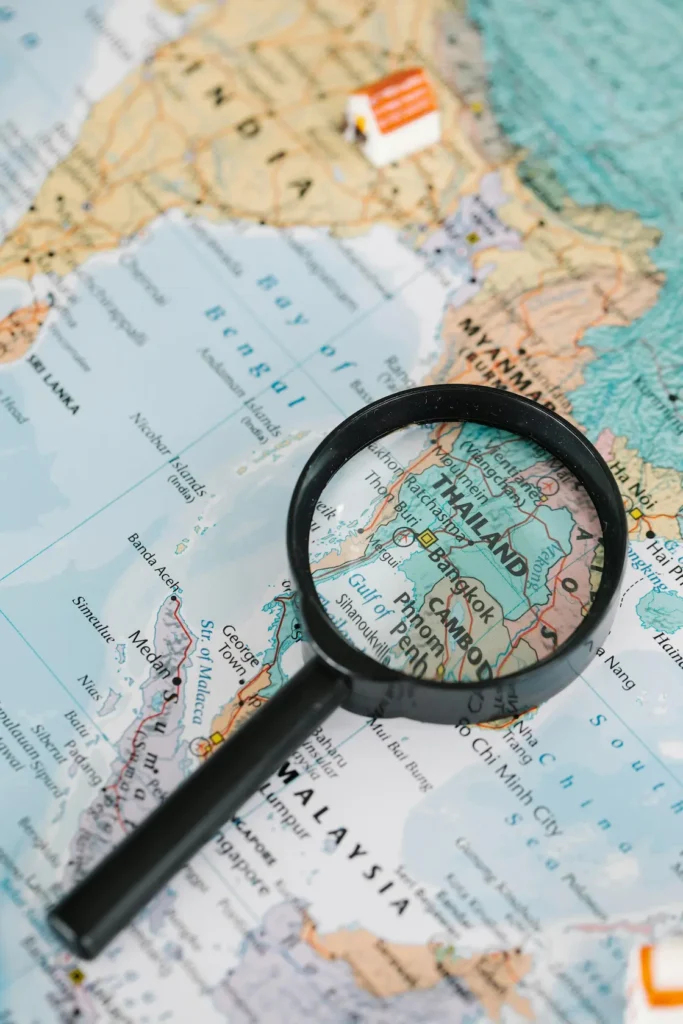
Choosing between Vietnam and Cambodia ranks among the most common dilemmas for travelers planning their first Southeast Asian adventure. Both countries offer incredible experiences, ancient history, mouthwatering cuisine, and affordable travel, yet they deliver distinctly different journeys. Should you explore Vietnam’s diverse landscapes stretching from misty mountains to pristine beaches? Or immerse yourself in Cambodia’s temple wonders and resilient cultural heritage?

vietnam vs cambodia

This comprehensive Vietnam vs Cambodia comparison breaks down everything you need to make an informed decision. We’ll examine costs, attractions, food, culture, safety, transportation, and the overall travel experience to help you determine which destination deserves your limited vacation time—or whether you should visit both.

The truth is, there’s no universally “better” choice in the Vietnam vs Cambodia debate. The right answer depends on your travel style, interests, budget, and what you hope to gain from your Southeast Asian adventure. By the end of this guide, you’ll know exactly which country aligns with your travel dreams.

Table of Contents

Quick Comparison Overview: Vietnam vs Cambodia at a Glance

Before diving deep, here’s a snapshot comparison to orient your decision:

Vietnam:

  • Larger country with more diverse geography (3,200km coastline)
  • More developed tourism infrastructure
  • Longer travel distances requiring more time
  • Vibrant street food culture and regional cuisines
  • French colonial influence alongside indigenous culture
  • Generally slightly more expensive than Cambodia
  • Best for: diverse experiences, foodies, beach lovers, longer trips

Cambodia:

  • Smaller, more compact country
  • Home to Angkor Wat (world’s largest religious monument)
  • More concentrated attractions requiring less travel time
  • Slower pace with more laid-back atmosphere
  • Ancient Khmer civilization heritage
  • Extremely affordable even on tight budgets
  • Best for: temple enthusiasts, budget travelers, cultural immersion, shorter trips

The Bottom Line: If you have 2-3 weeks and want maximum diversity, choose Vietnam. If you have 7-10 days and want deep cultural immersion centered around world-class temples, choose Cambodia. Have more time? Visit both—they complement each other beautifully.

Budget travel guide for Southeast Asia destinations

Cost Comparison: Which is Cheaper, Vietnam or Cambodia?

Budget often influences destination choice significantly. In the Vietnam vs Cambodia cost comparison, Cambodia edges ahead as slightly cheaper, though both countries offer exceptional value.

Daily Budget Breakdown

Cambodia Daily Costs:

  • Budget travel: $20-30 per day
  • Mid-range travel: $40-70 per day
  • Comfort travel: $80-120 per day

Vietnam Daily Costs:

  • Budget travel: $25-40 per day
  • Mid-range travel: $50-85 per day
  • Comfort travel: $100-150 per day

Accommodation Costs

Cambodia offers incredibly affordable accommodation. Hostel dorms start at $4-6, budget guesthouses cost $8-15 for private rooms, mid-range hotels run $20-40, and boutique hotels cost $50-100. Even luxury options remain reasonable compared to Western standards.

Vietnam runs slightly higher. Hostel dorms cost $5-8, budget hotels $12-20, mid-range accommodation $30-50, and boutique/luxury hotels $60-150+. Popular destinations like Ho Chi Minh City and Hanoi command premium prices, while smaller towns remain affordable.

Winner: Cambodia, but the difference is marginal for budget travelers.

Food Costs

Both countries offer phenomenally affordable and delicious food.

Cambodia: Street meals cost $1.50-3, local restaurants $3-6, tourist restaurants $6-12, and upscale dining $15-30. Traditional dishes like amok, lok lak, and nom banh chok provide authentic experiences at minimal cost.

Vietnam: Street food ranges $1-2.50, local eateries $2-5, tourist-oriented restaurants $5-10, and nice restaurants $12-25. Vietnam’s street food culture is more developed and diverse, offering incredible value with options like pho, banh mi, and bun cha.

Winner: Tie—both exceptionally affordable with Vietnam offering slightly more variety.

Transportation Costs

Cambodia: Short-distance tuk-tuks cost $2-5, intercity buses $5-15, and private taxis $30-70 for longer journeys. The country’s smaller size means less money spent on transportation overall. However, road quality varies significantly.

Vietnam: Local transportation (buses, Grab) costs $0.50-3, intercity buses $8-20, trains $15-40 depending on class, and domestic flights $30-80. While individual transport costs more, the developed infrastructure provides more options and comfort.

Winner: Cambodia for total transportation spending; Vietnam for infrastructure quality.

Attractions and Activities

Cambodia: Angkor Archaeological Park passes cost $37 (1 day), $62 (3 days), or $72 (7 days)—the biggest single expense. Other temples cost $2-5, museums $3-5, and tours $15-40. The bamboo train, boat trips, and cultural activities run $5-20.

Vietnam: Most attractions cost $2-8, Ha Long Bay tours $80-200 (overnight), cooking classes $20-35, and city tours $15-30. Museums and historical sites rarely exceed $5. Activities spread across more destinations.

Winner: Cambodia if focusing on temples (concentrated costs); Vietnam for varied attractions at consistently low prices.

Overall Cost Winner

Cambodia takes the crown as the slightly cheaper destination, particularly for accommodation and overall daily expenses. However, the difference is minimal—perhaps $5-10 daily. Both countries offer exceptional value, and most travelers find money goes remarkably far in either destination.

Attractions and Sightseeing: Vietnam vs Cambodia

The attractions comparison heavily influences the Vietnam vs Cambodia decision, as both countries shine in different ways.

Angkor Wat | Cambodia

Cambodia’s Star Attractions

Angkor Wat and Angkor Archaeological Park: This UNESCO World Heritage site is Cambodia’s crown jewel and among humanity’s greatest architectural achievements. The complex spans 400 square kilometers with hundreds of temples dating from the 9th-15th centuries.

Key temples include:

  • Angkor Wat: The world’s largest religious monument, stunning at sunrise
  • Bayon: Famous for its 216 serene stone faces
  • Ta Prohm: The “Tomb Raider temple” where nature reclaims architecture
  • Banteay Srei: Intricate pink sandstone carvings
  • Preah Khan: Vast, atmospheric ruins perfect for exploration

The sheer scale, architectural sophistication, and spiritual significance make Angkor unrivaled globally. If ancient temples captivate you, this single site justifies visiting Cambodia.

Other Cambodian Highlights:

  • Phnom Penh: Royal Palace, Silver Pagoda, sobering Genocide Museum
  • Battambang: Colonial architecture, bamboo train, countryside charm
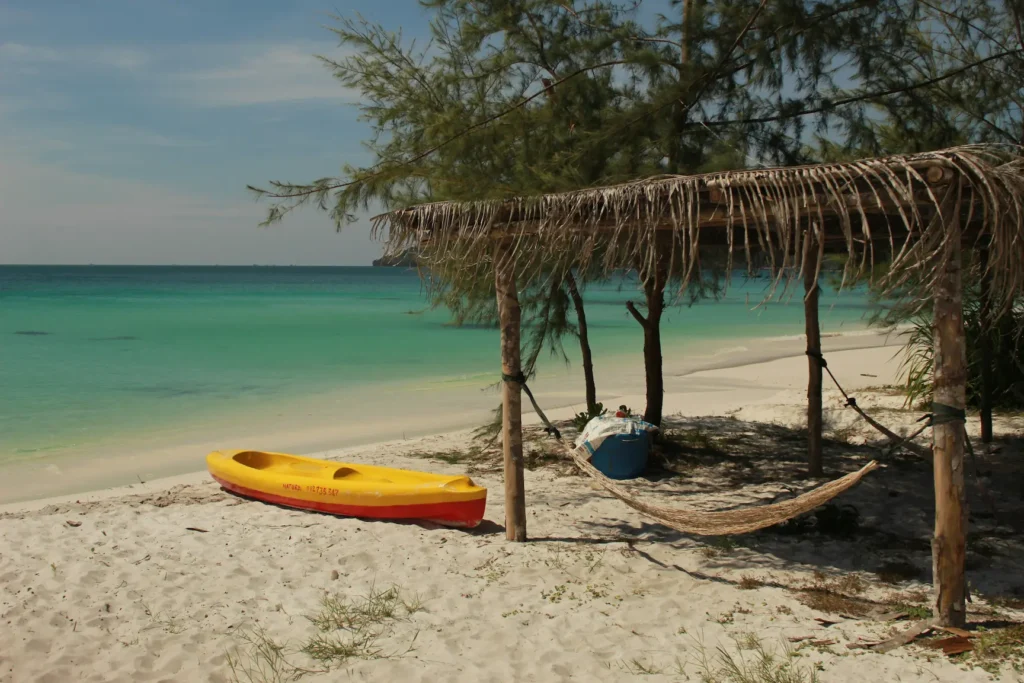
  • Sihanoukville and Islands: Beaches at Koh Rong, Koh Rong Samloem
  • Kampot and Kep: Riverside relaxation, pepper plantations, seafood
  • Tonle Sap Lake: Floating villages showcasing unique lifestyles

Cambodia’s Strength: Unparalleled ancient temples and concentrated cultural experiences. You can see Cambodia’s major highlights in 7-10 days.

👉 Read More: Siem Reap Cambodia Travel 2025: Ultimate Guide to Angkor’s Gateway

Ha Long Bay | Vietnam

Vietnam’s Diverse Attractions

Vietnam’s 3,200-kilometer length creates incredible geographic diversity, from mountainous north to Mekong Delta south.

Northern Vietnam:

  • Hanoi: Colonial Old Quarter, Temple of Literature, water puppets
  • Ha Long Bay: 1,600 limestone islands creating ethereal seascapes
  • Sapa: Terraced rice fields, hill tribe villages, mountain trekking
  • Ninh Binh: “Ha Long Bay on land” with karst formations and rivers

Central Vietnam:

  • Hue: Ancient imperial capital with royal tombs and citadel
  • Hoi An: Perfectly preserved trading port with lantern-lit streets
  • Da Nang: Modern city with beautiful beaches and Marble Mountains
  • Phong Nha-Ke Bang: Spectacular cave systems including world’s largest cave

Southern Vietnam:

  • Ho Chi Minh City: Energetic metropolis blending French and Vietnamese heritage
  • Mekong Delta: Floating markets, fruit orchards, canal networks
  • Mui Ne: Red sand dunes and kitesurfing beaches
  • Phu Quoc: Island paradise with pristine beaches

Vietnam’s Strength: Extraordinary geographic diversity requiring longer visits (2-3 weeks minimum to see highlights). Perfect for travelers seeking varied landscapes and experiences.

👉 Read More: Where to Travel to in Vietnam: 10 Places You Should Not Miss

Attractions Winner

Depends on priorities:

  • Choose Cambodia if you’re passionate about ancient history, temples, and want a focused cultural experience
  • Choose Vietnam if you want geographic diversity, beaches, mountains, cities, and varied experiences
  • Choose both if possible—they complement each other perfectly
Vietnam Street Food

Food Culture: Vietnam vs Cambodia Cuisine

Food represents a highlight of any Southeast Asian journey. The Vietnam vs Cambodia culinary comparison reveals Vietnam as the clear winner for food-focused travelers, though Cambodia offers its own delicious discoveries.

Vietnamese Cuisine

Vietnamese food ranks among the world’s finest cuisines, celebrated globally for fresh ingredients, balanced flavors, and French influences creating unique fusion.

Iconic Vietnamese Dishes:

  • Pho: Aromatic beef or chicken noodle soup, Vietnam’s national dish
  • Banh Mi: French baguette stuffed with meats, pate, vegetables, herbs
  • Bun Cha: Grilled pork with noodles, herbs, and dipping sauce (Hanoi specialty)
  • Cao Lau: Unique Hoi An noodles with Japanese and Chinese influences
  • Banh Xeo: Crispy turmeric crepes filled with pork, shrimp, bean sprouts
  • Com Tam: Broken rice with grilled meats (southern specialty)
  • Fresh Spring Rolls: Rice paper rolls with shrimp, pork, herbs, peanut sauce
  • Vietnamese Coffee: Strong coffee with condensed milk served hot or iced

Regional Diversity: Vietnamese cuisine varies dramatically by region. Northern food is subtle and herb-focused, central Vietnam is spicy, southern cuisine is sweeter with coconut. This regional diversity means you constantly discover new flavors while traveling.

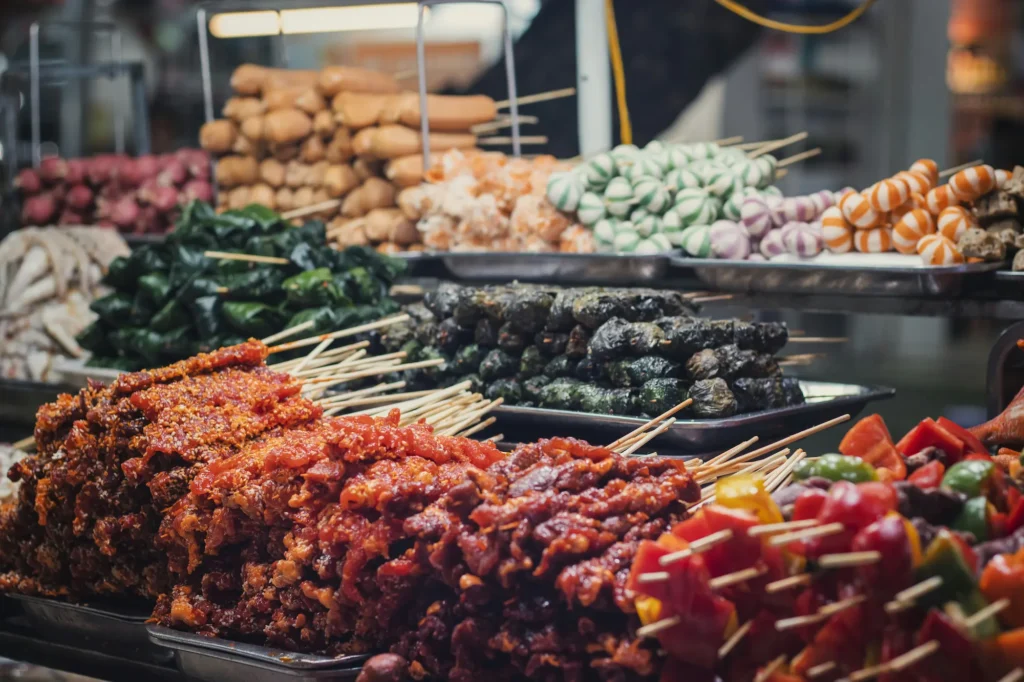
Street Food Culture: Vietnam’s street food scene is legendary. Every corner offers food stalls serving specialized dishes. The quality, variety, and authentic experience of eating alongside locals makes Vietnamese street food unmissable.

Coffee Culture: Vietnamese coffee culture is exceptional. Cafes range from traditional street-side setups to trendy third-wave establishments. The coffee itself—strong robusta beans with condensed milk—is addictive.

Cambodian Cuisine

Cambodian food is delicious and underappreciated internationally. While less famous than Vietnamese cuisine, it offers unique flavors influenced by Thai, Vietnamese, and Chinese traditions with distinct Khmer characteristics.

Signature Cambodian Dishes:

  • Amok: Coconut curry steamed in banana leaves (fish, chicken, or tofu)
  • Lok Lak: Stir-fried marinated beef with rice and tangy dipping sauce
  • Nom Banh Chok: “Khmer noodles”—fresh rice noodles with curry sauce
  • Bai Sach Chrouk: Grilled pork over broken rice (breakfast staple)
  • Kuy Teav: Noodle soup with pork or seafood
  • Prahok: Fermented fish paste (strong flavor, essential ingredient)
  • Lap Khmer: Lime-marinated beef salad with herbs
  • Num Pang: Cambodian sandwich similar to banh mi

Cambodian Cuisine Characteristics: Khmer food emphasizes fermented flavors (prahok), coconut milk, kroeung (curry paste), and fresh herbs. It’s generally less spicy than Thai cuisine and more subtle than Vietnamese food.

Food Scene Development: Cambodia’s restaurant and street food scene is less developed than Vietnam’s, though it’s rapidly improving. Phnom Penh and Siem Reap now host excellent restaurants showcasing traditional Khmer cuisine with modern presentations.

Food Winner

Vietnam wins decisively for food-focused travelers. The diversity, accessibility, international recognition, and sheer quality of Vietnamese cuisine surpasses Cambodia. However, Cambodia offers wonderful culinary discoveries that shouldn’t be dismissed—it’s just less developed and diverse than Vietnam’s exceptional food culture.

👉 Read More: Best Street Food in Hanoi: Your Ultimate Guide to Vietnam’s Culinary Capital in 2026

Culture and People: Vietnam vs Cambodia

Cultural experiences deeply influence travel memories. The Vietnam vs Cambodia cultural comparison reveals distinct characteristics shaped by different histories.

Vietnamese Culture

Cultural Characteristics:

  • Energetic, fast-paced, entrepreneurial spirit
  • Strong work ethic and business acumen
  • Pride in overcoming historical adversity
  • Complex blend of Chinese, French, and indigenous influences
  • More reserved initially but warm once connection established
  • Urban-rural divide creates cultural variety

Historical Context: Vietnam’s recent history of conflict (French colonialism, American War, Chinese conflicts) has forged resilience and determination. The rapid economic development since doi moi (renovation) reforms created dynamic, forward-looking culture while maintaining traditional values.

Religious and Spiritual Life: Vietnamese practice a syncretic mix of Buddhism, Confucianism, Taoism, and ancestor worship. Temples, pagodas, and family shrines are central to daily life. The cultural calendar follows lunar cycles with festivals like Tet (New Year) being transformative experiences.

Social Dynamics: Vietnamese society values family, education, and hard work. The concept of “face” (prestige and reputation) influences social interactions. Coffee culture and communal dining create social cohesion.

Cambodian Culture

Cultural Characteristics:

  • Gentle, friendly, remarkably warm hospitality
  • More relaxed pace of life compared to Vietnam
  • Profound resilience despite recent traumatic history
  • Strong Buddhist influences on daily life and worldview
  • Traditional values persist more strongly than Vietnam
  • Genuine smiles and helpful nature toward visitors

Historical Impact: The Khmer Rouge genocide (1975-1979) killed an estimated 1.7-2 million Cambodians—nearly 25% of the population. This recent tragedy profoundly impacts modern Cambodia. Despite this horror, Cambodians demonstrate extraordinary resilience and forgiveness. Understanding this context deepens appreciation for the culture’s strength.

Religious Life: Theravada Buddhism deeply influences Cambodian life. Monks are highly respected, temples serve as community centers, and Buddhist principles guide behavior. Witnessing morning alms-giving or temple ceremonies provides insight into spiritual life.

Social Fabric: Cambodian culture emphasizes harmony, respect for elders, and community. The concept of “saving face” matters, and confrontation is avoided. Traditional arts (classical dance, shadow puppets, circus) are experiencing revival after Khmer Rouge decimation.

Cultural Experience Winner

Tie—they offer different but equally valuable experiences:

  • Choose Vietnam for energetic urban culture, diverse regional differences, and more developed arts scene
  • Choose Cambodia for gentler pace, deeper Buddhist cultural immersion, and profound historical lessons
  • Both countries offer warm hospitality and meaningful cultural connections

Safety Comparison: Vietnam vs Cambodia

Safety concerns influence many travelers’ destination choices. In the Vietnam vs Cambodia safety comparison, both countries are generally safe, though they present different considerations.

Vietnam Safety

Overall Assessment: Vietnam is very safe for tourists. Violent crime against travelers is rare. The biggest risks are traffic accidents, petty theft, and tourist scams.

Common Safety Concerns:

  • Traffic: The chaotic traffic in cities like Hanoi and Ho Chi Minh City is genuinely dangerous for pedestrians and motorbike riders. Crossing streets requires courage and technique.
  • Petty Theft: Bag snatching and pickpocketing occur in tourist areas. Keep valuables secured and remain vigilant.
  • Scams: Overcharging, taxi scams, and tourist traps exist. Use metered taxis, Grab app, and research fair prices.
  • Motorbike Safety: Motorbike accidents are the leading cause of tourist injuries. If renting bikes, wear helmets and drive defensively.

Solo Female Travel: Vietnam is generally safe for solo female travelers. Harassment levels are low compared to many countries. Standard precautions apply—avoid walking alone late at night in unlit areas, watch drinks, and trust instincts.

Cambodia Safety

Overall Assessment: Cambodia is safe for tourists with some regional variations. Tourist areas maintain good security, though infrastructure and emergency services are less developed than Vietnam.

Common Safety Concerns:

  • Petty Crime: Bag snatching from motorcycles is the primary crime affecting tourists, especially in Phnom Penh. Hold bags tightly and avoid wearing them on the roadside shoulder.
  • Traffic Safety: Roads are less maintained than Vietnam, and traffic rules are loosely followed. Use reputable bus companies for intercity travel.
  • Land Mines: Rural areas, particularly near the Thai border, still contain unexploded ordnance. Stick to marked paths and established routes. Tourist areas are completely safe.
  • Drinking Water and Health: Water-borne illnesses are more common. Stick to bottled water religiously.

Solo Female Travel: Cambodia is safe for solo female travelers. The culture is generally respectful, and women traveling alone are common. Take standard precautions, dress modestly at temples, and avoid excessive alcohol consumption.

Safety Winner

Slight edge to Vietnam for better infrastructure, emergency services, and road conditions. However, both countries are safe with sensible precautions. Neither should be eliminated based on safety concerns.

Transportation

Transportation and Infrastructure: Getting Around

Transportation infrastructure significantly affects travel ease and time efficiency. Vietnam maintains superior infrastructure in the Vietnam vs Cambodia comparison.

Vietnam Transportation

Domestic Flights: Multiple airlines (Vietnam Airlines, VietJet, Bamboo Airways) offer affordable connections between major cities. Flying saves time on long distances (Hanoi to Ho Chi Minh City takes 2 hours vs. 30+ hours by bus).

Trains: Vietnam’s railway system connects major destinations from north to south. Sleeper trains offer atmospheric travel experiences, particularly the Hanoi-Sapa route and Reunification Express (Hanoi-Ho Chi Minh City). Quality ranges from basic to comfortable.

Buses: Excellent bus networks connect all tourist destinations. Companies like Phuong Trang (Futa Bus Lines), Mai Linh, and Sinh Tourist offer comfortable coaches with onboard amenities. Open bus tickets allow flexible hopping between destinations.

Local Transport: Cities have metered taxis, Grab (like Uber), motorbike taxis, and in Hanoi, some public buses. Most tourists use Grab for reliability and transparent pricing.

Motorbike Rental: Renting motorbikes is popular and affordable ($5-10 daily). Famous routes include Ha Giang Loop and Hai Van Pass. However, accidents are common—only experienced riders should attempt.

Infrastructure Quality: Roads are generally good, especially major highways. Tourist areas have solid infrastructure with clear signage and services.

Cambodia Transportation

Domestic Flights: Limited domestic flight options primarily connect Phnom Penh with Siem Reap. Useful for time-pressed travelers but not essential given the country’s smaller size.

Buses: Reliable bus companies (Giant Ibis, Mekong Express, Virak Buntham) connect major destinations. Buses are comfortable and affordable, though journey times can be long due to road conditions.

Boat Travel: Scenic boat routes include Siem Reap to Battambang (seasonal) and to Koh Rong islands. These offer unique perspectives on Cambodian life.

Local Transport: Tuk-tuks dominate local transportation. Negotiate prices beforehand or use PassApp (Cambodia’s Grab equivalent) in Phnom Penh and Siem Reap. Motorcycle taxis are common but less safe.

Infrastructure Quality: Road quality varies significantly. Main routes between tourist destinations are decent, but rural roads can be rough. Distances are shorter than Vietnam, so less time is spent in transit overall.

Transportation Winner

Vietnam offers superior infrastructure with more options, better roads, and developed networks. However, Cambodia’s smaller size means you spend less total time traveling despite less developed infrastructure. For ease of movement and comfort, Vietnam wins. For time efficiency given size, Cambodia wins.

Best Time to Visit: Vietnam vs Cambodia

Timing your visit affects weather experiences significantly. Both countries have tropical climates with distinct seasons.
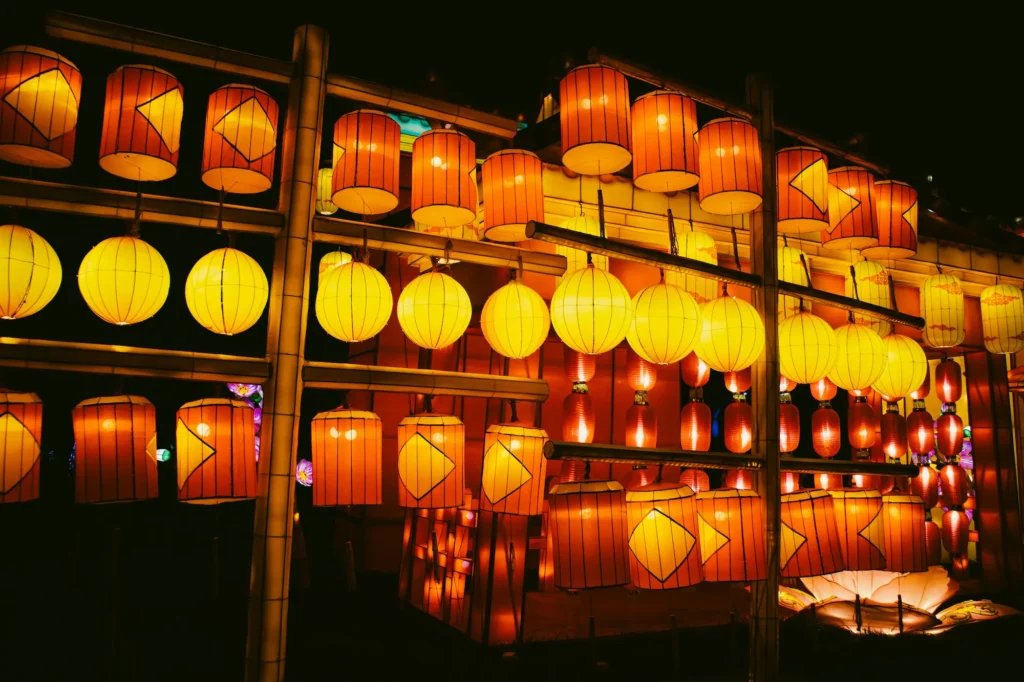
Full Moon Festival | Vietnam

Vietnam Climate

Vietnam’s length creates diverse weather patterns. Understanding regional seasons is crucial:

Northern Vietnam (Hanoi, Ha Long Bay, Sapa):

  • Best: October-April (cool, dry season)
  • November-March: Cool to cold (Sapa can be near freezing)
  • May-September: Hot, humid with heavy summer rains
  • Sapa: October-November for harvest; March-May for planting

Central Vietnam (Hue, Hoi An, Da Nang):

  • Best: February-May (dry, moderate temperatures)
  • June-August: Very hot but manageable
  • September-January: Monsoon season with heavy rains and typhoons (especially October-November)

Southern Vietnam (Ho Chi Minh City, Mekong Delta, Phu Quoc):

  • Best: November-April (dry season)
  • May-October: Wet season with afternoon rains
  • Generally hot year-round (28-35°C)

Overall Best Time for Vietnam: November-April offers the most consistent weather across regions, though it’s impossible to have perfect weather everywhere simultaneously.

👉 Read More: Best Time of Year to Travel Vietnam: Weather, Seasons & Festivals (2026)

Koh Rong Beach | Cambodia

Cambodia Climate

Cambodia has more straightforward seasons with consistent weather nationwide:

Cool/Dry Season (November-February):

  • Best time to visit with comfortable temperatures (20-30°C)
  • Clear skies perfect for temple exploration
  • Peak tourist season with higher prices
  • December-January are coolest months

Hot Season (March-May):

  • Very hot temperatures (30-40°C)
  • Still dry but uncomfortable for midday activities
  • Fewer tourists and better accommodation deals
  • Good for early morning temple visits

Rainy Season (June-October):

  • Afternoon rain showers (mornings often clear)
  • Lush, green countryside
  • Lowest prices and minimal crowds
  • Some remote roads become impassable
  • September-October have heaviest rainfall

Overall Best Time for Cambodia: November-February provides ideal conditions, though the shoulder seasons (March and October-November) offer good value with acceptable weather.

👉 Read More: Best Time to Visit Cambodia 2026: Month-by-Month Weather & Crowds

Best Time Winner

Tie—depends on your priorities. Both countries shine during November-April. Cambodia’s more consistent weather nationwide makes planning simpler. Vietnam’s diverse climates mean some region will have good weather year-round, but perfect conditions everywhere simultaneously are impossible.

Itinerary and Time Requirements

How much time you have significantly influences the Vietnam vs Cambodia decision.

Cambodia Time Requirements

7-10 Days: Sufficient for Cambodia’s highlights

  • 3-4 days: Siem Reap (Angkor temples)
  • 2 days: Phnom Penh
  • 2 days: Battambang or beach destination
  • 1-2 days: Travel between destinations

2 Weeks: Comfortable pacing with relaxation

  • 4-5 days: Siem Reap with surrounding temples
  • 2-3 days: Phnom Penh with Killing Fields
  • 2-3 days: Battambang
  • 3-4 days: Southern beaches (Koh Rong, Kampot)

Cambodia’s Advantage: The compact size and concentrated attractions mean you can experience Cambodia’s essence in one week, making it perfect for shorter vacations.

Vietnam Time Requirements

2 Weeks: Minimum for north-to-south highlights (rushed)

  • 3-4 days: Hanoi and Ha Long Bay
  • 2-3 days: Hoi An
  • 2 days: Ho Chi Minh City
  • 2-3 days: Mekong Delta or beach time
  • Travel days between destinations

3 Weeks: Comfortable pace for major highlights

  • 5-6 days: Northern Vietnam (Hanoi, Ha Long Bay, Sapa)
  • 4-5 days: Central Vietnam (Hue, Hoi An, Da Nang)
  • 4-5 days: Southern Vietnam (Ho Chi Minh City, Mekong Delta)
  • 3-4 days: Beach relaxation (Mui Ne or Phu Quoc)

Vietnam’s Challenge: The country’s length requires significant travel time. Rush through and you’ll spend more time on buses than exploring. Vietnam truly rewards longer visits.

[Link to: Complete Vietnam 3-Week Itinerary]

Time Requirements Winner

Cambodia wins for time efficiency. You can thoroughly experience Cambodia in 7-10 days. Vietnam demands 2-3 weeks minimum to do justice to its diversity. If you have limited vacation time, Cambodia delivers a complete experience more efficiently.

Combining Vietnam and Cambodia

Many travelers wonder whether visiting both countries in one trip makes sense. The answer: absolutely, and it’s easier than you think.

Why Combine Them

Complementary Experiences: Vietnam provides diverse landscapes, food culture, and modern development. Cambodia offers unparalleled ancient temples, gentler pace, and different cultural perspective. Together, they create a comprehensive Southeast Asian experience.

Geographic Proximity: The countries share a long border with multiple crossing points. Travel between them is straightforward and affordable.

Visa Convenience: Both countries offer simple visa processes. Cambodia provides visa-on-arrival or e-visa. Vietnam offers e-visa for most nationalities.

Option 1: South to North Route

  • Start: Ho Chi Minh City, Vietnam (3 days)
  • Mekong Delta, Vietnam (2 days)
  • Cross to Phnom Penh, Cambodia (2-3 days)
  • Battambang, Cambodia (2 days)
  • Siem Reap, Cambodia (3-4 days)
  • Border to Pakse/4000 Islands, Laos OR return to Vietnam
  • Central Vietnam: Hoi An, Hue (4-5 days)
  • Northern Vietnam: Hanoi, Ha Long Bay (4-5 days)

Option 2: Classic Circuit

  • Start: Hanoi, Vietnam (2-3 days)
  • Ha Long Bay, Vietnam (1-2 days)
  • Fly to Ho Chi Minh City (3 days)
  • Mekong Delta (2 days)
  • Bus to Phnom Penh, Cambodia (2 days)
  • Siem Reap, Cambodia (3-4 days)
  • Optional: Battambang or beaches (3-4 days)

Border Crossings

Popular Crossings:

  • Moc Bai/Bavet: Between Ho Chi Minh City and Phnom Penh (most common)
  • Xa Mat/Trapeang Phlong: Alternative Ho Chi Minh City-Phnom Penh route
  • Tinh Bien/Phnom Den: Chau Doc (Mekong Delta) to Takeo
  • Ha Tien/Prek Chak: Southern coastal crossing

Crossing Tips:

  • Obtain visas beforehand (e-visa) for smoothest experience
  • Use reputable bus companies that handle border procedures
  • Prepare for 2-4 hours at busy crossings
  • Keep passport and visa documents accessible
  • Ignore touts offering “faster” service for fees
Visa Requirement | South East Asia

Practical Considerations: Vietnam vs Cambodia

Visa Requirements

Vietnam: E-visa available for most nationalities ($25, 30 days single entry, 90 days multiple entry available). Apply online 3-4 days before travel. Some nationalities enjoy visa exemptions for short stays.

Cambodia: Visa-on-arrival at airports and land borders ($30, 30 days) or e-visa online ($36 including fees). One of Southeast Asia’s easiest visa processes.

Winner: Cambodia—slightly simpler and can be obtained on arrival.

English Proficiency

Vietnam: English is widely spoken in tourist areas, less so in rural regions. Younger Vietnamese generally speak better English than older generations. Translation apps are helpful.

Cambodia: English is widely spoken, often better than Vietnam due to NGO presence and international education initiatives. Communication is generally easier for English speakers.
Winner: Cambodia—slightly better English overall.

Internet and Connectivity

Vietnam: Excellent internet infrastructure with fast speeds in cities. Local SIM cards ($5-15) provide generous data. WiFi available in virtually all accommodations and cafes.

Cambodia: Good internet in tourist areas, less reliable in rural regions. SIM cards are affordable ($5-15) with decent data packages. WiFi standard in accommodations.

Winner: Vietnam—better overall infrastructure and speeds.

Tourist Infrastructure

Vietnam: Well-developed tourism sector with tours, guides, and services readily available. More commercialized, which means more convenience but less authenticity in some areas.

Cambodia: Growing tourism infrastructure that’s sufficient for comfortable travel but less developed than Vietnam. This creates a more authentic feel in some regions.

Winner: Vietnam—better developed infrastructure means easier independent travel.

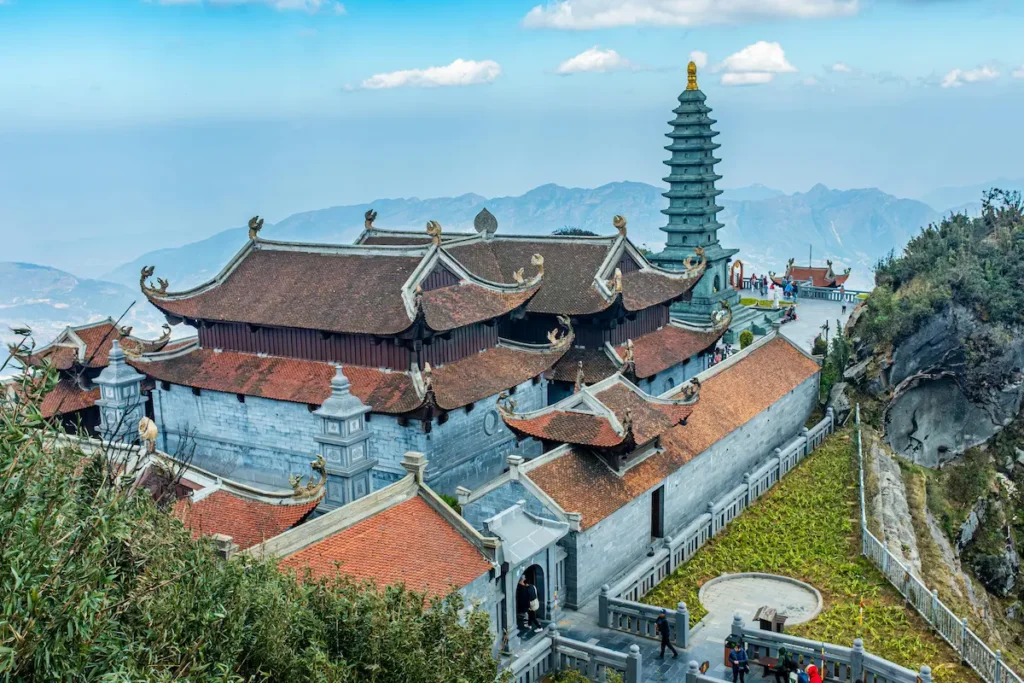
SAPA Valley | Vietnam

Who Should Visit Vietnam?

Choose Vietnam if you:

  • Have 2-3 weeks or more for travel
  • Want diverse experiences (beaches, mountains, cities, countryside)
  • Are a serious foodie wanting exceptional culinary experiences
  • Enjoy fast-paced, energetic environments
  • Want well-developed tourism infrastructure
  • Love photography (incredibly photogenic landscapes)
  • Prefer variety over depth in a single destination
  • Want to explore different regions with distinct characteristics

👉 Read More: Hoi An Ancient Town Walking Guide: Hidden Corners and Photo Spots for 2026

Who Should Visit Cambodia?

Choose Cambodia if you:

  • Have 7-10 days for your trip
  • Are passionate about ancient history and temples
  • Prefer slower-paced, more relaxed travel
  • Want deeper cultural immersion in one place
  • Travel on a tight budget
  • Appreciate resilient cultures with profound histories
  • Seek gentler, more laid-back atmosphere
  • Want concentrated experiences without constant travel

👉 Read More: Travel to Phnom Penh Cambodia: Your Complete Guide to Exploring Cambodia’s Vibrant Capital

Frequently Asked Questions (FAQ)

Which is better for first-time visitors, Vietnam or Cambodia?

For first-time Southeast Asia visitors, Vietnam edges ahead due to superior infrastructure, diversity of experiences, and iconic attractions recognizable worldwide (Ha Long Bay, Hoi An). However, Cambodia works beautifully for first-timers with limited time who want a focused, less overwhelming introduction to the region. If visiting only one country, Vietnam offers more diverse experiences. If you have just one week, Cambodia provides a more complete experience of one country.

Is Vietnam or Cambodia cheaper to visit?

Cambodia is slightly cheaper overall, particularly for accommodation and daily expenses. You might save $5-10 daily in Cambodia compared to Vietnam. However, both countries are extremely affordable by Western standards, and the difference won’t significantly impact most travelers’ budgets. Vietnam offers better value for food diversity and transportation infrastructure, while Cambodia wins for accommodation and overall cost of living.

Can I visit both Vietnam and Cambodia in 2 weeks?

Yes, but it will be rushed. Two weeks allows you to see highlights of both countries but requires strategic planning and accepting you’ll miss many attractions. A better approach: spend 2 weeks thoroughly exploring one country, then return later for the other. If you insist on both in 2 weeks, focus on southern Vietnam (Ho Chi Minh City, Mekong Delta) and Cambodia (Phnom Penh, Siem Reap), which are geographically close and easily connected.

Which country has better beaches, Vietnam or Cambodia?

Vietnam has better beaches overall. Vietnam’s 3,200-kilometer coastline offers diverse beach destinations including Nha Trang, Mui Ne, Phu Quoc, Con Dao, and Da Nang. The beaches are more developed with better infrastructure. Cambodia’s beaches (Sihanoukville islands like Koh Rong and Koh Rong Samloem) are beautiful and less developed, offering a more rustic experience. Choose Vietnam for beach variety and quality; choose Cambodia for more remote, undeveloped island vibes.

Is the food better in Vietnam or Cambodia?

Vietnam has superior food culture. Vietnamese cuisine is internationally recognized, incredibly diverse, and offers regional variations that make every destination culinarily distinct. The street food scene is legendary. Cambodia has delicious food that’s underrated internationally, but it lacks Vietnam’s diversity and international recognition. For serious food lovers, Vietnam is the clear choice, though you’ll eat very well in Cambodia too.

Which is safer, Vietnam or Cambodia?

Both countries are generally safe for tourists. Vietnam has slightly better infrastructure and emergency services. Cambodia presents some specific challenges (bag snatching in Phnom Penh, land mine risks in remote rural areas). For solo female travelers, both are safe with standard precautions. Neither country should be eliminated based on safety concerns—both are safer than many travelers initially expect.

How long should I spend in each country?

Vietnam: Minimum 2 weeks for highlights, ideally 3 weeks for comfortable pacing, 4+ weeks to explore deeply. The country’s length demands time.
Cambodia: 7-10 days covers major attractions comfortably, 2 weeks allows relaxed pacing with beach time.
These timelines ensure you actually experience each country rather than just rushing through.

Can I travel overland between Vietnam and Cambodia?

Yes, absolutely. Multiple land border crossings connect the countries, with buses running regularly between major cities. The most common route is Ho Chi Minh City to Phnom Penh (6-7 hours by bus). Border crossings are straightforward with proper visas. Many travelers easily combine both countries in one overland trip, adding Laos to create a comprehensive Southeast Asian journey.

Which country is better for solo travelers?

Both countries are excellent for solo travelers with established backpacker trails, social hostels, and communities of travelers. Vietnam offers more diverse experiences and slightly better infrastructure, making independent navigation easier. Cambodia provides a gentler introduction with smaller size and less overwhelming atmosphere. Solo female travelers find both safe with appropriate precautions. Neither has a significant advantage—choose based on your interests rather than solo travel considerations.

What’s the best route for visiting both countries?

The most logical route follows one of these paths:
South to North: Ho Chi Minh City → Mekong Delta → Phnom Penh → Siem Reap → Central Vietnam (Hoi An/Hue) → Hanoi → Ha Long Bay
North to South: Hanoi → Ha Long Bay → Fly to Ho Chi Minh City → Mekong Delta → Cambodia (Phnom Penh/Siem Reap) → Return or continue to Thailand
Most travelers prefer starting in Vietnam (either north or south) due to better international flight connections, then moving to Cambodia before finishing in Thailand or returning home. This creates efficient routing without backtracking.

Koh Rong Beach | Cambodia

The Verdict: Vietnam vs Cambodia—Which Should You Choose?

After this comprehensive Vietnam vs Cambodia comparison, the verdict is clear: there’s no universal winner. The right choice depends entirely on your circumstances, interests, and travel style.

Choose Vietnam if:

  • You have 2-3+ weeks for travel
  • You want maximum diversity in landscapes and experiences
  • Food culture is a primary travel motivation
  • You enjoy fast-paced, energetic environments
  • Beach destinations are important to your trip
  • You want well-developed infrastructure making independent travel easy

Choose Cambodia if:

  • You have 7-10 days for your trip
  • Ancient temples and history fascinate you
  • You prefer slower-paced, deeply cultural experiences
  • Budget is your primary concern
  • You want to truly “know” one place rather than seeing many places
  • You appreciate resilient cultures with profound, recent histories

Choose Both if:

  • You have 3-4 weeks available
  • You want comprehensive Southeast Asian experience
  • You enjoy contrasting diverse destinations
  • Your budget allows for longer travel
  • You want to maximize your time in Southeast Asia

The truth is, both Vietnam and Cambodia are extraordinary destinations that offer transformative travel experiences. Vietnam provides incredible diversity packed into one country—mountains, beaches, cities, and culture. Cambodia offers unparalleled ancient temples and warm hospitality in a more compact, manageable package.

Many travelers regret having to choose between them. If possible, visit both. They complement each other beautifully, together creating a richer, more complete understanding of Southeast Asian culture, history, and resilience.

Make Your Decision and Start Planning

Still torn between Vietnam vs Cambodia? Here’s the final advice: go with your gut feeling. Which country excited you most while reading this guide? Which attractions made you think “I need to see that”? That instinctive reaction usually indicates the right choice for you.

Remember, this isn’t a permanent decision. Southeast Asia isn’t going anywhere. Visit one country now, and return for the other later. Many travelers find their first Southeast Asian adventure creates an addiction that brings them back repeatedly.

The most important thing isn’t which country you choose—it’s that you actually go. Both Vietnam and Cambodia will challenge you, inspire you, feed you incredibly well, and create memories lasting a lifetime.

Your Next Steps

Ready to book your Southeast Asian adventure? Here’s how to proceed:

  1. Set your travel dates based on optimal weather for your chosen destination
  2. Book international flights to either Hanoi/Ho Chi Minh City (Vietnam) or Phnom Penh/Siem Reap (Cambodia)
  3. Research visa requirements and apply for e-visas before departure
  4. Arrange travel insurance covering Southeast Asia (essential!)
  5. Book first few nights’ accommodation in your arrival city
  6. Create flexible itinerary allowing for spontaneous changes
  7. Join online communities for real-time tips from current travelers
  8. Pack appropriately considering climate and cultural norms

Subscribe to our newsletter for detailed destination guides, packing lists, budget breakdowns, and insider tips for both Vietnam and Cambodia. Join our community of Southeast Asia travelers sharing experiences, advice, and inspiration!

👉 Read More: Ultimate South East Asia Travel: Where to Go in 2026 — Month-by-Month Guide

Share your experience! Have you visited Vietnam, Cambodia, or both? Share your insights in the comments below to help future travelers make their decision. Your firsthand experience could be exactly what someone needs to hear!

Save this guide to your Southeast Asia or Travel Planning Pinterest boards. Share it with friends who are planning their own adventures and can’t decide between these two incredible countries.

Final Thoughts: Trust Your Journey

The Vietnam vs Cambodia debate will continue among travelers for years to come, with passionate advocates on both sides. The beautiful truth is that both countries are magical in their own ways. Vietnam dazzles with diversity and energy. Cambodia captivates with ancient temples and resilient spirit.

Whichever you choose, approach your journey with openness, respect, and curiosity. Southeast Asia has a way of exceeding expectations and creating experiences far more meaningful than any guidebook can convey.

Your adventure awaits. The temples of Angkor are calling. The streets of Hanoi beckon. The beaches of Vietnam glisten in your imagination. The friendly smiles of Cambodian people warm your heart already.

🗺️ Essential Cambodia & Vietnam Resources:

🌏 Combine Your Trip:

Stop debating. Start booking. The journey of a lifetime is waiting.

📧 Need Personalized Help?

Contact us for custom itinerary planning, specific destination questions, budget advice, or any concerns about your Cambodia & Vietnam trip. We respond to every question!

💬 Join the Conversation:

Have questions about this Vietnam vs Cambodia travel guide? Planning a trip and need advice? Share your experiences or ask below—we love helping travelers plan their Vietnam vs Cambodia adventures and respond to every comment.

🔖 Save This Guide:

Bookmark this comprehensive Vietnam vs Cambodia travel guide as your planning resource. Share with fellow travelers exploring Southeast Asia. Your Vietnam vs Cambodia adventure awaits!


Safe travels, and may your Southeast Asian adventure be everything you dream and more!

Last Updated: January 11, 2026

This Southeast Asia travel guide is continuously updated with current information, prices, and travel tips. If you notice outdated information or have suggestions, please let us know in the comments.

Leave a Comment

Your email address will not be published. Required fields are marked *

Scroll to Top