
Dreaming of travelling through Cambodia but unsure where to start? This ancient kingdom rewards adventurous travelers with magnificent temples, pristine beaches, tragic history, and warm hospitality – all at prices that make extended travel genuinely affordable.
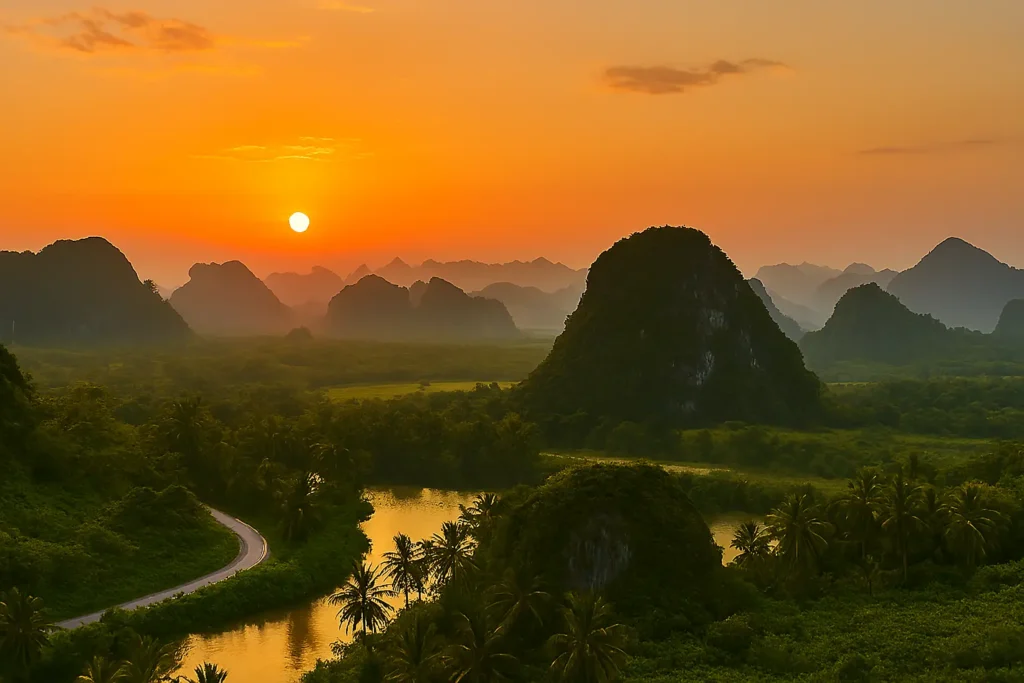
The challenge? Cambodia isn’t Thailand with its polished tourist infrastructure, nor Vietnam with its efficient transportation network. Travelling through Cambodia requires more patience, flexibility, and cultural awareness than its Southeast Asian neighbors. But these very characteristics create authentic experiences mass tourism hasn’t commodified yet.
After years of exploring Cambodia and helping hundreds of travelers navigate its complexities, I’ve distilled everything you need to know into this comprehensive guide. From visa logistics to transportation hacks, cultural etiquette to budget strategies, safety considerations to hidden destinations, you’ll finish reading with confidence to plan your perfect Cambodian journey.
Travelling through Cambodia transforms curious visitors into passionate advocates. Let’s ensure you’re one of them.
Why Travelling Through Cambodia Should Top Your Bucket List
Cambodia surprises first-time visitors with unexpected depth and diversity.
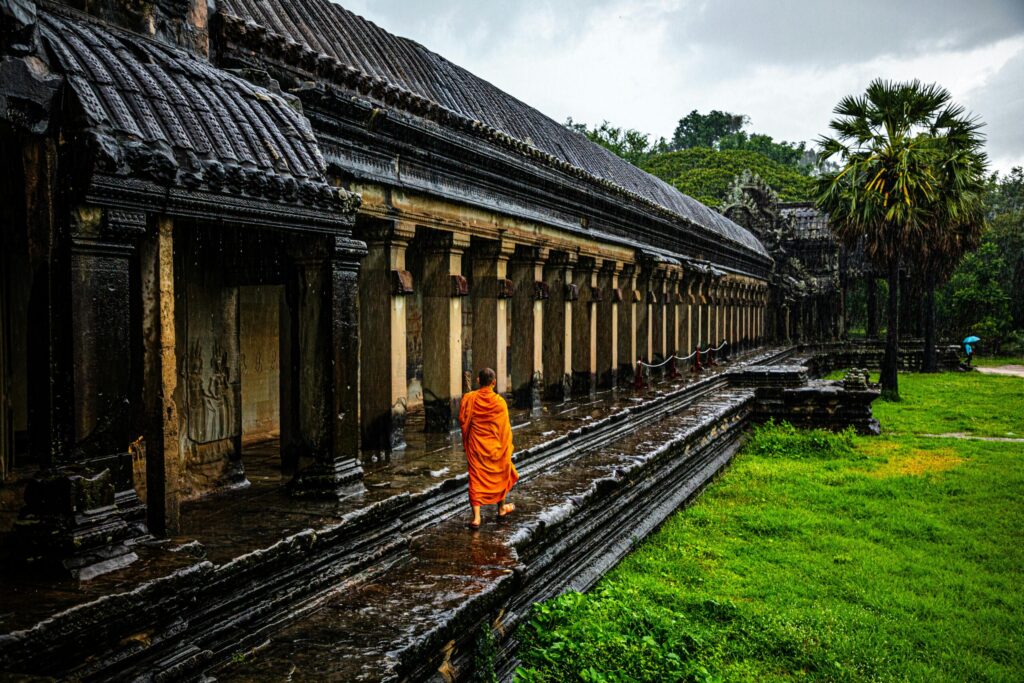
Ancient wonders beyond imagination: Angkor Archaeological Park contains over 1,000 temples spanning five centuries. Angkor Wat alone ranks among humanity’s greatest architectural achievements. These aren’t museum pieces – they’re living monuments still inspiring awe 800+ years after construction.
Affordability that enables extended travel: Your dollar stretches 3-4 times further than Western destinations. Delicious meals cost $2-4. Comfortable hotels run $25-40. Activities rarely exceed $20. This affordability means travelling through Cambodia for weeks or months remains financially feasible for average budgets.
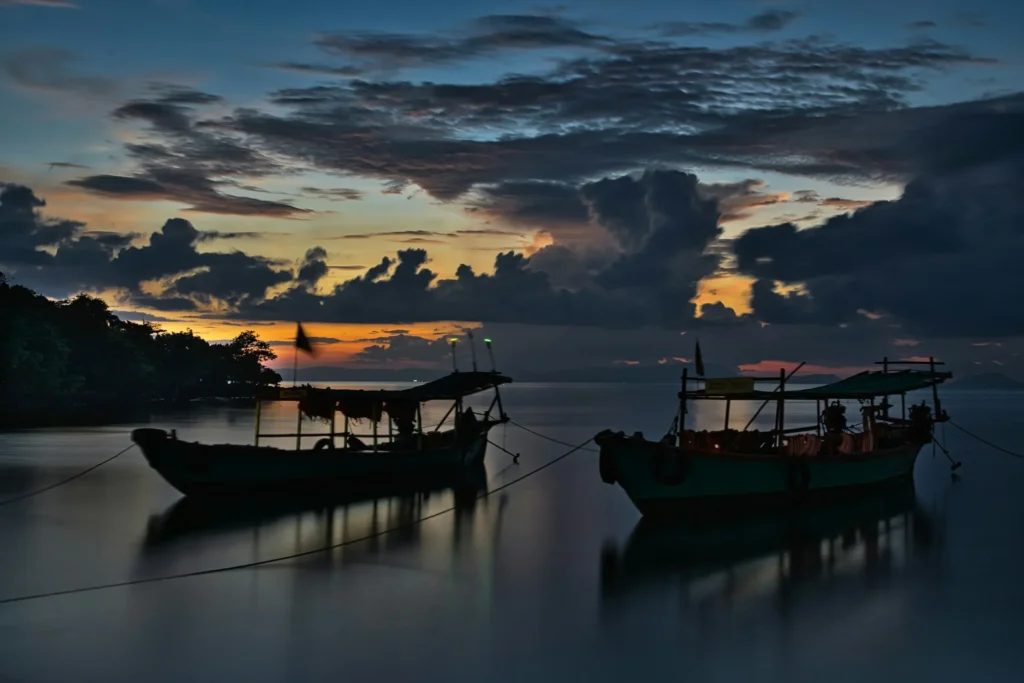
Beaches rivaling Thailand without the crowds: Koh Rong and Koh Rong Sanloem islands offer powder-white sand, crystal-clear water, and bioluminescent plankton – with fraction of tourists mobbing Thai islands. You’ll find the tropical paradise Instagram sells but real life rarely delivers.
Tragic history providing profound perspective: Understanding the Khmer Rouge genocide and Cambodia’s remarkable recovery offers sobering lessons about human resilience, political extremism’s consequences, and the importance of remembering history. These aren’t comfortable museum visits, but essential human experiences.
Warm hospitality defining interactions: Despite enduring unimaginable hardship, Cambodians welcome visitors with genuine warmth. The constant smiles aren’t performative tourism theater – they reflect cultural values and national character. You’ll leave with Cambodian friends, not just Facebook photos.
Emerging destination advantages: Cambodia’s tourism infrastructure exists but mass tourism hasn’t overwhelmed authentic experiences. Visit now before everyone discovers what you’re about to learn.
Cultural richness preserving traditions: Traditional dance, ancient crafts, Buddhist ceremonies, and village life continue largely unchanged by modernity. Travelling through Cambodia reveals Southeast Asia before globalization homogenized everything.
Essential Information Before Travelling Through Cambodia
Master these fundamentals before departure.
Visa Requirements and Entry
Most nationalities require visas for Cambodia.
E-visa (Recommended):
- Cost: $36
- Apply online: evisa.gov.kh
- Processing: 3 business days
- Valid: 30 days, single entry
- Requirements: Passport photo (JPEG), passport scan, credit card
- Receive: Email confirmation (print and present at arrival)
Visa on arrival:
- Cost: $30 at airports and land borders
- Requirements: Passport photo, passport (6+ months validity), exact cash
- Processing: 10-30 minutes depending on queue
- “Processing fees”: Officials sometimes request $5-10 extra (technically corruption but easier to pay than argue)
Extension:
- Available in Phnom Penh: $30-50 for one month
- Agencies handle paperwork for small commission
- Overstaying: $5-10/day fine (officially, sometimes negotiable)
Border crossings: When travelling through Cambodia from neighboring countries:
- Thailand: Poipet (busy, sometimes corrupt), Koh Kong (easier), others
- Vietnam: Bavet/Moc Bai (busiest), multiple Mekong crossings
- Laos: Stung Treng (remote but scenic)
Pro tip: E-visa saves time, eliminates on-arrival pressure, costs only $6 more. Well worth it.
Money and Banking
Currency:
- US Dollar (unofficial second currency, widely preferred)
- Cambodian Riel (KHR) for small amounts
- Exchange rate: $1 USD = approximately 4,000 Riel
- Prices quoted in dollars, change given in Riel
How much cash to bring:
- Initial $300-500 USD
- ATMs widely available except remote areas and small islands
- Withdraw $100-200 at time to minimize $4-5 ATM fees
- Carry small bills ($1, $5, $10) for tips and small purchases
ATM locations:
- Every city and tourist town
- Airports
- NOT on some islands (bring cash before island trips)
- Major banks: ANZ Royal, Canadia Bank, Acleda
Credit cards:
- Accepted: Hotels, upscale restaurants, tour operators
- Fees: 3-4% foreign transaction (most cards)
- Cash needed: Street food, markets, tuk-tuks, small guesthouses, most places
- Get fee-free travel card if making multiple withdrawals
Bargaining culture:
- Markets: Expected (start 50-60% of asking price)
- Tuk-tuks: Always negotiate before departure
- Tours: Some negotiation possible
- Restaurants: Never bargain
- Hotels: Negotiate extended stays or low season
Tipping:
- Not mandatory but appreciated
- Guides: $5-10/day
- Drivers: $3-5/day
- Restaurants: 10% for good service (not expected but nice)
- Tuk-tuk drivers: Round up fare ($1.50 to $2)
- Spa/massage: $1-2
Best Time for Travelling Through Cambodia
Dry Season (November-February): Peak Perfection
Weather:
- Temperature: 70-85°F (21-29°C)
- Humidity: Moderate
- Rain: Minimal to none
- Conditions: Ideal for everything
Crowds:
- Maximum at Angkor temples
- Popular islands book solid
- Advance booking essential
Prices:
- 40-60% higher than low season
- Flights more expensive
- Premium for quality accommodation
Best for:
- First-time visitors
- Families with children
- Those prioritizing weather certainty
- Short trips maximizing limited time
Shoulder Season (March-April, September-October): Value Sweet Spot
March-April:
- Temperature: 85-100°F (29-38°C, very hot)
- Pros: Fewer crowds, 25-35% cheaper, available accommodation
- Cons: Exhausting heat, especially April
- Strategy: Early temple touring (6-9am), rest midday, resume late afternoon
September-October:
- Temperature: 80-90°F (27-32°C)
- Pros: Prices dropping, crowds thinning, landscapes lush
- Cons: Occasional rain, some unpaved roads muddy
- Reality: Rain usually brief afternoon showers, not all-day
Best for:
- Budget travelers tolerating weather trade-offs
- Photographers (dramatic skies, green landscapes)
- Those avoiding peak-season crowds
Rainy Season (May-August): Ultimate Savings
Weather:
- Temperature: 80-90°F (27-32°C)
- Humidity: High
- Rain: Daily afternoon showers (1-3 hours typically)
- Conditions: Morning/evening often dry
Crowds:
- Minimal everywhere
- Empty temples create magical atmosphere
- Locals outnumber tourists
Prices:
- 50-70% off peak season
- Negotiation leverage maximized
- Walk-in deals abundant
Challenges:
- Some remote roads impassable (Mondulkiri, Ratanakiri)
- Island seas rougher
- Occasional boat cancellations
- Higher humidity
Best for:
- Extreme budget travelers
- Extended travelers (weeks/months)
- Those who don’t mind rain
- Photographers (lush, green Cambodia)
Recommended for most: November-December or March-April balances weather, crowds, and costs.
Language and Communication
Khmer (Cambodian language):
- Official language
- Challenging pronunciation
- Different script (looks like artistic squiggles to Westerners)
- Learning basics appreciated
English proficiency:
- Tourist areas: Widely spoken (Siem Reap, Phnom Penh, islands)
- Remote areas: Limited to none
- Young people: Generally better English than older generations
- Hotels/restaurants: Staff usually speak functional English
Essential Khmer phrases:
Greetings:
- Hello: Som reu sdey (som-ree-uh-s’day)
- Thank you: Aw kohn (aw-kuhn)
- You’re welcome: Min ey te (min-ay-tay)
- Goodbye: Lia suhn hao-y (lee-uh-soon-how-y)
Useful phrases:
- Yes: Baht (men) / Jaa (women)
- No: Te (tay)
- How much?: Tlai pon man? (t’lye pon marn?)
- Excuse me: Som toh (som-toh)
- Water: Teuk (tuck)
- Delicious: Ch’ngañ (ch-ngan)
- Help!: Juoy! (ju-oy!)
Numbers 1-10:
- One: Muoy
- Two: Pii
- Three: Bei
- Four: Buon
- Five: Pram
- Six: Pram-muoy
- Seven: Pram-pii
- Eight: Pram-bei
- Nine: Pram-buon
- Ten: Dop
Communication tips when travelling through Cambodia:
- Smile universally translates
- Point at menus/maps when language fails
- Download Google Translate offline (Khmer)
- Photos help communicate needs
- Patience and humor overcome barriers
- Hand gestures work (but avoid pointing with feet – disrespectful)
Cultural Etiquette and Customs
Understanding culture transforms travelling through Cambodia from tourism to cultural exchange.
Temple etiquette:
- Remove shoes before entering
- Cover shoulders and knees (long pants/skirts, sleeved shirts)
- Don’t touch Buddha images
- Don’t point feet toward Buddha
- Sit with feet tucked (not pointing)
- Ask permission before photographing monks
- Women: Never touch monks or hand items directly (place on surface for them to retrieve)
Social customs:
- Greet with slight bow and hands together (som reu sdey gesture)
- Avoid public displays of affection (conservative culture)
- Don’t touch people’s heads (considered sacred)
- Pass items with right hand or both hands (never left alone)
- Remove shoes when entering homes
- Dress modestly outside tourist areas
Photography etiquette:
- Always ask permission for portraits
- Especially respectful with monks and children
- Never photograph military installations
- Be sensitive at historical sites (Killing Fields, S-21)
- Don’t pose disrespectfully with Buddha images
Interacting with monks:
- Highly respected in society
- Stand when monks enter rooms
- Offer seats to monks
- Women: Maintain physical distance, never touch
- Conversations welcome (many monks practice English)
Dress codes:
- Temples: Covered shoulders, knees
- Cities: Casual acceptable
- Beaches: Swimwear appropriate
- Rural areas: More conservative (women especially)
Gestures to avoid:
- Pointing with index finger (use whole hand, palm up)
- Feet pointing at people or Buddha images
- Touching heads
- Public anger/shouting (losing face)
- Disrespecting King or Royal Family (illegal)
Gift-giving:
- If invited to homes: Small gifts appreciated (fruit, sweets)
- For children: School supplies better than candy
- Donations: Give to established organizations, not street beggars
- Orphanages: Many fake; research before supporting
Transportation Options When Travelling Through Cambodia
Getting around efficiently maximizes your experience.
Between Cities and Destinations
Buses (Most Common):
Budget operators:
- Cost: $5-12 most routes
- Comfort: Basic seats, usually AC, variable maintenance
- Operators: Capitol Transport, Phnom Penh Sorya, local companies
- Book: Hotel reception, bus stations, online
Premium operators:
- Cost: $10-18 most routes
- Comfort: Better seats, stronger AC, newer buses, bathrooms, WiFi sometimes
- Operators: Giant Ibis, Mekong Express, Larryta Express
- Book: Online (recommended), offices, hotels
- Worth premium: Absolutely (comfort dramatically better)
Common routes and times:
- Siem Reap ↔ Phnom Penh: 6 hours, $8-15
- Phnom Penh ↔ Sihanoukville: 4-5 hours, $6-12
- Siem Reap ↔ Battambang: 3-4 hours, $6-10
- Phnom Penh ↔ Kampot: 3 hours, $6-10
- Siem Reap ↔ Sihanoukville: 10-12 hours, $15-22 (overnight)
Booking strategy:
- High season: Book 3-7 days ahead
- Low season: Day-before or day-of usually fine
- Premium operators: Book online for reliability
Sleeper buses:
- Cost: $12-25
- Routes: Long distances (Siem Reap ↔ Sihanoukville)
- Comfort: Lie-flat beds (shared for couples, individual for solo)
- Advantage: Saves accommodation cost, arrives early morning
- Disadvantage: Sleep quality variable, arrives inconveniently early
Trains:
- Limited routes but improving
- Phnom Penh ↔ Sihanoukville: 7 hours, $7
- Slow but scenic
- Comfortable enough
- Novelty factor
Domestic Flights:
- Routes: Siem Reap ↔ Sihanoukville (45 min, $50-100)
- Worth it: If time-limited or budget allows
- Airlines: Cambodia Angkor Air, Lanmei Airlines, Bassaka Air
- Book: 2-4 weeks ahead for best prices
Private Taxis:
- Cost: $40-80 per day with driver
- Advantages: Flexibility, comfort, door-to-door, photo stops
- Best for: Groups of 3-4 splitting costs
- Negotiate: Before departure, include all stops
Boats:
- Siem Reap ↔ Battambang: $20-25, 6-8 hours (dry season only, scenic but uncomfortable)
- Sihanoukville ↔ Islands: $18-25 return, 45 minutes (essential for island access)
- Scheduled departures, sometimes cancelled rough seas
Within Cities
Tuk-tuks (Most Common):
Costs:
- Short trips (1-2km): $1-2
- Medium trips (3-5km): $2-3
- Longer trips: $3-5
- Airport transfers: $7-12
- Full day hire: $15-25
Negotiation essential:
- Initial offers 2-3x fair price (especially airports, tourist sites)
- Politely negotiate down
- Agree price before departure
- Walking away often yields best rates
Tips:
- Learn rough distances and fair prices
- Don’t negotiate aggressively over $0.50 differences
- Tip if service exceptional
- Keep driver’s number for return trips
Grab App (Southeast Asian Uber):
- Available: Phnom Penh, Siem Reap
- Costs: Similar to negotiated tuk-tuks but transparent
- Advantages: No negotiation, safety features, cashless option
- Download: Before arrival
- Essential: Data/WiFi connection
Motorbike Taxis (Xe Om):
- Cost: $0.75-2 short trips (cheaper than tuk-tuks)
- Availability: Everywhere
- Safety: Less safe than tuk-tuks (no helmet typically)
- Best for: Solo travelers, short distances
- Not recommended: With luggage, at night, in rain
Walking:
- Best option: Compact areas (Siem Reap Old Market, Phnom Penh Riverside)
- Free: Obviously
- Advantages: Discover hidden spots, exercise, authentic atmosphere
- Challenges: Heat, humidity, limited sidewalks outside tourist areas
- Safety: Generally safe during day, stay aware
Bicycle Rentals:
- Cost: $2-4/day
- Best for: Siem Reap (flat, temple exploring), Battambang (countryside)
- Availability: Most guesthouses, dedicated rental shops
- Condition: Variable; inspect before accepting
- Advantages: Freedom, exercise, eco-friendly, budget-friendly
- Challenges: Heat, traffic, theft risk (use locks)
Motorbike Rentals:
- Cost: $5-8/day (100-125cc typical)
- Requirements: International Driving Permit (IDP) technically required
- Reality: Many rent without IDP (technically illegal)
- Insurance: Rarely available; you’re liable for accidents
- Best for: Experienced riders only
- Traffic: Chaotic by Western standards
- Recommendation: Only if confident in skills and accept risks
Transportation Tips When Travelling Through Cambodia
Book premium buses: $3-5 extra buys dramatically better comfort for 4-12 hour journeys. Always worth it.
Negotiate tuk-tuks before departure: Agree prices explicitly. “How much to [destination]?” clarifies before getting in.
Grab app saves time: Download before arrival. Use whenever available. Eliminates negotiation stress.
Carry small bills: Making change for $10-20 bills often “impossible” for drivers (who want larger tips). Small bills prevent this.
Screenshot maps: Offline access crucial when explaining destinations. Show drivers exact locations.
Allow buffer time: Cambodian “flexible” time means buses leave late, traffic unpredictable, journeys longer than promised. Build cushions for connections.
Overnight buses: Arrive inconveniently early (4-6am). Book accommodation starting previous night or near bus stations for immediate check-in.
Island boats: Check weather forecasts. Rough seas cancel boats or make journeys miserable. Flexible schedules help.
Traffic safety: Cambodia has high accident rates. Premium buses, Grab drivers, and avoiding night travel reduce risks.
Safety Considerations When Travelling Through Cambodia
Cambodia is generally safe but awareness helps.
General Safety
Crime levels:
- Low violent crime against tourists
- Opportunistic theft exists (pickpockets, bag snatching)
- Scams common but rarely dangerous
Safe practices:
- Watch belongings in crowded areas
- Don’t flash expensive items
- Use hotel safes for passports, excess cash
- Avoid unlit areas alone at night
- Trust instincts
Transportation safety:
- Use registered taxis or Grab
- Avoid unmarked vehicles late night
- Check helmet quality if using motorbikes
- Premium buses safer than budget (better maintenance)
- Say no to drunk or reckless drivers
Accommodation security:
- Choose accommodations with good reviews
- Lock doors/windows
- Use provided safes
- Don’t leave valuables visible
- Ground floor riskier than upper floors
Tourist police:
- Dedicated tourist police in major cities
- Siem Reap: 012 402 424
- Phnom Penh: 012 942 484
- Generally helpful
Scams to avoid:
Tuk-tuk “closed” scam:
- Scenario: Driver claims attraction closed, suggests expensive alternative
- Reality: Almost never actually closed
- Response: Walk to entrance yourself, verify independently
Gem scam:
- Scenario: Friendly person explains gem reselling profit opportunity
- Reality: Gems worthless
- Response: Avoid completely
Motorbike rental damage:
- Scenario: Rented bike has pre-existing damage; charged hundreds at return
- Prevention: Photo/video document condition before accepting, note scratches
Charity scams:
- Scenario: Requests for donations to schools, orphanages, hospitals
- Reality: Many fake; money rarely reaches intended recipients
- Response: Donate through established NGOs only
Taxi meter tricks:
- Scenario: Meter “broken” or runs impossibly fast
- Response: Use Grab app or negotiate fixed price before departure
Health and Medical Considerations
Pre-trip preparations:
- Consult travel doctor 6-8 weeks before
- Vaccinations: Hepatitis A & B, Typhoid, Tetanus, Japanese Encephalitis (if rural)
- Malaria prophylaxis: If visiting Mondulkiri, Ratanakiri
- Dengue awareness: No vaccine; prevention via mosquito repellent
Food and water:
- Drink only bottled water (widely available, $0.25-0.50)
- Ice generally safe tourist areas (purified water)
- Street food usually safe (choose busy stalls)
- Avoid raw vegetables questionable establishments
- Peel fruit yourself
Common health issues:
- Traveler’s diarrhea: Usually mild, 1-3 days (bring Imodium)
- Heat exhaustion: Stay hydrated, rest hottest hours
- Sunburn: Relentless sun; SPF 50+ reapply constantly
- Mosquito bites: Use DEET 30%+ repellent dawn/dusk
Medical facilities:
- Major cities: Adequate for minor issues
- Siem Reap/Phnom Penh: International clinics (expensive but quality)
- Remote areas: Basic only
- Serious issues: Evacuation to Bangkok often necessary
Travel insurance:
- Essential when travelling through Cambodia
- Coverage needed: Medical, evacuation, trip cancellation
- Cost: $40-80 for two weeks
- Providers: World Nomads, SafetyWing, Allianz
- Read policy carefully (adventure activities often excluded)
Emergency contacts:
- Ambulance: 119
- Fire: 118
- Police: 117 (or 012 942 484 tourist police)
- Your embassy (save in phone)
Pharmacies:
- Available in cities
- Many medications available without prescription
- Quality variable; stick to reputable pharmacies
- Bring prescriptions for any necessary medications
Specific Safety Concerns
Landmines:
- Legacy of civil war
- Risk: Remote areas off marked paths
- Prevention: Stay on established trails, never touch suspected ordnance
- Reality: Tourist areas completely safe; only issue if trekking remote jungles
Traffic:
- Cambodia has high accident rates
- Motorbikes dominate, rules flexible
- Cross streets carefully (traffic rarely stops)
- Helmets essential if riding
- Avoid driving yourself unless experienced
Political situation:
- Generally stable
- Occasional demonstrations Phnom Penh
- Avoid political gatherings
- Check embassy websites for updates
Solo female travelers:
- Generally safe with normal precautions
- Dress modestly outside tourist areas
- Avoid unlit areas alone at night
- Use registered transportation
- Trust instincts about situations
Accommodation When Travelling Through Cambodia
Where you sleep dramatically impacts experiences and budget.
Budget Options ($5-15/night):
Hostels:
- Dorm beds: $5-8
- Private rooms: $12-18
- Facilities: Shared bathrooms, common areas, kitchens sometimes
- Social: Great for solo travelers
- Quality: Variable; read reviews carefully
- Best locations: Siem Reap, Phnom Penh, islands
Basic guesthouses:
- Cost: $8-15 private rooms
- Facilities: Fan or basic AC, shared/private bathroom
- Character: Often family-run, authentic
- English: Variable
- Location: Everywhere
Mid-Range Options ($20-50/night):
3-star hotels:
- Cost: $25-40
- Facilities: AC, hot water, WiFi, often pool, breakfast included
- Quality: Equals Western 4-star often
- Location: Central, convenient
- Best value: Sweet spot for most travelers
Boutique guesthouses:
- Cost: $30-50
- Character: Unique design, personal service
- Size: Smaller, intimate
- Breakfast: Usually included, often excellent
Luxury Options ($60-200+/night):
4-star hotels:
- Cost: $60-100
- Facilities: Multiple restaurants, spa, business center
- International standards
- Service: Excellent
5-star resorts:
- Cost: $100-250+
- Facilities: Everything imaginable
- Locations: Often secluded or beachfront
- Experience: World-class
Booking strategies:
High season:
- Book 4-8 weeks ahead Siem Reap, islands
- Prices firm
- Popular places sell out
Low season:
- Book 3-7 days ahead sufficient
- Walk-ins often better deals
- Negotiate aggressively (30-50% off)
Platforms:
- Booking.com and Agoda dominate
- Compare prices
- Direct contact sometimes cheaper (no commission)
Long stays:
- Negotiate weekly/monthly rates (10-30% off)
- Many properties offer discounts for 5+ nights
Food and Dining When Travelling Through Cambodia

Khmer cuisine deserves more recognition than it receives.
Must-try dishes:
Amok: Coconut curry steamed in banana leaves (fish, chicken, or vegetables)
Lok lak: Stir-fried beef with black pepper, lime dipping sauce
Num banh chok: “Khmer noodles” with fish curry or coconut sauce (breakfast favorite)
Bai sach chrouk: Grilled pork with broken rice, pickles (breakfast staple)
Kuy teav: Rice noodle soup (breakfast, but available all day)
Fresh spring rolls: Rice paper, vegetables, herbs, shrimp or pork
Fried tarantulas: Kampong Cham specialty (if adventurous!)
Where to eat:
Street food: $1-3 per meal
- Safest: Busy stalls, high turnover
- Best: Often better than restaurants
- Authentic: Real Khmer food
Local restaurants: $3-8 per meal
- Comfortable seating
- English menus often
- Still authentic, more comfort
Tourist restaurants: $6-15 per meal
- Western food available
- Higher prices
- Variable quality
- Pizza, burgers, pasta
Fine dining: $15-30+ per meal
- Phnom Penh, Siem Reap
- International standards
- Special occasions
- Still cheap vs Western equivalents
Markets: $1-5 meals
- Local atmosphere
- Very cheap
- Authentic
- Adventure required
Drinks:
Iced coffee: $0.75-1.50 (strong, sweet, delicious) Fresh fruit shakes: $1-2 Local beer: $0.50-2 (Angkor, Cambodia brands) Coconut water: $0.50-1 (fresh from coconut) Bottled water: $0.25-0.50
Dietary restrictions:
Vegetarian: Increasingly available, ask for “bay chha” (no meat) Vegan: Challenging outside tourist areas (fish sauce ubiquitous) Gluten-free: Rice-based cuisine helps, but cross-contamination common Allergies: Difficult to communicate; bring translation cards
Unique Experiences When Travelling Through Cambodia
Beyond standard tourist trail:
Homestays:
- Stay with Cambodian families
- Rural villages
- Cultural exchange
- Modest facilities
- Authentic immersion
Volunteer opportunities:
- Teaching English
- Conservation projects
- Ethical organizations only (research carefully)
- Meaningful contribution
Cooking classes:
- $25-35 typical
- Market visit included
- Learn 3-4 dishes
- Eat your creations
- Recipe books provided
Cycling tours:
- Countryside exploration
- Village visits
- Local interactions
- Physical but rewarding
Khmer language lessons:
- Group or private
- Short-term or extended
- Cultural immersion
- Connection with locals
Traditional performances:
- Apsara dance
- Shadow puppetry
- Classical music
- Cultural understanding
Sustainable and Responsible Travelling Through Cambodia
Travel ethically and positively.
Support local:
- Choose Cambodian-owned businesses
- Eat at local restaurants
- Buy directly from artisans
- Hire local guides
Environmental consciousness:
- Refuse single-use plastics
- Carry reusable water bottle (refill at hotels)
- Reef-safe sunscreen
- Don’t litter
- Respect wildlife
Ethical tourism:
- Avoid elephant rides (abuse)
- Visit ethical sanctuaries only
- Don’t support animal exploitation
- Orphanage tourism harmful (many fake)
- Give to established NGOs, not street beggars
Cultural respect:
- Learn basic Khmer
- Dress appropriately
- Follow temple etiquette
- Ask permission for photos
- Respect customs
Economic impact:
- Pay fair prices
- Tip appropriately
- Don’t haggle excessively over cents
- Support social enterprises
Final Tips for Travelling Through Cambodia
Pack light: Laundry cheap ($2-4/load), clothes widely available
Stay flexible: Best experiences often unplanned
Embrace slow travel: Quality over quantity
Learn from locals: Ask questions, listen stories
Document thoughtfully: Photos with permission, sensitivity at historical sites
Stay hydrated: Heat and humidity demand constant water
Protect from sun: SPF 50+, reapply constantly, hat essential
Use mosquito repellent: Dawn and dusk especially
Carry toilet paper: Not always available
Download offline maps: Data spotty outside cities
Backup important documents: Photos of passport, insurance, bookings
Keep emergency cash: Separate from main money
Charge devices nightly: Power outages occasional
Be patient: Things take longer in Cambodia
Smile constantly: Universal language, returns warmth
Frequently Asked Questions
How many days do I need for travelling through Cambodia?
Minimum 7-10 days allows you to see main highlights (Angkor Wat, Phnom Penh, one beach destination), but 2-3 weeks is ideal for comprehensive exploration including temples, cities, beaches, and countryside. Budget travelers often spend 2-4 weeks, while quick visitors can see essentials in 5-7 days. Plan at least 3 days for Siem Reap/Angkor, 2-3 days for Phnom Penh, and 3-5 days for beaches or additional destinations.
Is travelling through Cambodia safe for tourists?
Yes, Cambodia is generally safe for tourists. Violent crime against foreigners is rare, though petty theft (pickpocketing, bag snatching) occurs in tourist areas. The biggest risks are traffic accidents (especially involving motorbikes), minor scams, and food/water-related illness. Exercise normal urban precautions: watch belongings in crowds, use reputable transportation, don’t walk alone late at night in isolated areas, and avoid drugs entirely. Millions of tourists visit Cambodia annually without incident.
How much money do I need for travelling through Cambodia?
Budget travelers can manage on $30-40 daily (hostels, street food, local transport, minimal activities). Mid-range travelers spend $60-100 daily (comfortable hotels, restaurant meals, tours, activities). Luxury travelers budget $150-300+ daily (upscale accommodations, fine dining, private tours, premium experiences). A typical 2-week trip costs $700-1,400 (budget), $1,500-2,500 (mid-range), or $3,000-6,000+ (luxury). Cambodia offers exceptional value compared to Western countries.
What’s the best route for travelling through Cambodia?
The classic route follows either north-to-south or south-to-north: Siem Reap (temples) → Battambang (culture) → Phnom Penh (history/capital) → Kampot/Kep (relaxation) → Sihanoukville/Islands (beaches). Alternatively, start in Phnom Penh and work north. Most travelers fly into Siem Reap or Phnom Penh depending on whether they want temples or capital first. Allow 2-3 days minimum per destination, with longer stays in Siem Reap and beach areas.
Do I need a visa for travelling through Cambodia?
Most nationalities require visas for Cambodia. Tourist visas are easily obtained via E-Visa online ($42, 3 business days) or Visa on Arrival at airports and major borders ($30-35 with unofficial fees). Tourist visas allow 30-day stays and can be extended once for 30 additional days. Citizens of ASEAN countries enjoy visa-free entry for 14-30 days. Apply for E-Visa at least one week before travel for convenience and transparent pricing.
Can I use US dollars when travelling through Cambodia?
Yes! Cambodia operates a dual-currency system using both US dollars and Cambodian riel (approximately 4,000 riel = $1 USD). Dollars are preferred for amounts over $1, while riel is given as change for small amounts. ATMs dispense US dollars. Bring clean, undamaged dollar bills in small denominations ($1, $5, $10, $20). Credit cards accepted at upscale hotels and restaurants but cash dominates. Exchange rates are standard nationwide at 4,000 riel per dollar.
What should I pack for travelling through Cambodia?
Pack lightweight, breathable clothing for tropical climate; long pants/skirts for temple visits (covered shoulders and knees required); comfortable walking shoes; sun protection (hat, sunglasses, sunscreen); insect repellent (DEET-based); reusable water bottle; hand sanitizer and wet wipes; basic first-aid kit and medications; power adapter (Type A, C, G plugs); modest swimwear; light rain jacket (if visiting May-October); and scarf/sarong (multipurpose for temples, sun protection).
Is street food safe when travelling through Cambodia?
Yes, street food is generally safe when choosing wisely. Select busy vendors with high turnover (fresh food), eat hot, freshly cooked items, avoid food sitting at room temperature for hours, and patronize stalls where locals eat (they demand quality). Start with less adventurous options (grilled meats, rice dishes) before trying fermented foods or challenging items. Most travelers eat street food throughout trips without issues. Bring anti-diarrheal medication just in case, stay hydrated, and trust your instincts about cleanliness.
What’s the best way to get around when travelling through Cambodia?
Domestic flights connect major cities quickly (Siem Reap-Phnom Penh: $50-100, 45 minutes). Buses are affordable and comfortable for most routes ($5-15, various distances). Tuk-tuks work well for city transport and short trips ($2-5 within cities). Private cars with drivers offer flexibility ($40-80 daily). Tourist boats operate between some destinations. Many travelers rent motorbikes ($5-10 daily) but this requires proper license and experience due to dangerous traffic. Grab app (like Uber) works in major cities for transparent pricing.
Your Cambodia Adventure Awaits
Travelling through cambodia challenges and rewards in equal measure. The temples will astound you. The history will move you. The beaches will restore you. The food will surprise you. Most importantly, the Cambodian people will inspire you with their resilience, warmth, and hope.
This isn’t effortless travel like resort vacations or packaged tours. Travelling through Cambodia requires patience with imperfect infrastructure, flexibility when plans change, cultural sensitivity in conservative society, and acceptance that things work differently here.
But these very challenges create authentic experiences mass tourism can’t replicate. You’ll leave with Cambodian friends, not just Instagram photos. You’ll understand resilience through tragedy and hope through hardship. You’ll carry memories that luxury resorts never create.
Ready to start planning your Cambodia journey?
Your next steps:
- Choose your timeframe (7, 10, 14, or 21+ days)
- Research destinations matching your interests
- Book flights 8-12 weeks ahead for best prices
- Apply for e-visa 1-2 weeks before departure
- Plan rough itinerary (stay flexible!)
- Pack appropriately (light, modest, practical)
- Download essential apps (Grab, Maps.me, Google Translate)
- Purchase travel insurance (non-negotiable)
- Inform banks of travel dates
- Embrace adventure!
Plan Your Perfect Cambodia Adventure
📧 Have questions about planning your Cambodia trip? Drop a comment below or Contact us for personalized budget travel advice
Need more Cambodia planning help?
Explore our other comprehensive guides:
- Best Places to Travel in Cambodia – Discover top destinations
- Cambodia Travel Itinerary – Detailed day-by-day plans
- Cambodia Travel Cost – Complete budget breakdown
- Cambodia Travel Packages – Compare
Cambodia is calling. Will you answer?
The temples are waiting. The islands are pristine. The adventures are endless. The best places to travel in Cambodia are ready to exceed your expectations.
Start planning your unforgettable Cambodian journey today!
💡 Pro tip: Bookmark this page and share it with fellow travelers planning their Vietnam adventure!
✈️ Ready to book? Check current flight deals to Cambodia and top-rated hostels.
Have you visited Cambodia during different seasons? Share your experiences and timing recommendations in the comments below to help fellow travelers choose the best time for their adventures!
Last Updated: December 2025