
Traveling in Laos offers one of Southeast Asia’s most authentic and rewarding experiences. This landlocked country wedged between Thailand, Vietnam, Cambodia, Myanmar, and China remains refreshingly unspoiled by mass tourism, preserving traditional cultures, stunning natural landscapes, and genuine hospitality that makes visitors feel welcomed rather than commodified. If you’re planning a trip to Laos or considering whether this mysterious country deserves a place on your Southeast Asian itinerary, this comprehensive guide provides everything you need for successful travels.
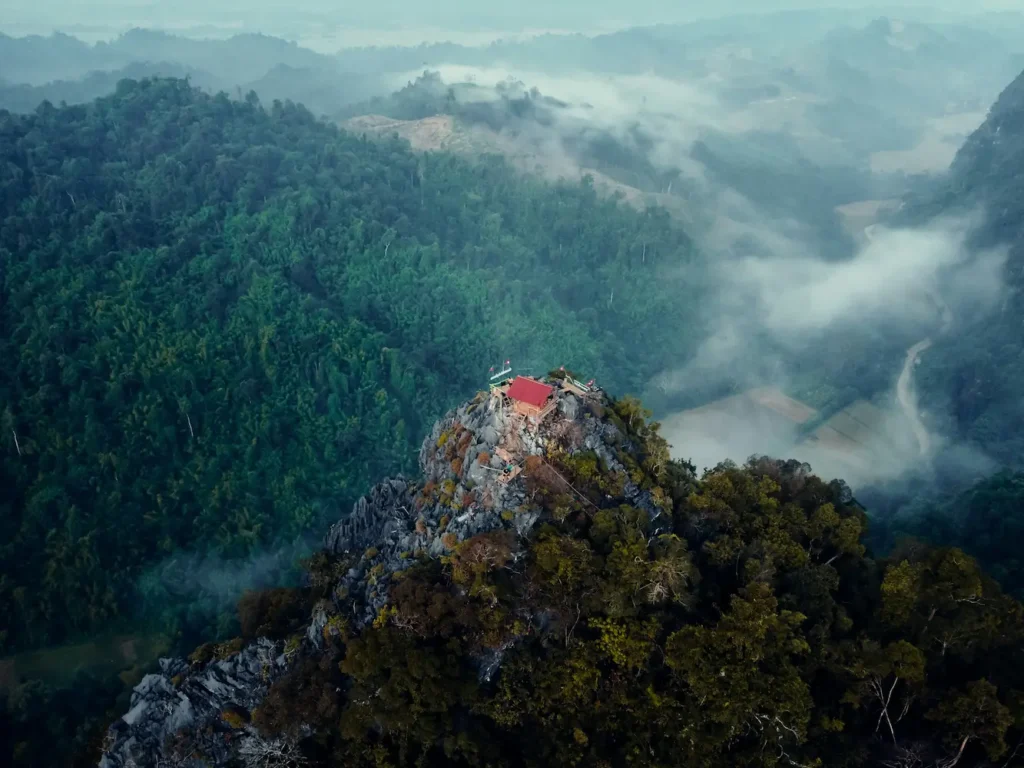
From visa procedures and budget considerations to transportation logistics, safety concerns, cultural etiquette, and the best places to explore, we’ll cover the practical realities of traveling in Laos that guidebooks often gloss over. You’ll learn how to navigate the country efficiently, what to expect regarding costs and infrastructure, how to respect local customs, where to find the best experiences, and insider tips that elevate your journey from good to extraordinary.
Traveling in Laos isn’t always easy—infrastructure is developing, English proficiency varies, and the slow pace can frustrate type-A personalities—but these “challenges” often become the highlights. The overnight bus breakdown becomes an adventure, the language barrier leads to creative communication and laughter, and the lack of WiFi forces you to actually talk with fellow travelers and locals. This guide helps you embrace Laos’s quirks while avoiding genuine pitfalls.
Table of Contents
Table of Contents
Why Choose Laos for Your Southeast Asian Adventure?
Before diving into practicalities, understanding what makes traveling in Laos special helps set appropriate expectations and excitement.
What Sets Laos Apart
Authentic Experiences: Laos hasn’t been overrun by tourism like Thailand’s islands or Vietnam’s Hanoi. Traditional village life continues largely unchanged, Buddhist practices remain genuine rather than performative, and you can still discover places where you’re the only foreigner.
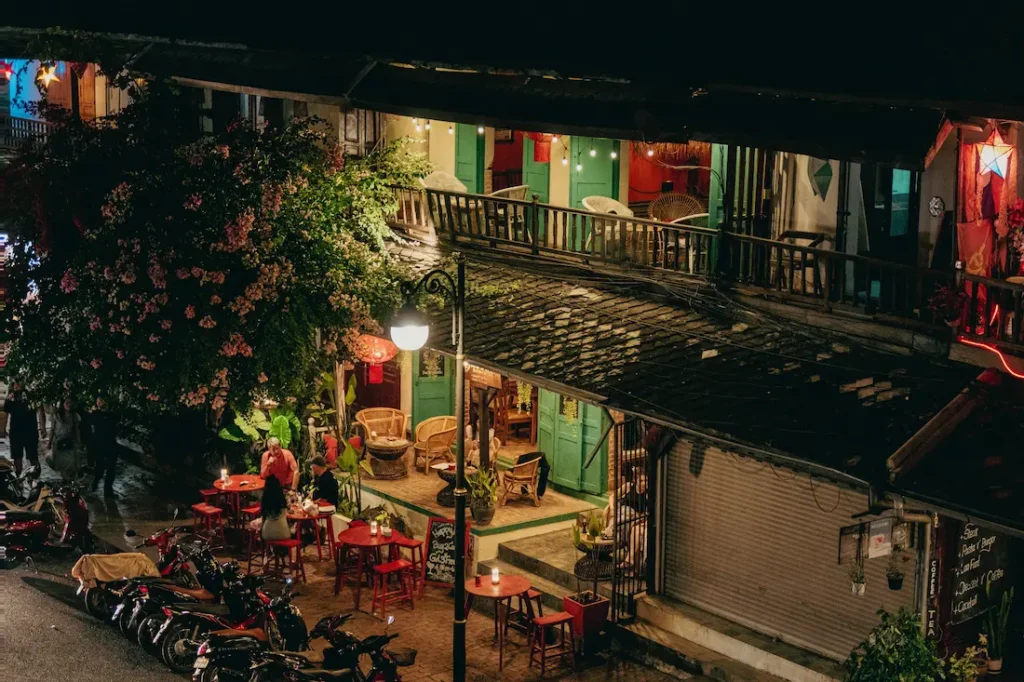
Slow Travel Paradise: The Lao philosophy “bor pen nyang” (no worries, never mind) permeates everything. Traveling in Laos teaches you to slow down, accept delays gracefully, and find joy in unhurried moments—sipping Beer Lao by the Mekong, watching sunsets from hammocks, or sharing meals with locals.
Natural Beauty: Dramatic limestone karsts in Vang Vieng, cascading Kuang Si Waterfalls, the mighty Mekong River threading through the country, lush jungles, coffee plantations on Bolaven Plateau, and pristine river islands create diverse landscapes rewarding nature lovers.
Buddhist Culture: Theravada Buddhism deeply influences Lao life. The morning alms-giving ceremony, countless golden temples, and saffron-robed monks create spiritual atmosphere absent in more secularized neighbors.
Affordability: Traveling in Laos remains remarkably cheap. Budget travelers can manage on $25-35 daily including accommodation, food, and activities—stretching travel funds further than most Southeast Asian destinations.
Adventure Opportunities: Trekking through northern ethnic minority villages, kayaking limestone cave rivers, rock climbing Vang Vieng’s karsts, cycling the Thakhek Loop, and tubing (yes, still happening) satisfy adventurers.
Safety and Friendliness: Laos ranks among Asia’s safest countries with low crime, friendly locals, and welcoming atmosphere particularly comfortable for solo travelers and first-timers.
What to Expect (Reality Check)
Limited Infrastructure: Outside major tourist hubs, facilities are basic. ATMs are scarce in remote areas, WiFi is slow or nonexistent, and English is limited beyond tourism zones.
Long Travel Times: Laos is larger than expected with winding mountain roads. Bus journeys take longer than Google Maps suggests, and delays are common.
Slow Pace: Everything operates on Lao time. Services are slower, people move unhurriedly, and efficiency isn’t prioritized. This charm or frustration depends on your mindset.
Limited Nightlife: Laos isn’t a party destination. Cities have modest bar scenes, but don’t expect Bangkok-style clubs or Bali beach parties.
Heat and Humidity: Tropical climate means hot weather year-round (except cool season mornings) and high humidity, especially rainy season.
Spicy Food: Lao cuisine can be extremely spicy. Learn “bor sai phet” (not spicy please) or suffer deliciously.
These realities aren’t criticisms—they’re what keep Laos authentic while neighboring countries become increasingly commercialized.
👉 Read More: Laos Travel Guide: The Complete Guide to Exploring Laos (2026)
Essential Information for Traveling in Laos
Visa Requirements and Entry
Visa on Arrival:
- Available at all international airports (Vientiane, Luang Prabang, Pakse) and most land borders
- Cost: $30-50 USD depending on nationality (USD only, exact change recommended)
- Validity: 30 days from entry
- Requirements: Passport valid 6+ months, one passport photo (available at border if forgotten, $2-3 extra)
- Processing: 10-30 minutes usually
E-Visa:
- Available online at www.laoevisa.gov.la
- Cost: $50 USD (includes $20 processing fee)
- Validity: 30 days, single entry
- Processing: 3 business days typically
- Valid only at specific entry points (check current list)
- Convenient but more expensive than visa on arrival
Visa Extensions:
- Available at immigration offices in Vientiane, Luang Prabang, and Pakse
- Cost: $2 per day extension
- Maximum extension varies (typically 30-60 days additional)
Visa-Free Entry:
- ASEAN nationals don’t need visas for stays up to 30 days
- Some nationalities have bilateral agreements—check current policies
Border Crossing Tips:
- Bring USD cash for visa (USD only, not Lao Kip or other currencies)
- Carry passport photos to avoid overcharging
- Ignore offers of “faster processing” for extra fees
- Count your change carefully
- Keep visa receipt—sometimes checked at exit
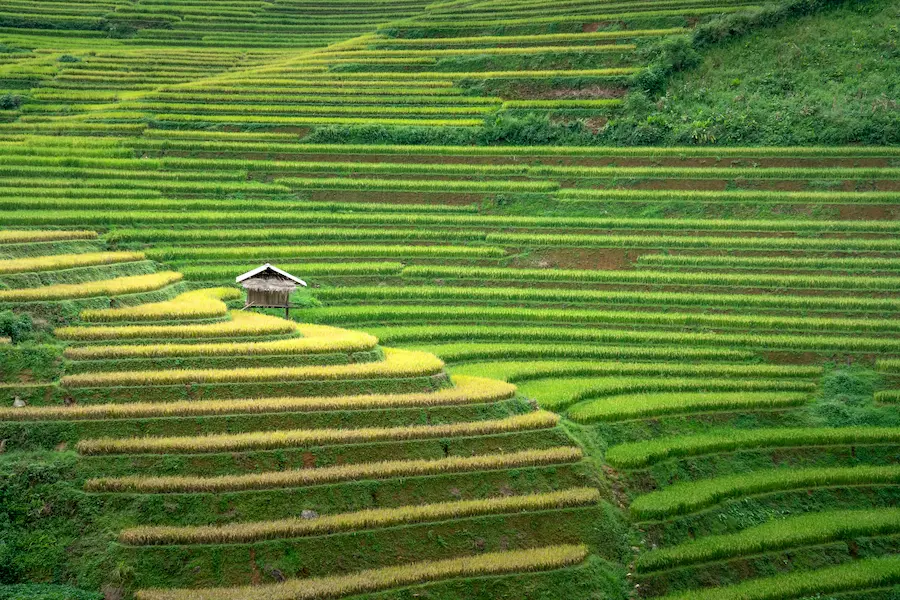
When to Visit: Seasonal Considerations
Cool Season (November-February):
- Best weather: 15-28°C (59-82°F), minimal rain, clear skies
- Peak tourist season with higher prices and crowded major sites
- Ideal for first-time visitors and temple enthusiasts
- Book accommodation advance in Luang Prabang and Vang Vieng
- Surprisingly cold mornings/evenings—bring warm layers
Hot Season (March-May):
- Very hot: 25-40°C (77-104°F), dry but uncomfortable
- March-April sees agricultural burning creating hazy skies
- Fewer tourists mean better accommodation deals
- Outdoor activities best done early morning or late afternoon
- Waterfalls start drying up by May
Rainy Season (June-October):
- Hot and humid: 24-32°C (75-90°F) with afternoon rains
- Lowest prices (20-30% less than peak season)
- Lush green landscapes, spectacular waterfalls at full power
- Minimal tourists—attractions nearly empty
- Some rural roads impassable, occasional activity closures
- Rain usually comes in afternoon bursts, not all-day downpours
Best Overall: November-February for optimal conditions, though September-October offers sweet spot of decreasing rains, green landscapes, and manageable tourist numbers.
Health and Vaccinations
Recommended Vaccinations:
- Hepatitis A (food/water-borne diseases)
- Typhoid (food/water-borne)
- Hepatitis B (long stays or potential medical procedures)
- Japanese Encephalitis (rural areas during rainy season)
- Rabies (if handling animals or remote trekking)
- Tetanus/Diphtheria/Pertussis (routine)
- Measles/Mumps/Rubella (routine)
Malaria Consideration:
- Low risk in most tourist areas (Luang Prabang, Vang Vieng, Vientiane)
- Moderate risk in remote forests and border regions
- Prophylaxis optional—discuss with travel doctor based on itinerary
- Mosquito repellent essential regardless
Common Health Issues:
- Traveler’s diarrhea (bring Imodium/loperamide)
- Dehydration (drink 3+ liters daily)
- Sunburn (UV is intense, use SPF 30+)
- Insect bites (DEET repellent 30%+)
- Heat exhaustion (rest in hottest hours)
Medical Facilities:
- Adequate clinics in major cities (Vientiane, Luang Prabang)
- Limited facilities in rural areas
- Serious conditions require evacuation to Thailand
- Travel insurance with medical evacuation coverage essential
Water Safety:
- Never drink tap water
- Bottled water widely available ($0.50-1)
- Purified water refill stations at many guesthouses (free)
- Ice in tourist areas generally safe (made from purified water)
Travel Insurance (Non-Negotiable)
Why It’s Essential:
- Medical evacuation to Thailand costs $10,000-30,000
- Adventure activities (trekking, kayaking, tubing) carry risks
- Laos medical facilities limited for serious issues
- Bus accidents and traffic incidents occur
- Trip cancellations happen
What to Cover:
- Medical expenses and emergency evacuation
- Adventure activities you plan to do
- Personal liability
- Lost/stolen belongings
- Trip cancellation/interruption
Recommended Providers:
- World Nomads (popular with backpackers, covers adventure activities)
- Safety Wing (affordable for long-term travelers)
- Allianz (comprehensive coverage)
- IMG Global (good medical coverage)
Typical Costs: $40-80 for 2 weeks, $100-200 for 3 months depending on coverage and age.
👉 Read More: Complete Laos Travel Insurance Guide (Coming Soon)

Budgeting for Traveling in Laos
Laos offers exceptional value, though costs vary by travel style and season.
Daily Budget Breakdown
Budget Backpacker ($25-35/day):
- Accommodation: Guesthouse/hostel dorm $5-10
- Food: Street food and local restaurants $8-12
- Transportation: Local buses $5-8
- Activities: Free attractions, occasional paid entry $3-5
- Beer/drinks: $3-5
Mid-Range Traveler ($50-80/day):
- Accommodation: Comfortable hotel/guesthouse $20-30
- Food: Mix of local and tourist restaurants $15-25
- Transportation: VIP buses, occasional tuk-tuk $10-15
- Activities: Regular tours and entrance fees $10-20
- Drinks: Bars and cafes $5-10
Comfortable Traveler ($100-150+/day):
- Accommodation: Boutique hotels/resorts $50-100+
- Food: Quality restaurants, some Western $30-40
- Transportation: Private transport, domestic flights $20-40
- Activities: Multiple tours and experiences $20-40
- Extras: Spa treatments, premium drinks $20+
Specific Cost Examples
Accommodation:
- Hostel dorm bed: $5-8
- Budget guesthouse (private room): $10-15
- Mid-range hotel: $25-40
- Boutique hotel: $50-100
- Luxury resort: $100-300+
Food:
- Street food meal: $1.50-3
- Local restaurant: $3-5
- Tourist restaurant: $6-12
- Upscale dining: $15-30
- Beer Lao: $0.80-2 (shop vs. bar)
- Coffee: $1-3
Transportation:
- Local bus: $0.30-1 within cities
- Tuk-tuk short trip: $2-5
- VIP bus intercity: $10-20 depending on distance
- Domestic flight: $70-120
- Motorbike rental: $5-8/day
- Bicycle rental: $2-3/day
Activities:
- Temple entrance: Free to $5
- Kuang Si Waterfalls: $3
- Pak Ou Caves boat trip: $15-25
- Vang Vieng kayaking: $15-25
- Multi-day trek: $40-80/day
- Massage: $5-10/hour
Tips:
- Restaurant staff: Round up or 10% for good service
- Guides: $5-10/day for excellent service
- Drivers: $3-5/day
- Tipping not expected but appreciated
Money-Saving Strategies
Eat Street Food: Save $10-15 daily by eating at local food stalls rather than tourist restaurants. The food is authentic, safe (choose busy vendors), and delicious.
Use Public Transport: VIP buses cost $10-15 vs. $80-120 for domestic flights. If time isn’t critical, buses save significantly.
Travel Low Season: June-October prices drop 20-30% on accommodation and tours.
Bring Reusable Water Bottle: Refill at guesthouses rather than buying bottled water daily (saves $1-2/day = $15-30 per trip).
Book Activities Locally: Same-day or day-before booking in Vang Vieng and Luang Prabang gets better prices than advance booking.
Negotiate Accommodation: Low season allows 20-40% walk-in discounts, especially for multi-night stays.
Drink Beer Lao from Shops: A Beer Lao costs $0.80 from shops vs. $2-3 in bars. Pre-game before going out.
Share Tuk-Tuks: Split costs with other travelers. A $5 tuk-tuk ride costs $1.25 per person with four people.
👉 Read More: Laos Travel Package 2026: Best Tours, Costs & Complete Guide (Coming Soon)
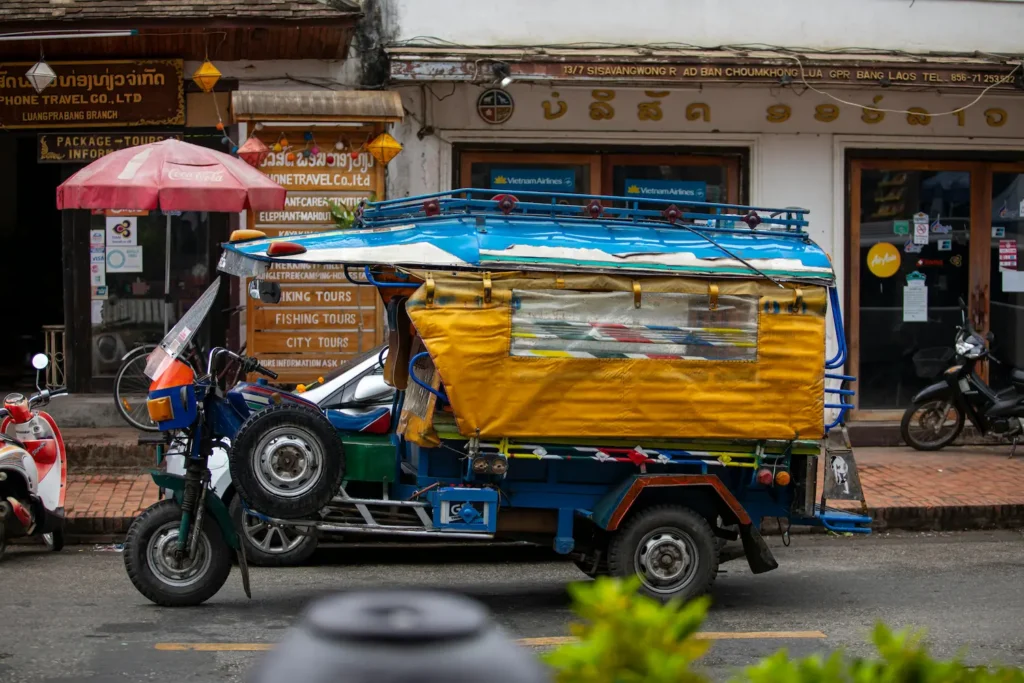
Getting Around: Transportation for Traveling in Laos
Intercity Transportation
VIP Buses (Primary Option):
- Comfortable coaches with reclining seats, AC, toilets
- Connect all major destinations
- Book through guesthouses or tour agencies one day advance
- Costs $10-20 depending on distance
- Morning departures (8-10 AM) arrive afternoon with time to settle
- Overnight buses save accommodation costs but arrive exhausted
Popular Routes and Times:
- Luang Prabang to Vang Vieng: 6-7 hours, $12-15
- Vang Vieng to Vientiane: 3-4 hours, $8-10
- Vientiane to Pakse: 10-12 hours, $18-25
- Pakse to 4000 Islands: 3 hours, $8-10
Local Buses:
- Cheaper but slower and less comfortable
- No AC, cramped, frequent stops
- Save $3-5 vs. VIP buses
- Budget travelers and locals use these
Domestic Flights:
- Lao Airlines connects Vientiane-Luang Prabang-Pakse
- Cost: $70-120
- Saves 10-16 hours vs. buses
- Book through airline website or agencies
- Worth it for time-constrained travelers
Slow Boats:
- Famous Thailand to Luang Prabang route: 2-day Mekong journey
- Book in Huay Xai (Thai border)
- Costs ~$25 plus accommodation in Pak Beng overnight stop
- Scenic but slow and uncomfortable
- Bring cushions, snacks, entertainment
Songthaews:
- Shared pickup trucks with benches
- Serve shorter routes
- Cost $1-5 depending on distance
- Common for rural transportation
Local Transportation
Tuk-Tuks:
- Primary urban transport
- Negotiate price before getting in
- Typical costs: $2-5 for short trips within towns
- Share with others to split costs
- More expensive at night
Motorbike Rental:
- $5-8 per day
- International driving permit technically required (rarely checked)
- Wear helmets (police target foreigners for fines)
- Suitable routes: Thakhek Loop, Bolaven Plateau, around Vang Vieng
- Requires riding experience—accidents happen
- Check brakes, lights, photograph damage before departing
Bicycle Rental:
- $2-3 per day
- Perfect for compact towns (Luang Prabang, Vang Vieng, 4000 Islands)
- Flat terrain in most tourist areas
- Free at some guesthouses
Walking:
- Luang Prabang old town is entirely walkable
- Vang Vieng is compact
- Vientiane spreads out—rent bikes or use tuk-tuks
Transportation Tips
Book Buses Day Before: Not always necessary but guarantees seats during high season and preferred departure times.
Bring Entertainment: Long bus rides through mountains mean limited cell signal and no WiFi. Download podcasts, movies, books.
Pack Snacks: Bus food stops offer limited options. Bring your own snacks and water.
Sit on Right Side: Luang Prabang to Vang Vieng route has best mountain and river views on the right side. Reverse journey, sit left.
Confirm Pickup Times: Guesthouses arrange bus pickups—confirm time the evening before.
Arrive Early: Buses sometimes leave ahead of schedule. Arrive 15-30 minutes early.
Motion Sickness: Winding mountain roads affect many travelers. Bring medication and sit near front of bus.
Where to Go: Best Destinations When Traveling in Laos

Luang Prabang (3-4 Days)
Why Visit: UNESCO World Heritage city with stunning temples, French colonial architecture, and spiritual atmosphere. The crown jewel of traveling in Laos.
Top Attractions:
- Morning alms-giving ceremony (tak bat)
- Wat Xieng Thong and temple circuit
- Royal Palace Museum
- Kuang Si Waterfalls (swimming in turquoise pools)
- Mount Phousi sunset viewpoint
- Night market handicrafts
- Traditional Arts & Ethnology Centre
- Pak Ou Buddha Caves (boat trip)
Activities: Temple tours, waterfall swimming, cooking classes, textile workshops, boat trips, cycling, evening markets
Budget: $40-70 per day
👉 Read More: Luang Prabang Travel Guide: The Complete Guide to Laos’s Ancient Capital (2026) (Coming Soon)
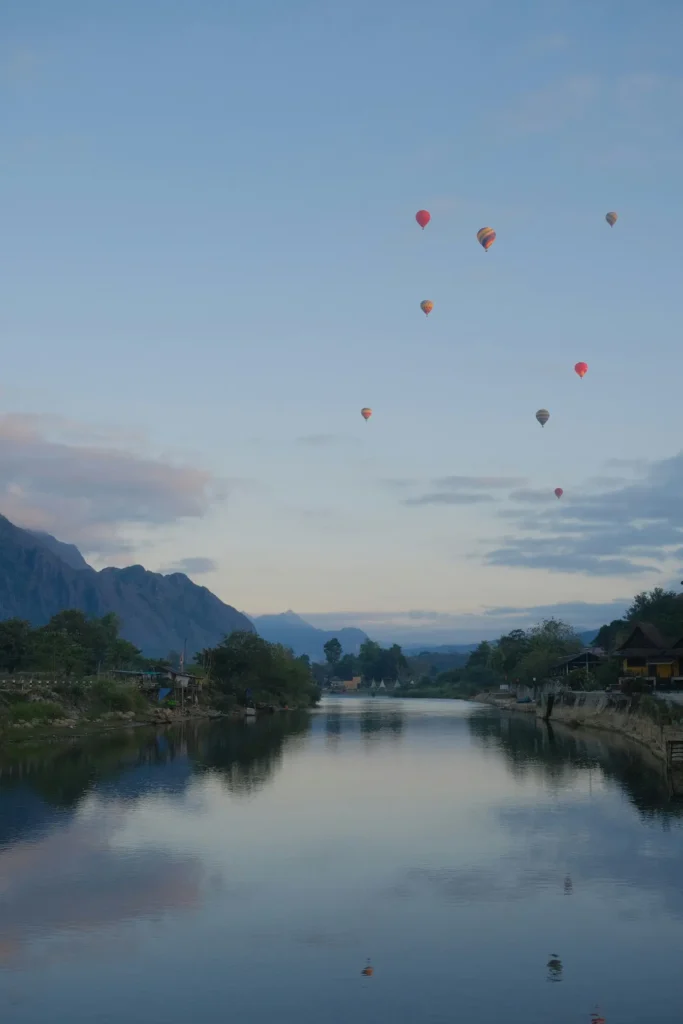
Vang Vieng (2-3 Days)
Why Visit: Dramatic karst landscape with adventure activities and spectacular countryside. Perfect blend of action and scenery.
Top Attractions:
- Limestone karst scenery
- Blue Lagoons (multiple locations)
- Tham Phoukham and other caves
- Nam Song River
- Countryside cycling/motorbiking
- Sunset viewpoints
Activities: Kayaking, rock climbing, caving, tubing, hot air ballooning, cycling, trekking
Budget: $35-60 per day (activities add costs)
Vientiane (1-2 Days)
Why Visit: Laid-back capital with French influence, golden temples, and Mekong riverside charm.
Top Attractions:
- Pha That Luang (golden stupa)
- Patuxai Victory Monument
- Buddha Park (Xieng Khuan)
- COPE Visitor Centre (UXO education)
- Wat Si Saket
- Mekong riverside promenade
- Night market (weekends)
Activities: Temple visits, museum exploration, riverside cycling, café culture, shopping
Budget: $35-55 per day
4000 Islands / Si Phan Don (3-5 Days)
Why Visit: Ultimate Mekong River relaxation with island vibes, hammocks, and sunsets. Perfect wind-down destination.
Main Islands:
- Don Det (backpacker party scene)
- Don Khon (quieter, families, couples)
- Don Khong (largest, least touristy)
Top Attractions:
- Khone Phapheng Falls (Southeast Asia’s largest waterfall)
- Li Phi Falls
- French colonial railway bridge
- Irrawaddy dolphin spotting
- Island cycling
- Swimming and kayaking
- Sunset watching
Activities: Cycling, kayaking, swimming, hammock relaxation, dolphin tours, waterfall visits
Budget: $25-45 per day (cheapest region)

Nong Khiaw (2-3 Days)
Why Visit: Remote mountain beauty with dramatic karst scenery, trekking, and authentic village life.
Top Attractions:
- Nam Ou River valley views
- Pha Tok viewpoint (stunning sunrise/sunset)
- Trekking to ethnic minority villages
- Caves exploration
- Kayaking Nam Ou River
Activities: Trekking, kayaking, viewpoint hikes, village visits, relaxation
Budget: $30-50 per day
Other Worthy Destinations
Bolaven Plateau (2 Days): Spectacular waterfalls, coffee plantations, cool highland climate
Thakhek/Kong Lor Cave (1-3 Days): Massive 7km river cave, motorbike loop adventure
Plain of Jars (2 Days): Archaeological mystery, war history, rural landscapes
Luang Namtha (3-4 Days): Remote northern trekking, ethnic minority homestays
[Link to: Complete Laos Destinations Guide]
Cultural Etiquette and Responsible Traveling in Laos
Temple Behavior
Dress Code:
- Cover shoulders and knees (men and women)
- Remove shoes before entering temple buildings
- Modest, respectful clothing always
Behavior:
- Speak quietly and move calmly
- Don’t point feet at Buddha images or monks
- Sit with legs to side or crossed, never extended
- Don’t touch or point at Buddha images
- Photography usually allowed but ask if unsure
- Remove hats inside temples
Monk Interactions:
- Women should never touch monks or hand items directly
- Speak respectfully to monks
- Don’t sit higher than monks
- Morning alms-giving requires respectful observation (if not participating)
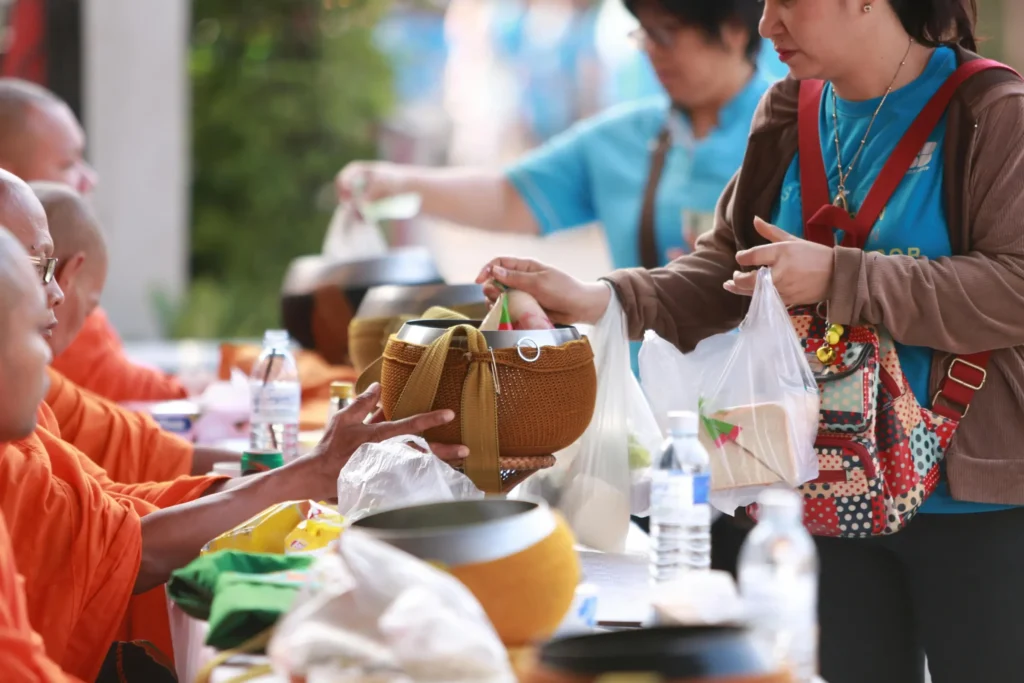
Alms-Giving Ceremony (Tak Bat)
If Observing:
- Stand at respectful distance (2+ meters)
- Don’t block monks’ path
- Photograph discreetly from distance
- Remain quiet and still
- Dress modestly
- Don’t use flash photography
If Participating:
- Buy offering from designated stalls (not street sellers)
- Kneel on provided mat, remove shoes
- Place small amounts in each monk’s bowl (one scoop per monk)
- Don’t touch monks
- Maintain silence and reverence
- Women must be especially careful not to touch monks
What NOT to Do:
- Don’t buy offerings from children (encourages begging)
- Don’t stand above monks for photos
- Don’t treat it as a photo opportunity show
- Don’t obstruct the ceremony
- Don’t participate if unwilling to do it properly
General Social Etiquette
Greetings:
- “Sabaidee” (hello) with slight bow and hands together
- Smiling is culturally important
- Elders deserve particular respect
Physical Contact:
- Head is sacred—don’t touch anyone’s head
- Feet are lowly—don’t point feet at people or Buddha images
- Public displays of affection are inappropriate
- Personal space is valued
Dining:
- Wait for elder/host to begin eating
- Eat with spoon and fork (spoon in right hand, fork to push food)
- Don’t stick chopsticks upright in rice (funeral symbolism)
- Finish your plate (shows appreciation)
Photography:
- Always ask permission before photographing people
- Ethnic minorities may charge small fees ($1-2)
- Don’t photograph without asking, especially in villages
- Respect if people decline
Dress:
- Dress modestly beyond beach/pool areas
- Revealing clothing offends locals
- Cover up when visiting villages
Responsible Tourism Practices
Supporting Local Economy:
- Stay in locally-owned guesthouses over international chains
- Eat at local restaurants
- Buy handicrafts directly from artisans
- Hire local guides
- Use local transportation services
Environmental Responsibility:
- Carry reusable water bottle
- Pack out all trash (even biodegradable items)
- Use refill stations rather than buying plastic bottles
- Avoid single-use plastics where possible
- Stay on marked trails to prevent erosion
- Don’t touch or remove coral/shells/rocks
Ethical Animal Encounters:
- Avoid elephant riding attractions
- Choose genuine sanctuaries over entertainment venues
- Don’t pose with wild animals for photos
- Don’t feed wildlife
- Report animal abuse to authorities
Giving Responsibly:
- Don’t give money or candy to children (creates begging culture)
- Support community projects and schools instead
- Don’t buy from child sellers (keeps them from school)
- If wanting to help, donate to established NGOs
Safety Tips for Traveling in Laos
General Safety
Crime Levels:
- Laos is very safe with low violent crime
- Petty theft exists in tourist areas (bag snatching, pickpocketing)
- Scams are rare compared to neighboring countries
- Locals are generally honest and helpful
Staying Safe:
- Use hotel safes for valuables and passport
- Keep photocopies of important documents separate
- Watch bags in crowded areas
- Avoid walking alone late at night in dark areas
- Trust your instincts
- Don’t display wealth ostentatiously
Specific Concerns:
- Unexploded Ordnance (UXO): Rural areas, especially near Vietnam border and Plain of Jars, contain unexploded bombs from Vietnam War. Stick to established paths and roads. Never touch metal objects in rural areas.
- Traffic: Roads are dangerous with erratic drivers. Be extremely cautious crossing streets in cities. Motorbike accidents are leading cause of tourist injuries.
- Swimming: Rivers have strong currents and hidden rocks. Only swim in designated areas. Waterfalls can be slippery.
- Drugs: Marijuana and other drugs are illegal despite availability. Police target foreigners. Penalties are severe including prison.
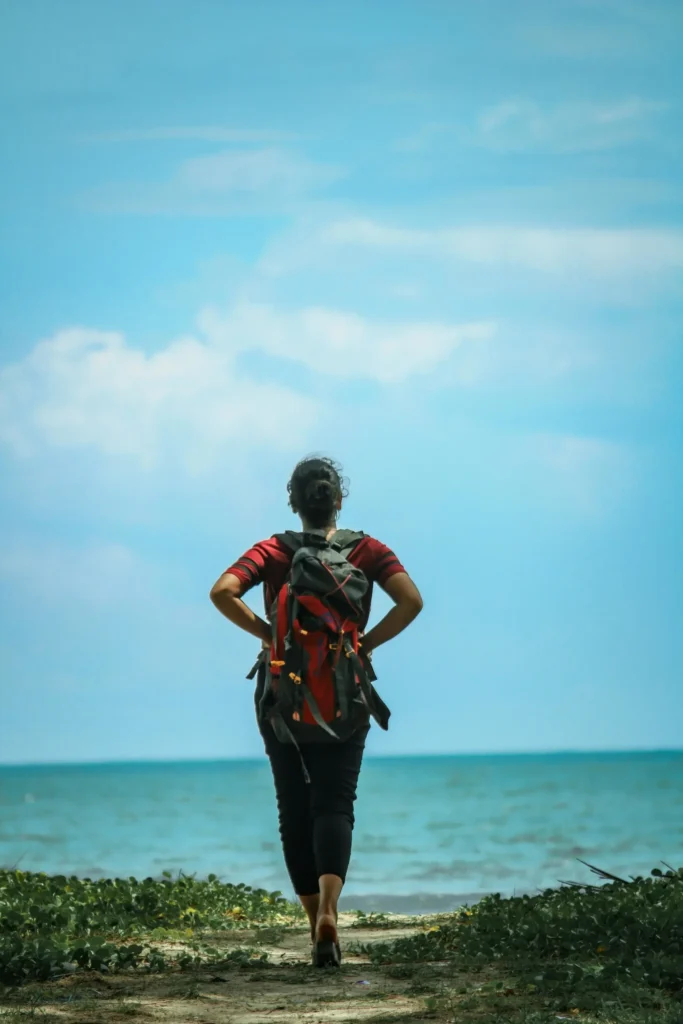
Solo Female Travel
Traveling in Laos as a solo woman is generally safe and manageable.
Reality:
- Harassment levels are low compared to many countries
- Locals are respectful and protective
- Solo female travelers are common
- Cultural norms emphasize respect
Precautions:
- Dress modestly (reduces unwanted attention)
- Avoid excessive alcohol in unfamiliar situations
- Use reputable transportation
- Share accommodation details with someone
- Trust instincts about situations and people
- Join group tours or activities to meet other travelers
- Evening activities are generally safe in tourist areas
Resources:
- Join “Solo Female Travelers in Southeast Asia” Facebook groups
- Connect with other travelers at hostels
- Use women-only dorm rooms if available
Scams and Annoyances
Common Issues:
- Overcharging tourists (especially tuk-tuks)
- “Commission drivers” taking tourists to commission-paying guesthouses
- Short-changing at markets
- Fake tour operators
Avoidance:
- Negotiate and agree on prices beforehand
- Carry small bills (reduces change-scamming)
- Book guesthouses directly, not through drivers
- Verify tour operator credentials
- Read recent reviews online
- Be wary of too-good-to-be-true offers
Most “Scams” Are Actually:
- Miscommunication due to language barriers
- Different cultural expectations about business
- Tourist prices (annoying but not illegal)
Communication and Connectivity
Language
English Proficiency:
- Widely spoken in tourist areas (Luang Prabang, Vang Vieng, Vientiane)
- Limited in rural areas and among older generations
- Younger Lao people generally speak some English
- Major hotels and restaurants have English speakers
Essential Lao Phrases:
- Hello: Sabaidee (sa-buy-dee)
- Thank you: Khop chai (kop-chai)
- How much?: Tao dai? (tao-dai)
- Delicious: Saep! (sep)
- Not spicy please: Bor sai phet (bor-sigh-pet)
- Excuse me: Khaw thot (kow-tot)
- Yes: Jao (jao)
- No: Bor (bor)
Translation Apps:
- Google Translate (download Lao offline)
- Works reasonably well for basic communication
- Point at translated phrases
Learning Resources:
- Phrasebooks available in bookshops
- YouTube tutorials for pronunciation
- Locals appreciate any attempt at Lao
Internet and Phone
SIM Cards:
- Available at airports and phone shops
- Major providers: Unitel, Lao Telecom, ETL, Beeline
- Tourist SIM packages: 2-10GB for $5-15
- Bring unlocked phone
- Setup takes 5-10 minutes
- Coverage good in cities, spotty in remote areas
WiFi:
- Available at most guesthouses, hotels, cafes, restaurants
- Speed varies: decent in cities, slow in rural areas
- Free in most accommodations
- Cafes may require purchase for password
Calling Home:
- WhatsApp, Skype, FaceTime work with WiFi
- Local SIM allows cheap data for calls
- International calling cards available but unnecessary
Staying Connected:
- Download offline maps (Maps.me, Google Maps)
- Save important addresses and contact numbers
- Screenshot confirmation emails
- Bring power bank for phone charging
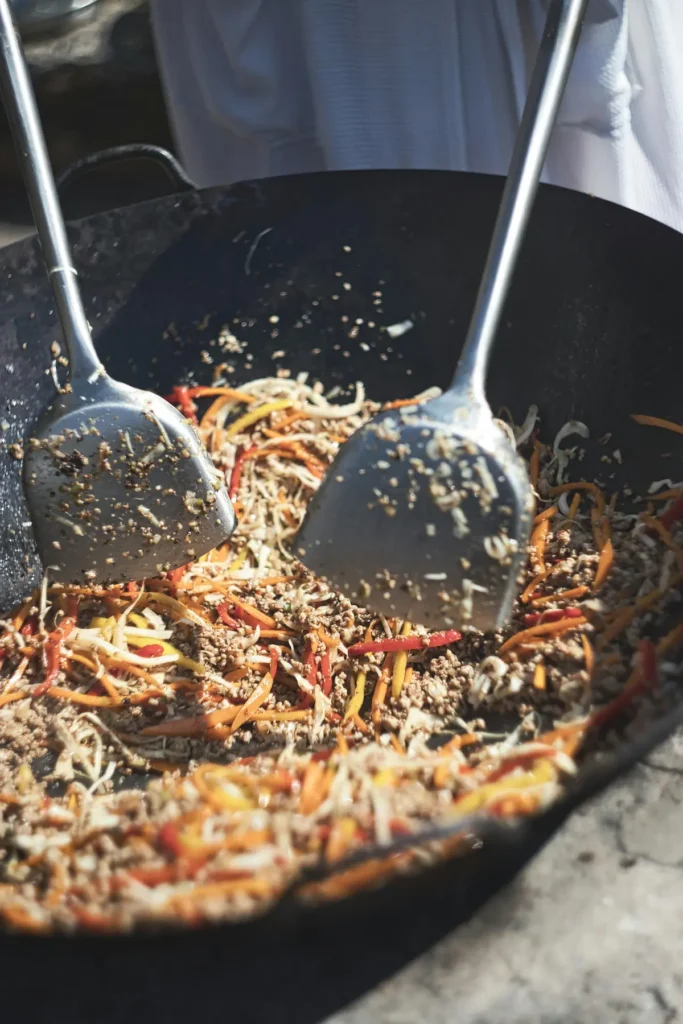
Food and Dining When Traveling in Laos
Lao Cuisine Basics
Staples:
- Sticky rice (khao niao): Eaten with hands, core of every meal
- Fresh herbs and vegetables
- Fish and river foods (landlocked but river-rich)
- Grilled meats and fish
- Fermented fish paste (prahok): Strong flavor, used in many dishes
Must-Try Dishes:
- Laap/Larb: Minced meat salad with herbs and lime
- Tam mak hoong: Spicy green papaya salad (can be very spicy!)
- Khao soi: Noodle soup with crispy noodles
- Mok pa: Fish steamed in banana leaves
- Or lam: Hearty stew with vegetables and meat
- Sai oua: Lao sausage with herbs and spices
- Ping gai: Grilled chicken
- Khao piak sen: Rice noodle soup
Street Food:
- Fresh spring rolls
- Grilled meats on sticks
- Fried insects (adventurous option!)
- Fresh fruit shakes
- Baguette sandwiches (French influence)
Spice Level:
- Lao food can be extremely spicy
- Say “bor sai phet” (not spicy) when ordering
- “Nit noi” means “little bit” if you want some spice
- Sticky rice helps cool your mouth
Vegetarian/Vegan:
- “Mang sa wi rat” means vegetarian
- Buddhist culture means vegetarian food available
- However, fish sauce is ubiquitous
- Specify “bor sai nam pa” (no fish sauce) if strict
- Tourist restaurants understand vegan more easily
Drinks
Beer Lao:
- National pride, excellent lager
- Costs $0.80-2 depending on venue
- Dark Beer Lao also available
- Acceptable to drink in restaurants, bars, guesthouses
Lao-Lao:
- Local rice whiskey
- Potent and cheap
- Approach cautiously
- Offered in villages as hospitality gesture
Coffee:
- Lao coffee is excellent (grown on Bolaven Plateau)
- Served strong with condensed milk
- Iced coffee (café yen) perfect for heat
- Decent espresso in tourist areas
Fresh Juices:
- Fresh fruit shakes everywhere
- Coconuts for drinking
- Sugarcane juice
- Request “bor sai nam tan” for no added sugar
Dining Tips
Food Safety:
- Street food from busy vendors is generally safe
- Avoid pre-cut fruit sitting out
- Cooked food safer than raw
- Ice in tourist areas is safe (made from purified water)
- Peel fruits yourself
- Use hand sanitizer before eating
Eating Customs:
- Remove shoes if eating on floor mats
- Don’t stick chopsticks upright in rice
- Try everything offered (shows respect)
- Sharing dishes is normal
- Elders eat first in formal situations
Tipping:
- Not expected in local restaurants
- Round up bill or 10% in tourist restaurants for good service
- Not required but appreciated
Packing for Traveling in Laos
Essential Items
Clothing:
- Lightweight, quick-dry clothing
- Long pants and long-sleeve shirts (temple coverage)
- Modest dress/skirt for women
- Comfortable walking shoes
- Flip-flops or sandals
- Swimwear
- Light jacket (cool season mornings)
- Rain jacket (year-round essential)
Toiletries:
- Sunscreen SPF 30+
- Insect repellent (DEET 30%+)
- Basic first aid kit
- Hand sanitizer
- Wet wipes
- Quick-dry towel
- Toiletries (available locally but bring favorites)
Electronics:
- Phone and charger
- Power bank (10,000+ mAh)
- Universal adapter (Type A, B, C, E, F plugs used)
- Camera and memory cards
- Headphones
- Kindle/e-reader
Documents:
- Passport (6 months validity)
- Passport photos (2-3 for visa)
- Travel insurance documents
- Photocopies of important documents
- Credit/debit cards
- Cash (USD for visa, emergencies)
Other Essentials:
- Reusable water bottle
- Daypack
- Ziplock bags (keep things dry)
- Padlock for hostel lockers
- Flashlight or headlamp
- Earplugs and eye mask
- Travel pillow for buses
What NOT to Bring:
- Expensive jewelry
- Too many clothes (laundry is cheap)
- Laptop (unless necessary)
- Books (heavy; use Kindle)
- Hair dryer (provided or unnecessary)
Laundry
- Available everywhere for $1-2 per kilo
- Usually returned next day
- Hand washing in sink works for quick items
- Clothes dry fast in tropical heat
Frequently Asked Questions (FAQ)
Is traveling in Laos safe?
Yes, traveling in Laos is very safe. The country has low crime rates, friendly locals, and welcoming atmosphere. Violent crime against tourists is extremely rare. Main safety concerns are petty theft in tourist areas (watch your bags), traffic accidents (roads are dangerous), UXO in rural areas near former war zones (stick to established paths), and typical travel health issues. Solo travelers, including women, generally feel safe throughout Laos. Standard precautions apply: don’t walk alone late at night in unlit areas, secure valuables, avoid excessive alcohol in unfamiliar situations, and trust your instincts.
How much money do I need for traveling in Laos?
Budget travelers can manage on $25-35 per day including accommodation ($5-10), food ($8-12), transportation ($5-8), and activities ($3-5). Mid-range travelers should budget $50-80 daily for comfortable hotels ($20-30), better restaurants ($15-25), VIP transportation ($10-15), and regular activities ($10-20). Comfortable travelers spending $100-150+ daily enjoy boutique accommodations, quality dining, private transport, and premium experiences. A typical 2-week mid-range trip costs $700-1,120 plus international flights ($400-800) and extras. Laos is one of Southeast Asia’s cheapest destinations, with costs 20-30% less than Thailand.
Do I need a visa for traveling in Laos?
Most nationalities need a visa for Laos. Visa on arrival is available at international airports and most land borders, costing $30-50 USD depending on nationality, valid 30 days. Requirements: passport valid 6+ months, one passport photo, exact USD cash. E-visa costs $50 (includes processing fee), takes 3 business days, valid at specific entry points only. Visa-free entry applies to ASEAN nationals (30 days) and some bilateral agreements. Check current requirements for your specific nationality. Visa extensions available at immigration offices for $2 per day.
What is the best way to get around when traveling in Laos?
VIP buses are the primary transportation for traveling in Laos, connecting all major destinations comfortably for $10-20 depending on distance. Book through guesthouses or tour agencies one day in advance. Domestic flights ($70-120) connect Vientiane-Luang Prabang-Pakse, saving 10-16 hours versus buses—worthwhile for time-constrained travelers. Within cities, use tuk-tuks ($2-5 for short trips), rent bicycles ($2-3/day) in compact towns, or rent motorbikes ($5-8/day) if experienced. Popular Mekong slow boat from Thailand to Luang Prabang takes 2 days. Local buses are cheaper than VIP but less comfortable.
What should I wear when traveling in Laos?
Dress modestly when traveling in Laos to respect Buddhist culture. At temples, cover shoulders and knees (both men and women), remove shoes before entering buildings. For general travel, lightweight, modest clothing works best: long pants or below-knee skirts, t-shirts or shirts with sleeves, comfortable walking shoes. Bring flip-flops for casual wear, swimwear for waterfalls/rivers, rain jacket year-round, and light jacket for cool season mornings (Nov-Feb). Avoid revealing clothing like short shorts, tank tops, or bare shoulders outside beach/pool areas. Laos is conservative—modest dress shows respect and reduces unwanted attention.
Is Laos expensive to travel?
No, traveling in Laos is quite affordable—one of Southeast Asia’s cheapest destinations. Budget backpackers manage on $25-35 daily, mid-range travelers $50-80, and even comfortable travel costs just $100-150 daily compared to $150-250+ in more developed countries. Accommodation ranges from $5 dorm beds to $50 boutique hotels. Meals cost $1.50-5 at local places, $6-12 at tourist restaurants. Beer Lao is $0.80-2. VIP buses cost $10-20 for long journeys. Activities and entrance fees are minimal ($3-25). Your money stretches further in Laos than Thailand, Vietnam, or Cambodia, making it ideal for budget-conscious travelers.
Can I use credit cards when traveling in Laos?
Credit card acceptance when traveling in Laos is limited. Major hotels, upscale restaurants, and some tour agencies accept Visa and MasterCard (often with 3-5% surcharge). However, most guesthouses, local restaurants, markets, transportation, and activities require cash. ATMs are available in major towns (Luang Prabang, Vang Vieng, Vientiane, Pakse) dispensing USD or Lao Kip with $3-5 fees per transaction. ATMs are scarce in remote areas—withdraw cash before traveling to 4000 Islands, Nong Khiaw, or rural regions. Bring USD cash for visa on arrival and emergencies. Budget using cash for 80-90% of expenses.
Is tap water safe to drink in Laos?
No, never drink tap water when traveling in Laos. It’s not treated to safe standards and causes stomach issues. Bottled water is widely available ($0.50-1) everywhere. Many guesthouses offer free purified water refill stations—bring a reusable bottle to refill. Water filters or purification tablets work but aren’t necessary given bottled water availability and cost. Ice in tourist areas is generally safe (made from purified water), though ultra-cautious travelers avoid it. Brush teeth with bottled water. Peel fruits yourself or choose cooked foods. Stomach issues are common travel problems in Laos—water safety significantly reduces risk.
What language is spoken in Laos?
The official language is Lao, a tonal language related to Thai. English is widely spoken in tourist areas (Luang Prabang, Vang Vieng, Vientiane) particularly by younger generations and tourism industry workers. Outside tourist zones and in rural areas, English is limited, especially among older people. French colonial history means some older Lao people speak French. Thai is understood in areas near Thailand. Learn basic Lao phrases (hello, thank you, how much, not spicy) to enhance interactions—locals greatly appreciate any attempt at their language. Translation apps (Google Translate with downloaded Lao) help with basic communication. Gestures and pointing work surprisingly well for simple transactions.
Conclusion: Embrace the Journey of Traveling in Laos
Traveling in Laos offers rewards that extend far beyond Instagram photos and checked-off bucket lists. This country teaches you to slow down, embrace uncertainty, find joy in simple moments, and connect authentically with people despite language barriers. The overnight bus that breaks down becomes an adventure. The temple with no other tourists becomes a meditation. The street food vendor who can’t speak English but feeds you deliciously becomes a friend.
Yes, Laos requires more patience than more developed destinations. Infrastructure is basic, things move slowly, and English isn’t universal. But these “challenges” filter out travelers seeking only comfort and convenience, leaving room for those willing to embrace authentic experiences. You’ll rarely feel like just another tourist in an assembly line—instead, you’re a welcomed guest experiencing real Lao life.
The practical information in this guide—visa procedures, budget planning, transportation logistics, safety tips, cultural etiquette—provides the foundation for successful travels. But remember that the best moments when traveling in Laos often come unplanned: conversations with monks eager to practice English, invitations to family meals, spontaneous waterfalls discovered by following locals’ directions, or simply sitting by the Mekong watching life flow past.
Traveling in Laos in 2025 means visiting before mass tourism transforms the country. Go now while temples remain spiritual spaces rather than tourist attractions, while village life continues authentically, and while locals still smile genuinely at foreign visitors. The country is developing rapidly—what feels undiscovered today may feel commercial in five years.
Pack light, bring patience, maintain flexibility, respect local customs, engage authentically, and prepare for one of Southeast Asia’s most rewarding travel experiences.
Start Planning Your Laos Adventure
📋 Your Action Checklist:
- ✅ Choose travel dates (November-February for weather, June-September for budget)
- ✅ Apply for visa (e-visa online or arrange VOA)
- ✅ Book flights (international to Vientiane or Luang Prabang)
- ✅ Plan rough itinerary (7, 10, or 14 days)
- ✅ Arrange travel insurance
- ✅ Get vaccinations (4-6 weeks ahead)
- ✅ Book first night accommodation
- ✅ Notify banks of travel
- ✅ Download offline maps and apps
- ✅ Pack appropriate clothing and essentials
🗺️ Essential Laos Resources:
🌏 Combine Your Trip:
- Vietnam Travel Guide
- Cambodia Travel Guide
- Thailand Travel Guide (Coming Soon)
📧 Need Personalized Help?
Contact us for custom itinerary planning, specific destination questions, budget advice, or any concerns about your Laos trip. We respond to every question!
💬 Join the Conversation:
Have questions about this Laos travel guide? Planning a trip and need advice? Share your experiences or ask below—we love helping travelers plan their Laos adventures and respond to every comment.
🔖 Save This Guide:
Bookmark this comprehensive Laos travel guide as your planning resource. Share with fellow travelers exploring Southeast Asia. Your Lao adventure awaits!
This Laos travel guide is continuously updated with current information, prices, and travel tips. If you notice outdated information or have suggestions, please let us know in the comments.
Sabaidee and bor pen nyang—hello and no worries. Your Laos adventure awaits!
Last Updated: January 12, 2026