
Planning your Siem Reap Cambodia travel adventure? You’ve chosen wisely. This charming town serves as gateway to Angkor Archaeological Park – one of humanity’s greatest architectural achievements. But Siem Reap offers far more than just temples. Understanding how to navigate this unique destination transforms good trips into unforgettable journeys.
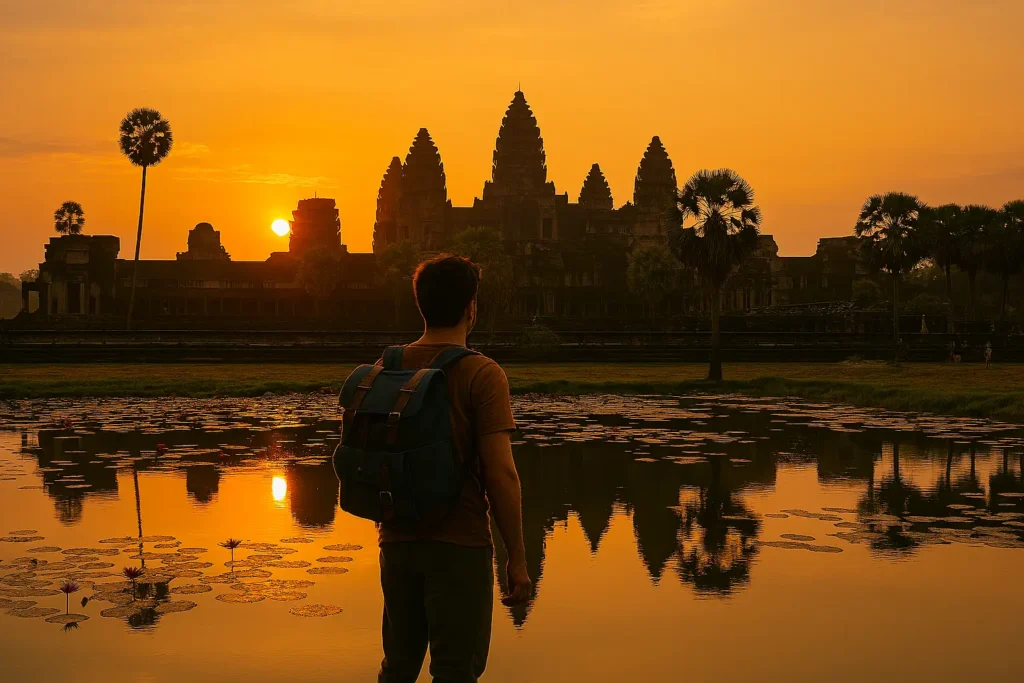
The challenge? Most visitors treat Siem Reap Cambodia travel as a two-day temple rush before moving on. They miss the vibrant food scene, rich cultural experiences, hidden temples tourists ignore, and authentic Khmer hospitality that define this special place.
After years exploring Siem Reap and helping hundreds of travelers maximize their visits, I’ve created this comprehensive guide covering everything you need to know. From Angkor pass strategies to accommodation neighborhoods, restaurant recommendations to transportation hacks, cultural experiences to day trip options, you’ll finish reading with confidence to plan your perfect Siem Reap adventure.
Let’s unlock the secrets of successful Siem Reap Cambodia travel.
Why Siem Reap Should Top Your Cambodia Itinerary
Siem Reap rewards travelers with incredible diversity packed into a manageable destination.
Angkor temples defy description: Over 1,000 temple structures spanning five centuries create the world’s largest religious monument. Angkor Wat alone ranks among humanity’s greatest achievements. These aren’t museum pieces – they’re living monuments still inspiring awe 800+ years after construction.
Beyond temples, authentic experiences abound: Floating villages, traditional dance performances, countryside cycling, cooking classes, silk farm visits, and genuine cultural immersion opportunities fill days when temple fatigue sets in.
Affordability enables extended stays: Your dollar stretches incredibly far. Delicious meals cost $2-4. Comfortable hotels run $25-40 nightly. This affordability means Siem Reap Cambodia travel for a week or more remains financially feasible even on modest budgets.
Infrastructure balances comfort and authenticity: Unlike undeveloped destinations lacking basic amenities or over-touristed places losing character, Siem Reap hits the sweet spot. Quality hotels exist without resort complexes dominating. International restaurants serve alongside street food stalls. Modern conveniences coexist with traditional culture.
Central location enables day trips: Battambang, Tonle Sap Lake, Preah Vihear Temple, and Koh Ker all work as day trips or quick overnights from Siem Reap, maximizing your Cambodian exploration without constant hotel changes.
Friendly locals define interactions: Cambodians in Siem Reap retain genuine warmth despite tourism exposure. You’ll encounter authentic hospitality, not performative service theater.
Year-round accessibility: Unlike destinations with severe seasonal restrictions, Siem Reap Cambodia travel works every month. Each season offers different advantages – dry season comfort, shoulder season value, rainy season empty temples and lush landscapes.
Essential Siem Reap Cambodia Travel Information
Master these fundamentals before arrival.
Getting to Siem Reap
International flights:
Siem Reap International Airport (REP):
- Direct flights: Bangkok, Singapore, Kuala Lumpur, Ho Chi Minh City, Hanoi, Seoul, and other Asian hubs
- US flights: No direct service; connect through Asian hubs (Bangkok, Singapore most common)
- New airport: Larger international airport under construction (opens 2025-2026), located 40km from town
From US typical routing:
- West Coast (LA, SF): 20-24 hours total (one connection)
- East Coast (NYC, DC): 24-28 hours total (one-two connections)
- Cost: $700-1,200 economy round-trip
Visa on arrival:
- Cost: $30 at airport
- Requirements: Passport (6+ months validity), passport photo, exact cash
- Processing: 10-30 minutes
- E-visa alternative: $36, apply online ahead.
Domestic connections:
From Phnom Penh:
- Bus: 6 hours, $10-15 (multiple daily departures)
- Flight: 45 minutes, $50-90 (if time-limited)
From Sihanoukville:
- Bus: 10-12 hours, $15-22 (overnight recommended)
- Flight: 1 hour, $60-100
From Thailand border (Poipet):
- Taxi/minivan: 3 hours, $40-60 private, $10-15 shared
- Often included in Bangkok-Siem Reap tour packages
Airport to town:
Official taxi:
- Cost: $9-12 pre-paid counter at airport
- Time: 15-20 minutes
- Easiest option
Tuk-tuk:
- Cost: $7-9 if arranged ahead or negotiated
- Hotels often arrange free pickup with booking
- Most common for budget travelers
- Available in Siem Reap
- Similar prices to taxis
- Transparent pricing eliminates negotiation
Best Time for Siem Reap Cambodia Travel
Dry Season (November-February): Peak Temple Weather
Pros:
- Perfect temperatures: 70-85°F (21-29°C)
- Minimal rain
- Comfortable temple exploration
- Clear sunrise/sunset photography
- All activities fully operational
Cons:
- Maximum crowds at Angkor Wat, Bayon
- Prices 40-60% higher
- Advance booking essential
- Popular restaurants fill quickly
Best for: First-timers, families, those with limited time, photography enthusiasts
Hot Season (March-May): Budget Value
Pros:
- 25-35% cheaper accommodation
- Fewer crowds (especially April-May)
- Available booking last-minute
- Dramatic cloud formations
Cons:
- Very hot: 85-100°F (29-38°C), especially April
- Midday temple touring exhausting
- Dust levels higher
- Increased sun exposure risk
Strategy: Temple touring early morning (6-9am), rest midday, resume late afternoon
Best for: Heat-tolerant travelers, budget-conscious visitors, photographers wanting dramatic skies
Rainy Season (June-October): Empty Temples
Pros:
- 50-70% off peak season prices
- Nearly empty temples (magical atmosphere)
- Lush green landscapes
- Afternoon rain cools things down
- Easy negotiations
- Walk-in accommodation deals
Cons:
- Daily afternoon rain (1-3 hours typically)
- Higher humidity
- Some unpaved roads muddy
- Moat water levels high (obscuring some views)
Reality check: “Rainy season” means brief afternoon downpours, not all-day rain. Mornings often perfectly clear.
Best for: Budget travelers, those avoiding crowds, extended stays, flexible schedules
Festivals and events:
Angkor Wat International Half Marathon (December): Popular event attracting runners worldwide
Khmer New Year (mid-April): Biggest Cambodian holiday; locals travel, some businesses close, festive atmosphere
Water Festival (November, Phnom Penh): Some Siem Reap residents travel to capital
Recommended for most travelers: November-December or February-March balances weather, crowds, and costs.
Accommodation Neighborhoods
Where you stay significantly impacts your Siem Reap Cambodia travel experience.
Old Market Area (Central):
Character:
- Heart of tourist action
- Walking distance to restaurants, bars, shops
- Night market adjacent
- Lively atmosphere
Accommodation:
- Budget: $8-15 hostels and guesthouses
- Mid-range: $25-40 hotels
- Luxury: $60-120 boutique properties
Pros:
- Maximum convenience
- Restaurant variety
- Evening entertainment nearby
- Easy tuk-tuk access
Cons:
- Can be noisy (especially near Pub Street)
- More expensive than outskirts
- Less authentic atmosphere
- Traffic congestion
Best for: First-time visitors, social travelers, those wanting nightlife proximity
Wat Bo Area (Character):
Character:
- Traditional Khmer neighborhood
- Riverside location
- Art galleries and cafes
- More peaceful than Old Market
Accommodation:
- Budget: $10-18 guesthouses
- Mid-range: $25-45 boutique hotels
- Luxury: $70-150 resort properties
Pros:
- Authentic atmosphere
- Quieter than Old Market
- Beautiful riverside walks
- Still central (10-minute walk to Old Market)
- Unique boutique properties
Cons:
- Fewer restaurant options immediate area
- Short walk or tuk-tuk to main action
- Slightly higher prices than outskirts
Best for: Couples, mature travelers, those seeking character over convenience
Svay Dangkum (West Bank):
Character:
- Across river from town center
- Emerging neighborhood
- Mix of rice paddies and development
- Peaceful, rural feel
Accommodation:
- Budget: $8-15
- Mid-range: $20-35
- Luxury: $50-100 resorts
Pros:
- Quiet and peaceful
- Often cheaper
- Swimming pools common even budget hotels
- Countryside views
Cons:
- Requires tuk-tuk for everything ($2-3 each way)
- Limited walking restaurant options
- Less atmospheric than Wat Bo
- Farther from action
Best for: Families, resort seekers, those prioritizing peace over location
Near Angkor Temples:
Character:
- Hotels along roads to temple complex
- Resort atmosphere
- Spread out locations
Accommodation:
- Primarily mid-range to luxury: $40-200+
Pros:
- Closer to temples
- Often larger properties with extensive facilities
- Pools, spas, restaurants on-site
- Quieter than town
Cons:
- Requires tuk-tuk for town (10-20 minutes, $4-6)
- Limited walking options for meals
- More isolated
- Often more expensive
Best for: Luxury seekers, those prioritizing pool time, families wanting resort amenities
Booking strategies:
High season (November-February):
- Book 4-8 weeks ahead for best properties
- Prices firm, little negotiation
- Popular places sell out
Shoulder/low season:
- Book 1-2 weeks ahead sufficient
- Walk-ins often get better deals than online
- Negotiate 20-40% discounts
Platforms: Booking.com and Agoda dominate Cambodia. Direct hotel contact sometimes yields better prices.
Exploring Angkor Archaeological Park
The reason most people undertake siem reap Cambodia travel.
Angkor Pass Options
1-Day Pass: $37
- Valid: Single day only
- Best for: Very limited time, quick temple highlights, combining with Phnom Penh trip
- Realistic: Angkor Wat, Angkor Thom/Bayon, Ta Prohm, one sunset temple
- Rushed: Definitely; better than nothing but leaves you wanting more
3-Day Pass: $62
- Valid: Any 3 days within one week
- Best for: Most travelers (sweet spot)
- Realistic: All major temples comfortably, some minor temples, sunrise/sunset opportunities
- Recommended: Spread over 4-5 days (Day 1 temples, Day 2 rest/Siem Reap activities, Day 3 temples, Day 4 rest, Day 5 temples)
7-Day Pass: $72
- Valid: Any 7 days within one month
- Best for: Extended stays, slow travelers, temple enthusiasts, repeat visitors
- Realistic: All major temples, extensive minor temple exploration, multiple sunrises/sunsets, revisiting favorites
Purchase locations:
- Angkor ticket office: Only official location, 5km from Siem Reap on road to temples
- Hours: 5am-5:30pm
- Payment: Cash (USD or Riel) or credit card
- Photo: Taken on-site, printed on pass
- Checking: Guards check passes at temple complex entrances and individual major temples
Strategy: Buy 3-day pass even if only planning 2 temple days. Provides flexibility if you want third day or need break day between temple days.
Essential Angkor Temples
Major temples requiring multiple hours:
Angkor Wat:
- Time needed: 3-4 hours minimum
- Best timing: Sunrise (5:30-7am), then explore interior when day-trippers arrive late morning
- Highlights: Three levels of galleries, central towers, 800m of bas-relief carvings
- Crowds: Worst at sunrise, manageable mid-morning, empty late afternoon
- Tip: Climb upper level (restricted to 100 people at a time; queue early)
Angkor Thom Complex:
- Time needed: 3-4 hours
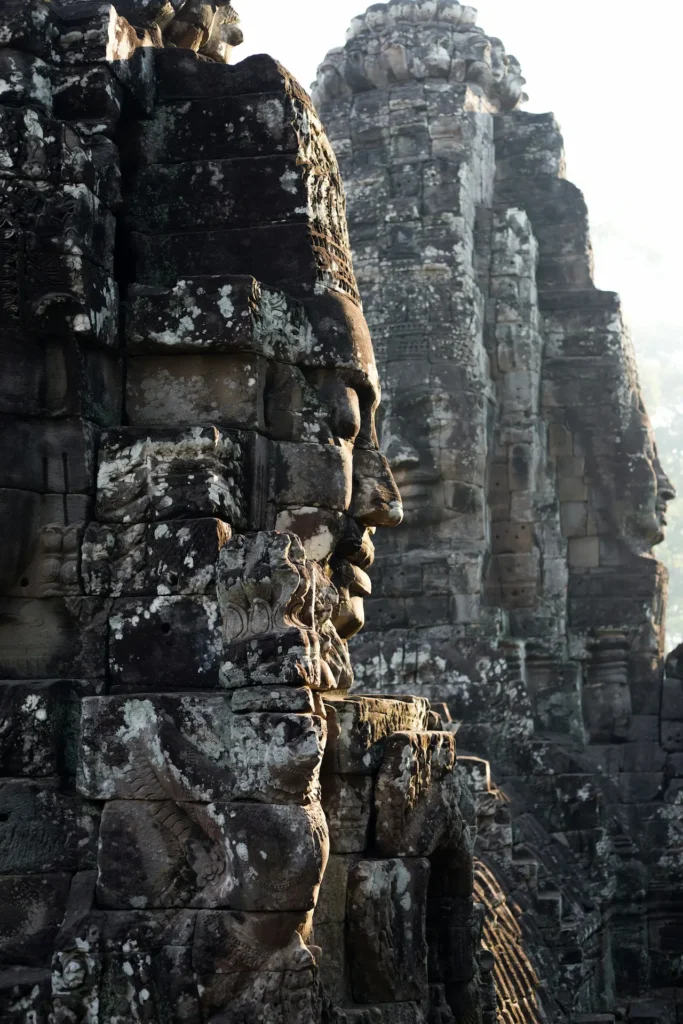
- Bayon Temple: 216 serene stone faces, incredible detail
- Baphuon Temple: Pyramid mountain, steep stairs
- Terrace of Elephants: Royal viewing platform
- Terrace of Leper King: Detailed carvings
- Best timing: Mid-morning after Angkor Wat
- Tip: Explore Bayon ground level first, then climb for face close-ups
Ta Prohm:
- Time needed: 1-2 hours
- Highlight: Nature reclaiming architecture (massive tree roots embracing stones)
- Famous: Tomb Raider filming location
- Best timing: Early morning (7-8am) or late afternoon (4-5pm) to avoid crowds
- Tip: Explore beyond main area; back sections often empty
Banteay Srei:
- Time needed: 1-2 hours
- Distance: 25km from main complex (45-minute drive)
- Highlight: Pink sandstone with incredibly intricate carvings (finest in Angkor)
- Best timing: Morning (8-10am), combine with other outer temples
- Worth it: Absolutely; justifies longer journey
Sunrise/sunset temples:
Angkor Wat sunrise:
- Timing: Arrive 5:15am for positioning (sunrise around 5:30-6am depending on season)
- Location: Left reflection pond (facing Angkor Wat) for classic view
- Crowds: Heavy but experience still magical
- Tip: Stay after sunrise to explore interior when emptier
Pre Rup sunset:
- Better than Angkor Wat (which doesn’t allow upper-level sunset viewing)
- Pyramid temple with 360-degree views
- Fewer crowds than Phnom Bakheng
- Arrive 4:30pm for positioning
Transportation around temples:
Tuk-tuk (Most Common):
- Cost: $15-20 full day, $10-12 half day, $20-25 for outer temple circuits
- Pros: Comfortable, can carry water/snacks, driver waits at each temple, flexible timing
- Book: Through hotel or directly with drivers
Bicycle:
- Cost: $2-4/day rental
- Pros: Independence, exercise, eco-friendly, budget option
- Cons: Heat exhausting, distances longer than they appear, no storage for belongings
- Best for: Fit travelers visiting nearby temples only
Motorbike:
- Cost: $5-8/day
- Requirements: International Driving Permit technically required
- Pros: Complete freedom, explore at own pace
- Cons: Traffic, heat, safety concerns, need experience
- Not recommended: First-time riders, heat-sensitive travelers
Private car with AC:
- Cost: $35-50/day
- Pros: Air conditioning, comfort, storage space
- Best for: Families, heat-sensitive travelers, those with budget flexibility
Guided tours:
- Cost: $25-40/person group tours, $40-80 private guides
- Pros: Historical context, optimal timing, hidden spots, photo opportunities
- Worth it: Especially for first Angkor visit
- Book: Through hotels, tour operators, directly with guides
Temple Touring Strategies
Clothing:
- Modest required: Shoulders and knees covered (strictly enforced at major temples)
- Light, breathable fabrics
- Hat essential (brutal sun)
- Comfortable walking shoes (lots of stairs, uneven stones)
Sun protection:
- SPF 50+ sunscreen (reapply every 2 hours)
- Sunglasses
- Wide-brimmed hat
- Seek shade during midday
Hydration:
- Bring 2-3 liters water per person per day
- Vendors at temples charge $1 (vs $0.25-0.50 in town)
- Refill at hotels before departure
Pacing:
- Don’t attempt all major temples in one day
- Quality over quantity
- Rest breaks essential
- Midday siesta recommended (return 2-4pm)
Photography:
- Golden hours: 6-8am, 4-6pm (best light)
- Midday light harsh (terrible shadows)
- Bring extra batteries/memory cards
- Respect “no photo” signs (rare but exist)
Avoiding crowds:
- Visit major temples very early (6-7am) or late afternoon (4-5pm)
- Midday hours see tour group invasions
- Lesser-known temples stay empty all day
Beyond Angkor: Siem Reap Activities
Siem Reap Cambodia travel offers much more than temples.
Cultural Experiences
Apsara dance performances:
- Cost: $12-15 including buffet dinner, $35-50 premium venues
- Duration: 1 hour
- Venues: Multiple restaurants, resort properties
- Worth it: Essential cultural experience (at least once)
- Booking: Same-day usually available
Cooking classes:
- Cost: $25-35
- Duration: Half day (usually morning)
- Includes: Market visit, cooking 3-4 traditional dishes, eating your creations, recipe book
- Popular schools: Multiple options; read reviews carefully
- Book: 1-2 days ahead
Phare Circus:
- Cost: $18-38 depending on seating
- Performance: Cambodian contemporary circus (acrobatics, theater, music)
- Social enterprise: Supports underprivileged youth training
- Worth it: Highly rated, unique experience
- Book: Online or at venue
Cambodian Cultural Village:
- Cost: $12
- Duration: 2-3 hours
- Content: Miniature representations of Cambodian ethnic villages
- Opinion: Somewhat touristy but educational
- Best for: Families with children, those interested in ethnic diversity
Traditional craft workshops:
- Silk weaving: Artisans Angkor (free tour, workshop purchases support artisans)
- Stone carving: Watch sculptors creating temple reproductions
- Silver crafting: Traditional techniques preserved
- Pottery: Hands-on workshops available
Floating Villages and Tonle Sap Lake
Kompong Khleang (Best Option):
- Distance: 55km (1.5 hours)
- Cost: $20-30 half-day tour including transport and boat
- Why better: Most authentic, least touristy, genuine community
- Season: Best July-December when water levels high
Kompong Phluk:
- Distance: 30km (1 hour)
- Cost: $20-25
- Character: Stilted houses, mangrove forests
- Season: Best rainy season when flooded forest accessible
Chong Kneas (Avoid):
- Distance: 15km (30 minutes)
- Problem: Heavily commercialized, staged poverty tourism, aggressive vendors
- Only visit: If extremely time-limited and must see floating village
Ethical considerations:
- Choose community-based tourism operators
- Avoid “orphanage” visits (many fake)
- Respectful photography (always ask permission)
- Support local businesses directly
Countryside Activities
Cycling tours:
- Cost: $25-40 including bike, guide, lunch
- Duration: Half or full day
- Experience: Rice paddies, villages, temples, local life
- Fitness: Moderate (flat terrain but hot)
- Book: Tour operators, hotels
Quad biking:
- Cost: $40-65
- Duration: 2-4 hours
- Experience: Countryside, rice paddies, sometimes remote temples
- Fun but controversial: Environmental concerns, noise disturbing villages
Zip-lining:
- Cost: $35-50
- Location: Angkor Zipline (through jungle, views of Western Baray)
- Duration: 2-3 hours
- Safety: Good reputation
- Worth it: If you enjoy adventure activities
Birdwatching:
- Location: Prek Toal Bird Sanctuary (Tonle Sap Lake)
- Best season: December-March (migratory birds)
- Cost: $40-60 including boat, guide
- For: Serious birdwatchers (casual tourists may find it slow)
Where to Eat in Siem Reap
The food scene combines authentic Khmer cuisine with international options.
Must-Try Khmer Restaurants
Budget ($2-5 per meal):
- Sok San Road food stalls: Local favorite street food area
- Old Market vendors: Breakfast and lunch options
- Night Market food court: Evening variety
Mid-range ($5-12 per meal):
- Mahob Khmer Cuisine: Traditional recipes, beautiful setting
- Chanrey Tree: Upscale Khmer in traditional wooden house
- Genevieve’s: Khmer with modern twists, training restaurant
- Sugar Palm: Authentic Khmer, popular with locals and tourists
Specialties to try:
- Fish amok (coconut curry steamed in banana leaves)
- Lok lak (stir-fried beef with pepper sauce)
- Khmer red curry
- Nom banh chok (Khmer noodles, breakfast favorite)
- Fresh spring rolls
International Cuisine
Western food:
- FCC Angkor: Colonial atmosphere, international menu
- Sister Srey: Excellent burgers
- Viva: Mexican food (surprisingly good!)
- Gelato Lab: Best ice cream in town
Asian variety:
- Marum: Training restaurant, mixed Asian fusion
- Mie Cafe: Vietnamese pho and banh mi
- Kimchi: Korean
- Curry Walla: Indian
Cafes and Bakeries
Coffee:
- Brown Coffee: Cambodian chain, excellent iced coffee
- The Little Red Fox Espresso: Quality espresso drinks
- Cafe Moi Moi: Charming atmosphere
Breakfast/Brunch:
- Bloom: Healthy options, smoothie bowls
- Butter Fly Pea: Khmer breakfast options
- Khmer Kitchen: Local breakfast specialties
Pub Street and Nightlife
Pub Street characteristics:
- Pedestrian-only evening street
- Bars, clubs, restaurants
- Cheap drinks ($1-3 beers, $3-6 cocktails)
- Young traveler crowd
- Open late (2-3am many places)
Popular bars:
- Angkor What?: Backpacker favorite
- Temple Bar: Multiple levels, lively
- The Yellow Sub: Live music some nights
Alley West:
- Adjacent to Pub Street
- Slightly more mature atmosphere
- Better cocktails
- Higher prices but still reasonable
Night markets:
- Old Market area: Shopping and food
- Made in Cambodia Market: Handicrafts focus
- Open evenings: 5pm-late
Practical Siem Reap Cambodia Travel Tips
Money Matters
Currency:
- US Dollars primary (widely accepted)
- Cambodian Riel for change
- Exchange rate: $1 = 4,000 Riel approximately
ATMs:
- Widely available throughout town
- Fees: $4-5 per withdrawal
- Strategy: Withdraw larger amounts ($100-200) to minimize fees
- Cards accepted: Most international cards (Visa, Mastercard)
Cash vs Cards:
- Need cash: Street food, tuk-tuks, small shops, markets
- Cards accepted: Hotels, mid-range+ restaurants, tour operators
- Bring: Small bills ($1, $5, $10) for tips and small purchases
Tipping:
- Not mandatory but appreciated
- Tour guides: $5-10/day
- Tuk-tuk drivers: Round up fare or $1 tip for great service
- Restaurants: 10% for good service
- Massage: $1-2
Transportation Within Siem Reap
Tuk-tuks (Primary):
- Cost: $2-3 short trips, $5-7 longer distances
- Negotiate before departure
- Hotel cards help drivers understand destination
- Keep driver’s number for return trips
Grab app:
- Available throughout Siem Reap
- Similar prices to negotiated tuk-tuks
- Eliminates negotiation
- Download before arrival
Walking:
- Old Market area compact and walkable
- Most attractions require tuk-tuk
- Heat makes extended walking challenging
Bicycles:
- Rental: $2-4/day
- Best for: Exploring town at leisure
- Not recommended: Temple touring (distances too far)
Motorbikes:
- Rental: $5-8/day
- Requirements: International Driving Permit
- Traffic: Manageable compared to larger cities
- Only for: Experienced riders
Communication
SIM cards:
- Available: Airport, phone shops throughout town
- Cost: $5-10 for tourist SIM with data
- Providers: Cellcard, Smart, Metfone (all similar)
- Necessary: For Grab app, maps, communication
WiFi:
- Available: All hotels, most restaurants, cafes
- Quality: Generally good in tourist areas
- Speed: Sufficient for messaging, browsing (streaming sometimes slow)
Language:
- English: Widely spoken in tourist areas
- Khmer phrases: Appreciated (hello = “som reu sdey”, thank you = “aw kohn”)
- Translation apps: Google Translate offline Khmer helpful
Health and Safety
Health:
- Water: Drink only bottled (widely available, $0.25-0.50)
- Street food: Generally safe (choose busy stalls)
- Pharmacies: Available for minor issues
- Hospitals: International clinics for serious issues (expensive)
Safety:
- Generally safe: Low violent crime
- Watch belongings: Pickpockets exist crowded areas
- Avoid: Unlit areas alone at night
- Transportation: Use registered taxis/Grab
- Scams: Rare but exist (overpriced tuk-tuks, gem scams)
Travel insurance:
- Essential: Medical coverage, evacuation
- Cost: $40-80 for two weeks
- Don’t skip: Serious illness requires Bangkok evacuation ($$$)
Day Trips from Siem Reap
Extend your Siem Reap Cambodia travel with these nearby destinations.
Beng Mealea Temple:
- Distance: 65km (1.5 hours)
- Cost: $5 entrance, $40-50 private car, $25-35 tuk-tuk
- Worth it: Absolutely; atmospheric jungle temple, fewer crowds
- Combine: Often paired with other remote temples (full-day circuit)
Koh Ker Temple Complex:
- Distance: 120km (2.5 hours)
- Cost: $10 entrance, $60-80 private car (tuk-tuk not recommended for distance)
- Highlight: 7-story pyramid temple (climbable)
- Combine: With Beng Mealea for full-day remote temple adventure
Battambang:
- Distance: 170km (3-4 hours by bus, 6-8 hours by boat)
- Duration: Overnight recommended (though possible day trip)
- Highlights: Bamboo train, bat caves, countryside charm
- Transport: Bus $6-10, boat $20-25 (seasonal, scenic but uncomfortable)
Preah Vihear Temple:
- Distance: 230km (4+ hours)
- Cost: $10 entrance, $100-120 private car (long-distance)
- Highlight: Mountain-top temple, Cambodia-Thailand border, stunning views
- Duration: Very long day trip or overnight in nearby town
Kompong Thom:
- Distance: 150km (3 hours)
- Highlight: Sambor Prei Kuk (7th-century temples, UNESCO site)
- Cost: $10 entrance, $70-90 private car
- Less touristy: Rarely visited alternative to Angkor
Final Siem Reap Cambodia Travel Tips
Book temple transport first night: Secure tuk-tuk driver for temple days; competition fierce but quality varies
Sunrise realistic: If you’re not a morning person, skip Angkor Wat sunrise; afternoon visits provide excellent experiences without 4:45am wake-ups
Pace yourself: Temple fatigue is real; alternate temple days with recovery/other activities
Hydrate constantly: Heat and humidity demand water intake; don’t wait until thirsty
Download offline maps: Maps.me works without data; mark your hotel for easy navigation
Bring small bills: Breaking large bills often “impossible” (code for wanting larger tips); $1-5 bills prevent this
Modest clothing: Covered shoulders, knees required at temples; bring scarf/sarong for flexibility
Protect valuables: Hotel safes for passports, excess cash; don’t flash expensive items
Tuk-tuk negotiation: Agree prices before departure; initial offers often 2-3x fair rates
Be flexible: Best experiences often unplanned; leave room for spontaneity
Your Siem Reap Adventure Awaits
Siem Reap Cambodia travel combines ancient wonders, cultural depth, authentic experiences, and modern comforts in one captivating destination. The temples will astound you. The food will surprise you. The countryside will charm you. Most importantly, the Cambodian people will inspire you with their warmth despite tragic history.
This isn’t effortless resort vacation. Siem Reap Cambodia travel requires early wake-ups for sunrise, patience with heat and humidity, cultural sensitivity at sacred sites, and flexibility when plans change. But these very challenges create authentic experiences packaged tourism can’t replicate.
You’ll leave with profound memories, not just Instagram photos. You’ll understand architectural genius, historical tragedy, and human resilience. You’ll carry experiences that luxury resorts never create.
What is the best time to visit Siem Reap in 2025?
The best time to visit Siem Reap in 2025 is from November to February, when the weather is cool, dry, and ideal for exploring Angkor Wat. March–May is hot, while June–October is rainy but offers fewer crowds and cheaper prices.
How many days do you need in Siem Reap?
Most travelers need 3–4 days in Siem Reap to explore Angkor Wat, Angkor Thom, Ta Prohm, the floating villages, and the night markets. If you want a relaxed pace or additional temples, consider 5 days.
Is Siem Reap safe to visit?
Yes, Siem Reap is generally safe for tourists, including solo travelers. Petty theft can occur in crowded areas, so keep your belongings secure. Tuk-tuk scams are rare but possible—always confirm the price before riding.
How much does it cost to visit Angkor Wat?
Angkor Archaeological Park ticket prices for 2025 are:
1-day pass: $37
3-day pass: $62
7-day pass: $72
Most travelers choose the 3-day pass for a balanced temple experience.
What is the best area to stay in Siem Reap?
The best areas to stay in Siem Reap are:
Old Market / Pub Street area – nightlife, restaurants, convenience
Wat Bo Road – quieter, great boutique hotels
Sok San Road – mid-range stays and easy access to attractions
Charles de Gaulle Blvd – luxury resorts near Angkor Wat
Can I visit Siem Reap on a budget?
Yes! Siem Reap is very budget-friendly. You can travel comfortably on $30–50/day by choosing affordable guesthouses, local restaurants, and shared tuk-tuk temple tours.
Do I need a guide for Angkor Wat?
A guide is optional, but highly recommended. A licensed guide helps you understand temple history, architecture, and hidden spots. Guided tours cost $15–40 depending on the route.
Ready to plan your Siem Reap adventure?
Next steps:
- Decide duration (3-7 days recommended)
- Choose accommodation neighborhood matching preferences
- Book flights 8-12 weeks ahead for best prices
- Purchase temple pass (3-day for most travelers)
- Research restaurants and activities beyond temples
- Pack appropriately (modest, light, sun protection)
- Download essential apps (Grab, Maps.me, Google Translate offline)
- Purchase travel insurance
- Get excited!
Plan Your Perfect Siem Reap Adventure
📧 Have questions about planning your Siem Reap trip? Drop a comment below or Contact us for personalized budget travel advice
Need more Cambodia planning guidance?
- Cambodia Travel Itinerary – Complete multi-destination routes
- Best Places to Travel in Cambodia – Beyond Siem Reap destinations
- Cambodia Travel Cost – Budget planning
- Travelling Through Cambodia – Comprehensive country guide
Siem Reap awaits. The temples are calling. Your adventure begins now!
The temples are waiting. The islands are pristine. The adventures are endless. The best places to travel in Cambodia are ready to exceed your expectations.
Start planning your unforgettable Cambodian journey today!
💡 Pro tip: Bookmark this page and share it with fellow travelers planning their Vietnam adventure!
✈️ Ready to book? Check current flight deals to Cambodia and top-rated hostels.
Have you visited Cambodia during different seasons? Share your experiences and timing recommendations in the comments below to help fellow travelers choose the best time for their adventures!
Last Updated: December 2025