
This comprehensive Hoi An Ancient Town walking guide reveals the secrets of Vietnam’s most enchanting UNESCO World Heritage Site, taking you beyond the crowded main streets to discover hidden alleyways, secret photo spots, and authentic corners that most tourists miss. Whether you’re visiting for a day or staying a week, this guide helps you experience Hoi An’s ancient charm at its most magical.

👉 Also Read for Daily Vietnam Travel Cost
Why You Need This Hoi An Ancient Town Walking Guide
Hoi An Ancient Town appears deceptively small on maps, but this compact area conceals layers of history, architecture, and culture that reward slow, deliberate exploration. Without guidance, most visitors stick to the handful of famous sites along the main waterfront, missing the labyrinth of atmospheric lanes where authentic old-town magic truly resides.
Understanding Hoi An’s Unique Charm
Living Heritage: Unlike museum-piece ancient towns, Hoi An pulses with daily life. Families still inhabit centuries-old merchant houses, artisans practice traditional crafts in ancestral workshops, and local vendors sell the same foods their great-grandparents prepared. This Hoi An Ancient Town walking guide helps you experience this living heritage authentically.
Architectural Fusion: Hoi An’s buildings reflect the town’s history as a major Southeast Asian trading port, blending Vietnamese, Chinese, Japanese, and European influences. Walking through different neighborhoods reveals these architectural layers—Japanese-style covered bridges, Chinese assembly halls, French colonial buildings, and traditional Vietnamese tube houses.
Changing Atmospheres: Hoi An transforms throughout the day and seasons. Morning mist shrouds yellow walls, midday sun creates dramatic shadows, afternoon rains refresh the air, and evening lanterns bathe everything in warm amber light. This guide shows you when and where to experience each magical atmosphere.

The Monthly Full Moon Festival: On the 14th day of each lunar month, all electric lights extinguish, leaving only lanterns and candles illuminating the ancient town. Streets fill with traditional music, floating lantern releases, and candlelit ceremonies. This Hoi An Ancient Town walking guide includes special routes for experiencing this monthly transformation.
Essential Information Before You Start Walking
Entrance Tickets and Access
Old Town Ticket System: Exploring requires purchasing an Old Town ticket (currently 120,000 VND / approximately $5) valid for 24 hours, allowing entry to five attractions of your choice from a list of 21 sites including:
- Ancient houses (Tan Ky, Duc An, Phung Hung)
- Assembly halls (Fujian, Cantonese, Chaozhou)
- Museums (various themed museums)
- Traditional music performances
- Japanese Covered Bridge (sometimes included, sometimes separate)
Where to Buy Tickets: Official ticket booths located at major entry points:
- Near Japanese Covered Bridge
- At Nguyen Thi Minh Khai intersection
- Bach Dang Street near riverside
- Various checkpoints throughout town
Important Notes:
- Keep your ticket—inspections occur randomly
- Some major streets have checkpoints, while small alleys don’t
- Many shops, restaurants, and galleries don’t require tickets
- The ticket system primarily covers heritage buildings and museums
Best Times for Walking Hoi An
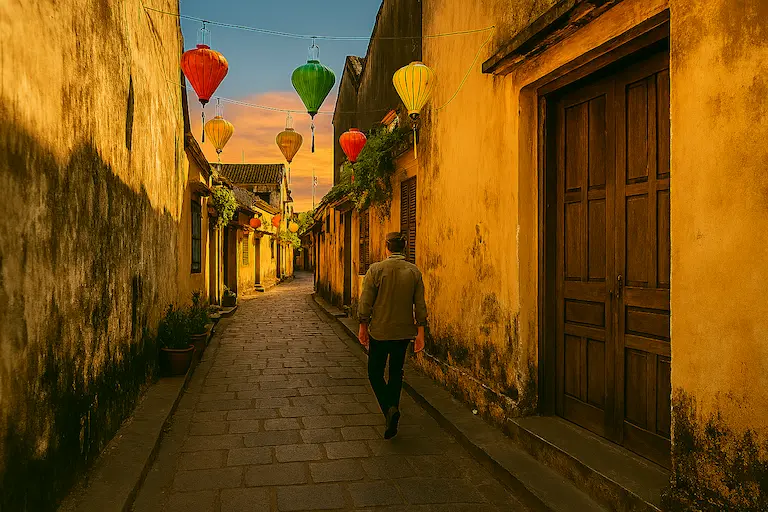
Early Morning (5:30-8:00 AM):
- Cool temperatures perfect for walking
- Soft morning light ideal for photography
- Local market activity at its peak
- Few tourists allowing peaceful exploration
- Open shops and fresh-cooked breakfast foods

Late Afternoon (4:00-6:30 PM):
- Harsh midday sun passes
- Golden hour light transforms yellow walls
- Shops reopening after siesta
- Increasing energy as evening approaches
- Perfect timing to transition into magical lantern-lit evenings
Evening (6:30-10:00 PM):
- Lanterns create enchanted atmosphere
- Riverside comes alive with dining and entertainment
- Cooler temperatures comfortable for walking
- Romantic ambiance peaks
- Street food vendors emerge
Avoid Mid-Day (11:00 AM-3:00 PM):
- Intense heat and humidity
- Harsh overhead light poor for photography
- Many shops close for lunch/siesta
- Tourist crowds at their peak
- Energy-draining conditions
What to Bring
Essential Items:
- Comfortable walking shoes (you’ll cover several kilometers)
- Reusable water bottle (refill at accommodations)
- Sun protection (hat, sunscreen, sunglasses)
- Light rain jacket or umbrella (weather changes quickly)
- Small backpack for purchases and layers
- Fully charged phone/camera with empty storage
- Cash in small denominations (many places don’t accept cards)
Optional But Helpful:
- Portable fan (heat can be intense)
- Hand sanitizer and wet wipes
- Notebook for writing addresses of places to revisit
- Offline maps downloaded (Maps.me works well)
- Lightweight sarong (multipurpose: sun protection, temple cover-up, picnic blanket)
The Ultimate Hoi An Ancient Town Walking Route
This comprehensive walking route covers approximately 4-5 kilometers, requires 4-6 hours with stops, and reveals both famous landmarks and hidden corners. Start early (7:00 AM) to experience the full journey before afternoon heat.
Route Section 1: The Japanese Bridge and Tran Phu Street
Starting Point: Japanese Covered Bridge (Chua Cau)
Begin your Hoi An Ancient Town walking guide journey at this iconic 16th-century bridge connecting Tran Phu and Nguyen Thi Minh Khai streets.
What to See:
- Architectural fusion of Japanese and Vietnamese styles
- Small temple inside honoring Tran Vo Bac De (Northern God)
- Monkey and dog statues at each end (construction began in monkey year, ended in dog year)
- Intricate wooden carvings and colorful painted details
Photography Tips:
- Early morning (6:00-7:30 AM) offers soft light without crowds
- Shoot from riverside walkway for bridge reflections in water
- Frame bridge through doorways and arches of nearby buildings
- Evening lantern light creates magical atmosphere (but extremely crowded)
- During full moon festival, capture bridge illuminated only by lanterns
Hidden Detail: Look for the Vietnamese inscription on the bridge’s north side—few tourists notice this historical plaque.
Walking East on Tran Phu Street:
This main artery showcases Hoi An’s commercial heritage with beautiful shophouse architecture.
Notable Stops:
- Cantonese Assembly Hall (64 Tran Phu): Ornate Chinese guild hall with impressive altar
- Quang Trieu Assembly Hall (176 Tran Phu): Less crowded than others, beautiful courtyard
- Museum of Trading Ceramics (80 Tran Phu): Shows Hoi An’s ceramic trade history
Secret Photo Spot #1: At approximately 120 Tran Phu, find a narrow alley on the riverside leading to a small boat dock. This little-known spot offers excellent river views and traditional boat compositions without tourist crowds.

Route Section 2: Riverside Walk and Bach Dang Street
Turning South to Thu Bon River:
From Tran Phu, turn south (right when facing east) onto any connecting street to reach Bach Dang waterfront promenade.
Bach Dang Street Experience: This riverside pedestrian area stretches along the Thu Bon River, offering:
- Continuous river views with traditional boats
- Numerous riverside restaurants and cafes
- Souvenir shops and art galleries
- Street artists and musicians (evening)
- Floating lantern vendors (evening)
Photography Gold:
- Colorful boats moored along the river
- Reflections of yellow buildings in water
- Sunrise light hitting buildings across river
- Blue boats against yellow walls (classic Hoi An composition)
- Local fishermen maintaining nets and boats
Hidden Spot #2: Hoi An Impression Theme Park Viewpoint:
Walk to the far eastern end of Bach Dang where it meets Nguyen Phuc Chu Street. A small riverside park here offers stunning views back toward the ancient town—perfect for wide-angle shots capturing multiple iconic buildings and bridge reflections. Almost no tourists venture this far, yet the views surpass the crowded central waterfront.

Route Section 3: The Assembly Hall District
Heading North from Riverside:
Turn north (away from river) onto Nguyen Duy Hieu Street, entering the heart of the Chinese assembly hall district.
Fujian Assembly Hall (Phuc Kien) – 46 Tran Phu: The most impressive and popular assembly hall featuring:
- Elaborate gate with ceramic decorations
- Beautiful courtyard with incense coils hanging from ceiling
- Thien Hau Holy Mother altar
- Intricate architectural details throughout
Photography Tips:
- Photograph the circular gate framing courtyard beyond
- Capture massive incense coils creating spiral patterns
- Soft light through latticework creates beautiful patterns
- Arrive early (7:00-8:00 AM) before tour groups
Secret Access: A small alley to the left of the main entrance leads to a lesser-used side entrance where you can often photograph the hall from a different angle with fewer people.
Chaozhou Assembly Hall (157 Nguyen Duy Hieu): Often overlooked, this smaller hall offers:
- Elaborate woodcarvings
- Peaceful atmosphere (fewer visitors)
- Beautiful altar and decorations
- Intricate roof details
Photography Secret: From inside, frame the entrance doorway with interior architectural details—this composition captures the transition from outer to inner space beautifully.
Route Section 4: Hidden Alley Network
Exploring the Labyrinth:
This section of the Hoi An Ancient Town walking guide reveals the magic: wandering the narrow lanes between main streets where authentic old-town atmosphere thrives.
Le Loi Street and Parallel Alleys:
Walk along Le Loi Street (parallel to and north of Tran Phu), then explore connecting alleys.
What You’ll Discover:
- Local families living in traditional houses
- Artisan workshops (lantern makers, tailors, wood carvers)
- Small temples and shrines
- Quiet cafes in converted old houses
- Photo-perfect doorways and architecture details
- Daily life scenes tourists rarely witness
Hidden Photo Spots #3-5:
#3: Hoang Van Thu Alley: A narrow lane connecting Tran Phu and Le Loi streets, this alley features:
- Classic yellow walls with green wooden shutters
- Potted plants creating splashes of color
- Bicycles leaning against walls
- Minimal tourist traffic allowing uninterrupted photography
#4: Nguyen Thai Hoc Street Lantern Shops: This street contains numerous lantern workshops where you can photograph:
- Artisans handcrafting lanterns
- Colorful lanterns in various stages of production
- Workshop interiors with traditional tools
- Masters teaching apprentices
#5: Small Shrine Near 77 Phan Chu Trinh: A tiny neighborhood shrine locals use daily offers:
- Intimate glimpse into local spiritual life
- Photogenic altar with offerings
- Atmospheric incense smoke
- Respectful photography welcome (ask first)
Navigation Tips: Don’t worry about getting lost—Hoi An’s ancient town is small enough that you’ll always emerge onto a familiar street. Getting “lost” often reveals the best discoveries.
Route Section 5: Tan Ky Ancient House and Surroundings
101 Nguyen Thai Hoc Street:
This 200-year-old merchant house (use one of your five ticket entries) demonstrates traditional architecture and lifestyle.
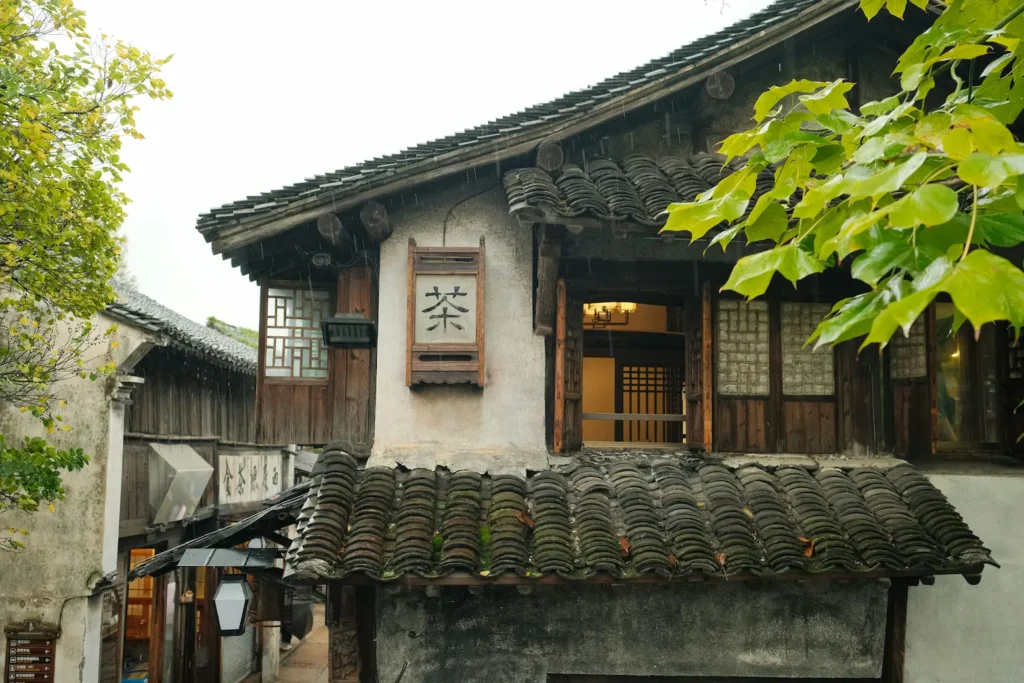
What Makes It Special:
- Seven generations of the same family have lived here
- Japanese, Chinese, and Vietnamese architectural influences
- Original furniture and household items
- Hanging poems written by former Chinese scholars
- Balcony overlooking the street
Photography:
- Central courtyard with natural light well
- Architectural details (brackets, carvings, latticework)
- Dark wooden interiors creating dramatic light and shadow
- Furniture arrangements showing historical lifestyle
Expert Tip: Visit early in your walk (8:00-9:00 AM) when light streams through the courtyard’s open roof creating beautiful beams through the dark interior.
Surrounding Area Exploration:
The streets surrounding Tan Ky contain numerous similar but free-to-enter old shops and cafes. Simply wandering and peeking into open doors reveals architectural treasures.
Route Section 6: Local Market Area
Central Market (Cho Hoi An) – Nguyen Duy Hieu/Bach Dang:
No Hoi An Ancient Town walking guide is complete without the local market experience.
What to Experience:
- Fresh produce, meat, and seafood (arrive early for full selection)
- Food stalls serving local breakfast dishes
- Vendors selling flowers, herbs, and spices
- Authentic local shopping (not touristy)
- Photographic opportunities capturing daily life
Photography Considerations:
- Always ask permission before photographing vendors
- Early morning (6:00-8:00 AM) offers best light and activity
- Focus on details: colorful produce, vendor hands, scale interactions
- Environmental portraits showing vendors with their goods
- Be respectful—this is their workplace, not a tourist attraction
Breakfast Recommendation: Try cao lau, mi quang, or banh mi from market food stalls for authentic local breakfast experience.
Route Section 7: Waterfront South of Bridge
Nguyen Phuc Chu Street:
Cross back south over a different bridge (An Hoi footbridge) or return to Japanese Bridge to explore the southern waterfront.
An Hoi Peninsula: Less developed than the northern ancient town, this area offers:
- Quieter atmosphere with fewer tourists
- Traditional neighborhoods
- Small workshops and craft shops
- Riverside walks with different perspectives
- Authentic local life
Hidden Spot #6: An Hoi Bridge at Sunset:
The footbridge connecting the ancient town to An Hoi Peninsula becomes magical at sunset. Arrive around 5:30-6:00 PM to capture:
- Sunset colors reflecting in the river
- Silhouettes of boats and bridge
- Yellow buildings glowing in golden hour light
- Far fewer tourists than Japanese Bridge
- 360-degree photographic opportunities
Route Section 8: Cam Pho District
Off-the-Beaten-Path Exploration:
The Cam Pho district, northwest of the main ancient town, rarely appears in guidebooks but offers authentic experiences.
What You’ll Find:
- Residential neighborhoods where locals live
- Small family temples and shrines
- Traditional Vietnamese architecture (less Chinese influence)
- Authentic street food vendors
- Glimpses of contemporary Hoi An life
Hidden Spot #7: Cam Pho Communal House:
This small community gathering space near Hai Ba Trung Street offers:
- Traditional Vietnamese architecture
- Peaceful courtyard
- Local elderly gathering for tea and conversation
- Respectful photography opportunities (ask permission)
Getting There: From the central ancient town, walk west on Tran Phu until it becomes Le Hong Phong, then explore the surrounding alleys.
Special Photography Locations and Techniques
Golden Hour Magic
Best Sunrise Locations:
- Bach Dang waterfront facing east: Capture sunrise over the river with boats
- Japanese Bridge from the west side: Morning light illuminating bridge face
- Any narrow east-west alley: Sun rays streaming between buildings
- Rooftop cafes: Several cafes offer elevated views (arrive early to claim spots)
Best Sunset Locations:
- An Hoi Bridge: Western sky reflected in river
- Riverside south of Japanese Bridge: Sunset behind ancient town buildings
- Any rooftop bar/restaurant: Book early to secure sunset-view tables
- Boat rides: Sunset river cruises offer unique perspectives
Rainy Day Photography
Don’t let rain discourage you—wet Hoi An offers unique photographic opportunities:
What to Capture:
- Reflections in wet cobblestones
- Lantern light diffused by rain
- People with colorful umbrellas
- Rain creating patterns on the river
- Steam from street food vendors
- Dramatic storm clouds over ancient buildings
Technical Tips:
- Bring plastic bags or rain covers for camera
- Use faster shutter speeds to freeze rain drops
- Shoot from under covered walkways and shophouses
- Reflections work best shortly after rain stops
Night Photography and Lanterns
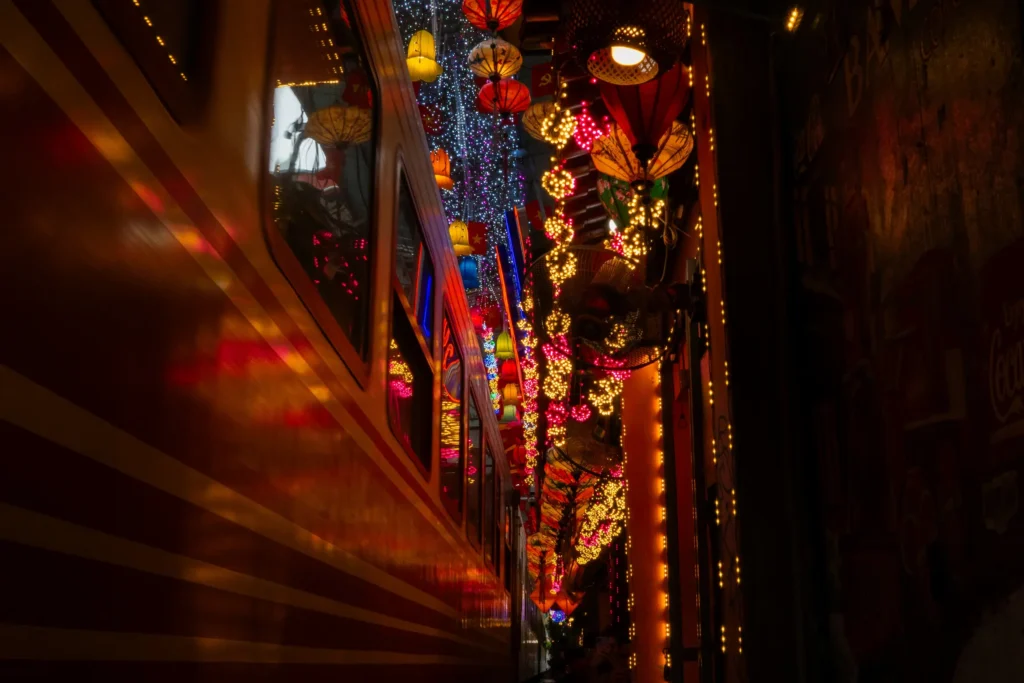
Essential Evening Locations:
- Japanese Bridge (6:30-8:30 PM):
- Arrive early to secure position
- Use tripod for long exposures
- Capture bridge reflections in river
- Frame with surrounding lanterns
- Bach Dang Riverside:
- Continuous lantern displays
- Colorful boats illuminated
- Restaurants with atmospheric lighting
- Floating lantern releases (rent lanterns from vendors)
- Small Alleys:
- Less crowded than main streets
- Atmospheric lantern glow
- Silhouettes and shadows
- Local life in evening light
Technical Settings:
- ISO 1600-3200 (modern cameras handle this well)
- Wide aperture (f/1.8-2.8) if possible
- Shutter speed 1/60s or faster to avoid blur
- Use image stabilization or tripod
- Shoot in RAW for editing flexibility
Composition Tips Specific to Hoi An
Classic Compositions:
- Yellow walls with green shutters
- Lanterns reflected in water
- Bicycles against colorful walls
- Doorways framing courtyards beyond
- Vietnamese women in traditional ao dai
- Boats with colorful painted designs
Unique Perspectives:
- Shoot through latticework and carved windows
- Use archways as natural frames
- Capture reflections in merchant house windows
- Include foreground elements (flowers, lanterns, pottery) for depth
- Photograph from boat level on the river
Detail Shots:
- Weathered door handles and hinges
- Ceramic decorations on roofs
- Handwritten shop signs
- Incense coils and smoke patterns
- Textile patterns in tailor shops
- Food preparation in street stalls

Practical Walking Tips and Considerations
Navigating Hoi An’s Streets
Understanding the Layout:
- Ancient town occupies roughly 1 square kilometer
- Main streets (Tran Phu, Le Loi, Bach Dang) form recognizable grid
- Connecting alleys create maze-like network
- River (Thu Bon) provides constant orientation reference (always south/southeast)
- Japanese Bridge serves as central landmark
Navigation Tools:
- Download Maps.me with offline Hoi An map
- Google Maps works but requires data connection
- Physical maps available free at hotels and tourist information
- Landmarks help more than street names
- Don’t fear getting lost—it’s part of the adventure
Staying Safe While Walking
General Safety: Hoi An is very safe, but observe common-sense precautions:
- Watch for motorbikes on narrow streets (they legally drive there)
- Cobblestones can be slippery when wet
- Keep valuables secure in crowded areas
- Stay hydrated (carry water)
- Wear sun protection (heat exhaustion is real)
- Watch step heights entering shops (traditional thresholds)
Scams to Avoid:
- Overpriced cyclo/taxi rides (agree on price before starting)
- Aggressive tailor touts (politely decline)
- “Special price” tourist shops (browse multiple shops)
- Photo fees at some locations (legitimate or not, you decide)
Respecting Local Culture
Photography Etiquette:
- Always ask permission before photographing people
- Respect private property (don’t enter unless invited)
- Avoid photographing funerals or somber ceremonies
- Don’t photograph monks without asking
- Children require parent permission
Behavior in Sacred Spaces:
- Remove shoes entering temples and ancestral homes
- Dress modestly (shoulders and knees covered)
- Speak quietly
- Don’t touch altars or religious artifacts
- Turn off phone ringers
Best Routes for Different Interests
For History Buffs (3-4 hours): Japanese Bridge → Tan Ky House → Fujian Assembly Hall → Chaozhou Assembly Hall → Museum of Trading Ceramics → Quan Cong Temple → Museum of History and Culture
For Photography Enthusiasts (Full day): Sunrise at Bach Dang → Morning alleys → Market → Tan Ky house interiors → Assembly halls → Lunch break → Afternoon artisan workshops → Golden hour at An Hoi Bridge → Evening lantern photography
For Culture and Crafts (4-5 hours): Lantern workshops → Tailor shops → Pottery workshops → Silk shops → Traditional music performance → Cooking class demonstration → Local market
For Relaxed Wandering (2-3 hours): Japanese Bridge → Riverside walk → Random alley exploration → Coffee at old house cafe → Shops and galleries → Return via different route
Beyond the Ancient Town: Nearby Walks
An Bang Beach Walk (30-minute cycle/10-minute drive)
While not technically part of this Hoi An Ancient Town walking guide, nearby An Bang Beach deserves mention for morning or afternoon breaks from ancient town exploration.
What to Do:
- Morning beach walks (sunrise is spectacular)
- Beach club lounging
- Fresh seafood lunch
- Swimming and relaxation
- Sunset cocktails
Getting There:
- Rent bicycle in ancient town (1-2km ride through rice paddies)
- Motorbike taxi (negotiate ~$3-5 round trip)
- Hotel shuttle (many accommodations offer free bikes)
Rice Paddy Village Walks
Tra Que Vegetable Village (2km from ancient town):
- Organic vegetable farming
- Cooking class opportunities
- Rural scenery
- Traditional farming methods
- Bicycle-friendly flat roads
Cam Thanh Coconut Village (5km from ancient town):
- Water coconut forest
- Traditional basket boat rides
- Fishing experiences
- Rural homestays
- Peaceful countryside
Seasonal Considerations for Your Walking Tour
Dry Season (February-August)
Advantages:
- Reliable sunny weather
- Less chance of rain disrupting plans
- Lower river levels (easier walking along banks)
- All activities operating fully
Challenges:
- Hot temperatures (30-35°C) require early starts
- More tourists (especially March-May)
- Harsh midday light less flattering for photography
Strategy: Walk early morning (6:00-9:00 AM) and late afternoon (4:00-7:00 PM), rest midday.
Wet Season (September-January)
Advantages:
- Fewer tourists (except Christmas/New Year)
- Lush green surroundings
- Dramatic skies for photography
- More authentic atmosphere
- Lower accommodation prices
Challenges:
- Afternoon rain common (typically 2-4 hours)
- High humidity
- Occasional flooding (October-November)
- Some outdoor activities cancelled
Strategy: Walk mornings before rain, use afternoon downpours for museum visits, enjoy post-rain evening atmosphere.
Full Moon Lantern Festival (14th Lunar Month)
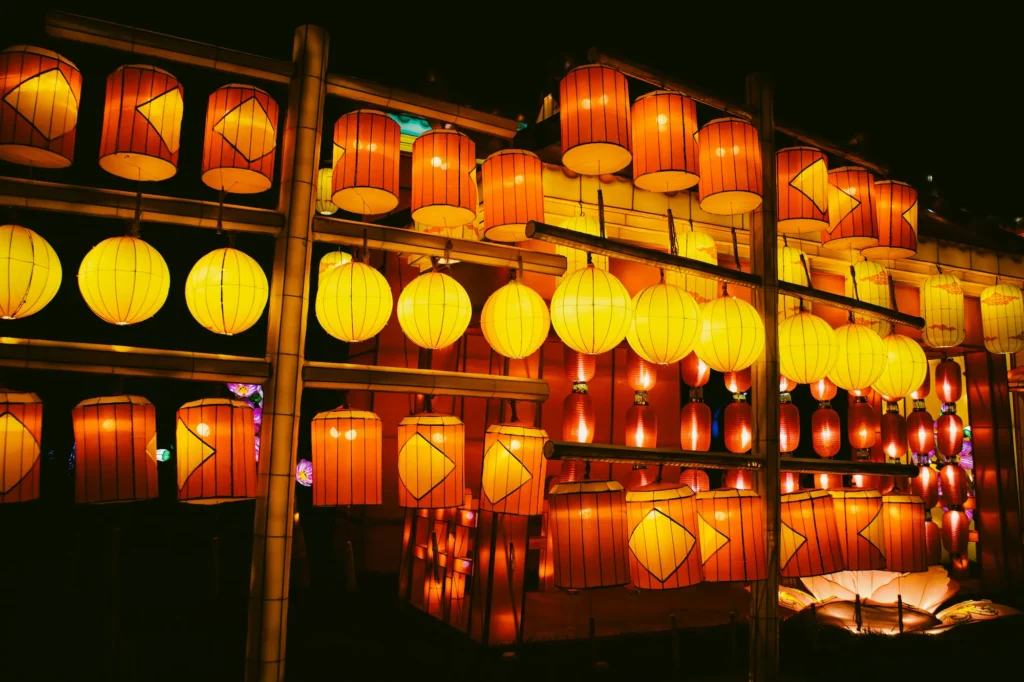
This monthly event transforms Hoi An, making it the best time for evening walking:
What Happens:
- All electric lights extinguished (7:00-10:00 PM)
- Only lanterns and candles illuminate streets
- Traditional music performances
- Floating lantern releases on river
- Special festival foods
- Enhanced romantic atmosphere
Tips for Festival Evening:
- Arrive extra early to secure riverside position
- Bring tripod for photography
- Expect massive crowds
- Book restaurants well ahead
- Experience is magical despite crowds
Frequently Asked Questions About Walking Hoi An
How long does it take to walk around Hoi An Ancient Town?
A basic walk covering main highlights takes 2-3 hours, but this Hoi An Ancient Town walking guide recommends 4-6 hours for a comprehensive experience including stops at attractions, photo opportunities, and refreshment breaks. Serious photographers or history enthusiasts can easily spend full days exploring. The compact size means you can return to areas multiple times during your stay, experiencing different atmospheres at various times of day.
Do I need a guide or can I explore independently?
Hoi An Ancient Town is perfectly navigable independently—this walking guide provides all necessary information for self-guided exploration. The compact size, logical layout, and English signage make independent walking straightforward. However, hiring a local guide for 2-3 hours provides historical context and cultural insights you’d otherwise miss. Many travelers start with independent exploration, then hire guides for specific interests (architecture, history, photography) on subsequent days.
When is the best time of day to avoid crowds in Hoi An?
Early morning (6:00-8:30 AM) offers the most peaceful ancient town experience with soft light, cool temperatures, and minimal crowds. Late afternoon (4:00-5:30 PM) is the second-best option as day-trippers leave and harsh midday sun softens. Evening (after 8:00 PM) sees crowds thin as tour groups return to hotels. Avoid 10:00 AM-2:00 PM when tourist buses flood the town and heat peaks.
Is Hoi An Ancient Town wheelchair or stroller accessible?
Unfortunately, Hoi An’s ancient town has limited accessibility. Uneven cobblestones, high doorway thresholds, narrow alleys, and steps into buildings create challenges for wheelchairs and strollers. Main streets (Tran Phu, Bach Dang) are more manageable, but exploring the atmospheric smaller alleys proves difficult. Some modern restaurants and hotels on the ancient town’s periphery offer accessibility. Contact accommodations ahead to discuss specific needs and potential solutions.
Can I walk Hoi An Ancient Town for free or do I need tickets?
You can walk the streets, shop, eat, and enjoy the atmosphere without tickets. However, entering specific heritage sites (old houses, assembly halls, museums) requires the Old Town ticket (120,000 VND for five attraction entries). Checkpoints on major streets sell tickets and occasionally check for them. Many visitors simply walk without entering ticketed attractions, while others purchase tickets to fully appreciate cultural heritage sites. Budget at least the ticket cost to experience Hoi An properly.
What should I wear for walking around Hoi An?
Lightweight, breathable clothing in light colors works best for Hoi An’s heat and humidity. Comfortable walking shoes are essential (you’ll cover several kilometers on cobblestones). For temple visits, cover shoulders and knees. Bring hat, sunglasses, and sunscreen for sun protection. Evening walking allows more stylish outfits once temperatures cool. Many travelers wear sandals, but closed-toe shoes protect better on uneven surfaces and during rain. A light rain jacket or umbrella proves useful during wet season.
Are there public restrooms in Hoi An Ancient Town?
Public restrooms are limited in the ancient town. Your best options: use facilities at cafes or restaurants where you’re customers (order drink or meal), hotels and guesthouses sometimes allow non-guest bathroom use (ask politely), some assembly halls and museums have facilities for ticket holders, or visit your accommodation before starting your walk. Carry small bills for occasional pay toilets (usually 3,000-5,000 VND).
Can I hire bicycles to explore Hoi An Ancient Town?
Yes, but cycling through the ancient town’s core isn’t ideal due to narrow alleys, cobblestones, crowds, and pedestrian-only areas. Bicycles excel for traveling between ancient town and beaches, villages, or accommodation outside the center. Most hotels and guesthouses offer free or cheap bicycle rentals (1-2 USD/day). Walk the ancient town itself, cycle to/from outlying areas.
Is it safe to walk around Hoi An at night?
Hoi An is very safe at night—arguably the safest major Vietnamese destination for evening walking. Well-lit streets, many tourists, active restaurant and bar scene, and friendly locals create secure atmosphere. Standard precautions apply (watch valuables, avoid aggressive touts, stay in well-populated areas), but violent crime against tourists is extremely rare. The lantern-lit evening atmosphere is Hoi An’s highlight—don’t miss it due to safety concerns.
How do I find the best photo spots without the walking guide?
While this Hoi An Ancient Town walking guide reveals specific locations, discovering your own spots rewards exploration. Wake early (5:30-6:30 AM) for empty streets, wander alleys rather than main roads, follow interesting doorways and passages, observe where light creates dramatic effects, return to promising locations at different times, and ask local photographers for recommendations. The most memorable photos often come from spontaneous discoveries rather than guidebook recommendations.
Conclusion: Your Hoi An Ancient Town Walking Adventure Awaits
This comprehensive Hoi An Ancient Town walking guide provides the framework for unforgettable exploration, but the real magic happens when you venture beyond these suggestions to create your own discoveries. Hoi An rewards curiosity, patience, and willingness to get intentionally lost in atmospheric alleyways where tourism infrastructure dissolves into authentic daily life.
Remember that this guide offers starting points, not rigid rules. The walk described takes 4-6 hours, but you might spend days returning to favorite spots, discovering new corners, and experiencing the ancient town’s changing moods throughout different times and seasons. Some travelers fall so deeply in love with Hoi An that they extend stays from planned days to weeks or even months.
Approach your walking tour with openness to spontaneous detours, conversations with locals, unexpected invitations into workshops or homes, and moments of simply sitting in atmospheric cafes watching life unfold. The ancient town’s real treasures aren’t always the photographed landmarks but rather the accumulated moments of cultural immersion, architectural appreciation, and human connection that occur between guidebook stops.
Take your time. Wake early. Stay late. Get lost intentionally. Talk to artisans in their workshops. Sample street food from vendors serving only locals. Photograph not just the famous landmarks but also the tiny details that capture your personal experience—weathered door handles, potted plants, handwritten signs, and unguarded moments of daily life.
Most importantly, this Hoi An Ancient Town walking guide hopes to inspire you to look beyond the surface beauty of yellow walls and lanterns to appreciate the living culture, complex history, and genuine humanity that make Hoi An truly special. The ancient town isn’t a museum or theme park but rather a community where people live, work, worship, and raise families in buildings their ancestors constructed centuries ago.
Your footsteps on these ancient stones join countless others—merchants trading silk and ceramics, sailors from distant ports, colonial administrators, war refugees, and now global travelers drawn by Hoi An’s undeniable charm. Walk respectfully, photograph thoughtfully, and carry the memories long after you leave.
Start Planning Your Hoi An Walking Adventure
Ready to explore the ancient town’s hidden corners and magical photo spots? Take these action steps:
- Save this guide: Bookmark or download for reference during your visit
- Check the lunar calendar: Plan visits around full moon festival if possible
- Book accommodations near ancient town: Walking distance eliminates transport hassles
- Wake early: Set alarm for sunrise walk (5:30-6:00 AM)
- Pack your camera: Charge batteries, empty storage, bring extra memory cards
- Download offline maps: Maps.me works without data connection
- Research current ticket prices: Costs occasionally change
- Prepare appropriate clothing: Comfortable shoes, modest temple attire, sun protection
- Study this walking guide: Familiarize with route before starting
- Embrace flexibility: Allow spontaneous discoveries to enhance planned route
The lantern-lit alleys of Hoi An Ancient Town await your discovery. Start your walking adventure and create memories that will last a lifetime!
Plan Your Perfect Vietnam Adventure
📧 Have questions about planning your Vietnam trip? Drop a comment below or Contact us for personalized budget travel advice
🗺️ Check Out Our Other Vietnam guides:
💡 Pro tip: Bookmark this page and share it with fellow travelers planning their Vietnam adventure!
✈️ Ready to book? Check current flight deals to Vietnam and top-rated hostels.
Have you discovered hidden corners or secret photo spots in Hoi An Ancient Town? Share your favorite locations, photography tips, and walking route suggestions in the comments below to help fellow travelers experience the magic!
Last Updated: December 2025