Cambodia Travel Guide: Temples, Costs & Planning Tips
Welcome to the ultimate Cambodia travel guide—your comprehensive resource for experiencing one of Southeast Asia’s most captivating destinations. From the magnificent temples of Angkor Wat to pristine island beaches, bustling markets to somber historical sites, this Cambodia travel guide covers everything you need to plan an unforgettable journey.
- Updated for 2026
- Complete Cambodia Travel Guide
- Budget-first, experience-based content
Cambodia combines ancient wonders with modern vibrancy, tragic history with hopeful resilience, and traditional culture with dynamic growth. Whether you’re a history buff, adventure seeker, beach lover, or cultural explorer, Cambodia delivers experiences that resonate long after you leave.
This hub page connects you to our detailed Cambodia guides covering costs, itineraries, visa requirements, best times to visit, and practical travel tips. Everything you need to explore Cambodia confidently lives here.
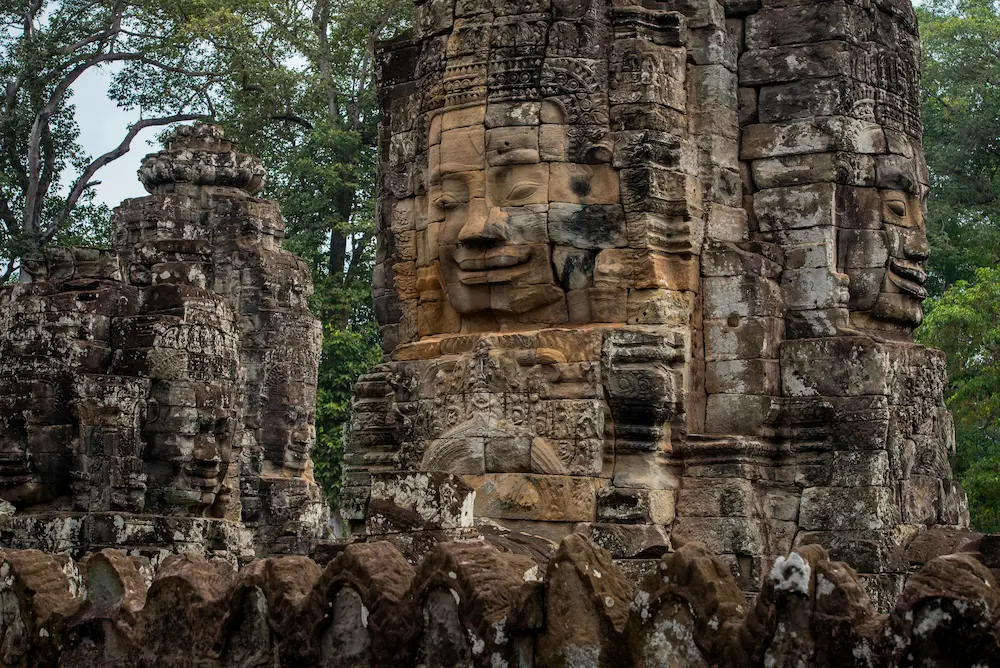
Table of Contents
Table of Contents
Why Visit Cambodia?
Ancient Temples Beyond Imagination
Angkor Archaeological Park: The crown jewel of Cambodia features 100+ temples spanning 400+ square kilometers:
- Angkor Wat: largest religious monument on Earth
- Bayon: iconic faces carved in stone
- Ta Prohm: jungle-engulfed “Tomb Raider” temple
- Banteay Srei: intricate pink sandstone carvings
- Preah Khan, Neak Pean, and dozens more
Beyond Angkor, discover lesser-known temple complexes like Preah Vihear (mountaintop temple) and Koh Ker (remote pyramid temple).
Incredible Value for Money
Cambodia offers Southeast Asian value with modern conveniences:
- Budget travelers: $25-40 daily
- Mid-range comfort: $50-80 daily
- Luxury experiences: $100-180 daily
- Cheaper than Thailand, comparable to Vietnam
Diverse Experiences in Compact Geography
Despite its small size, Cambodia packs remarkable diversity:
Cultural & Historical:
- Phnom Penh’s Royal Palace and museums
- Tuol Sleng and Killing Fields (sobering Khmer Rouge history)
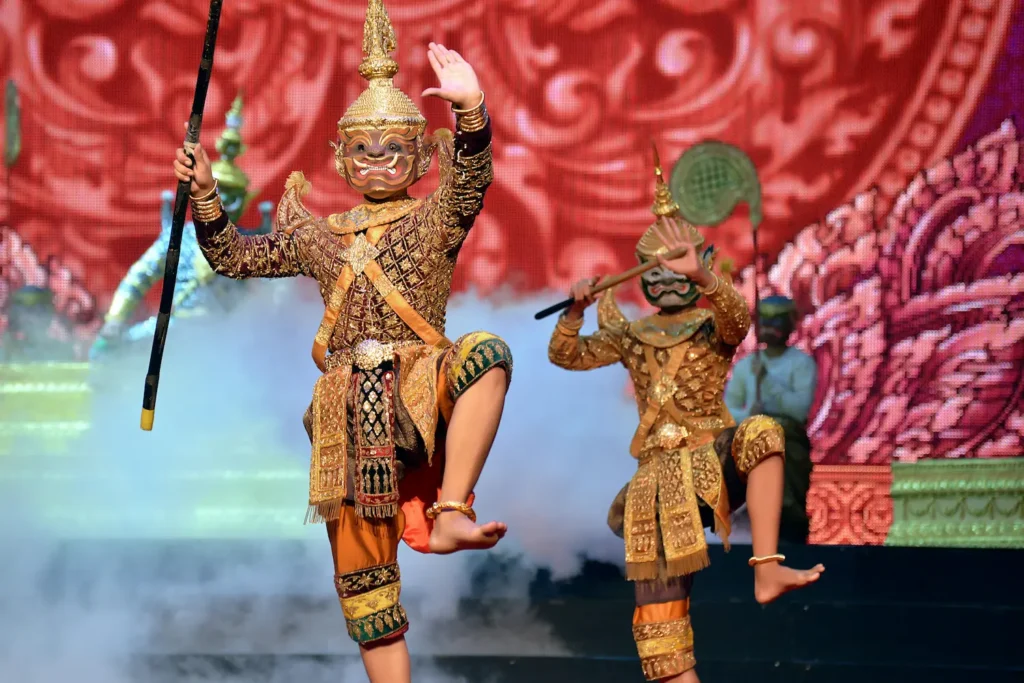
- Traditional Apsara dance performances
- Silk weaving and handicraft villages
Natural Beauty:
- Tonle Sap Lake (largest freshwater lake in Southeast Asia)
- Cardamom Mountains jungle trekking
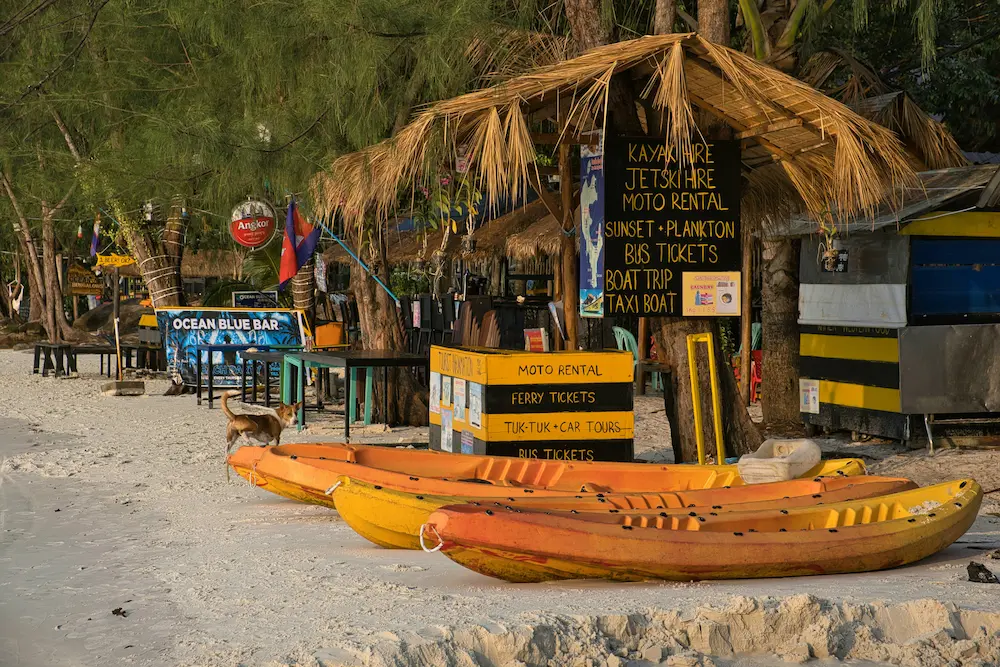
- Pristine beaches and islands (Koh Rong, Koh Rong Samloem)
- Waterfalls and national parks
Adventure Activities:
- Temple exploration by bicycle or tuk-tuk
- Kayaking through mangroves
- Jungle trekking and wildlife spotting
- Diving and snorkeling
- Zip-lining and ATV tours
Warm Khmer Hospitality
Despite enduring tragic history, Cambodians welcome visitors with genuine warmth and resilience. Their smiles and friendliness create memorable connections throughout your journey.
This Cambodia travel guide helps you experience all these elements while respecting local culture and supporting sustainable tourism.
👉 Read More: Cambodia Itinerary: 7, 10 & 14 Days
Essential Cambodia Travel Guides
Planning Your Trip
Optimized routes covering:
- 7-day highlights tour (Angkor, Phnom Penh, coastal escape)
- 10-day adventure route (adding temples and islands)
- 14-day comprehensive journey (complete Cambodia experience)
- Day-by-day breakdown with transport logistics
- Flexible options for all travel styles
Perfect for first-time visitors structuring their Cambodia adventure.
👉 Read More: Cambodia Travel Costs: Complete Budget Breakdown
Detailed expense analysis:
- Daily budget ranges (backpacker to luxury)
- Angkor pass pricing and temple tour costs
- Accommodation costs by destination
- Food expenses (street food to fine dining)
- Transportation between cities
- Activity and tour pricing
- Money-saving strategies
- Real traveler budget examples
Essential reading for accurate budget planning—this Cambodia travel guide section shows exactly what things cost.
👉 Read More: Best Time to Visit Cambodia: Weather & Festivals Guide
Month-by-month weather breakdown:
- Cool dry season advantages (November-February)
- Hot season considerations (March-May)
- Wet season realities (June-October)
- Angkor Wat visiting strategies by season
- Festival timing (Water Festival, Khmer New Year)
- Budget vs weather trade-offs
- Regional climate variations
Timing your visit correctly maximizes your Cambodia experience—this guide ensures optimal conditions.
👉 Read More: Cambodia Visa Guide: Requirements & Application Process (Coming Soon)
Complete visa information:
- E-visa application steps ($36 + $7 processing)
- Visa on arrival process ($30 + $5 processing)
- Tourist visa extension procedures
- Border crossing information
- Document requirements
- Common issues and solutions
Navigate Cambodia entry requirements smoothly with this straightforward guide.
Cambodia Destinations & Regions
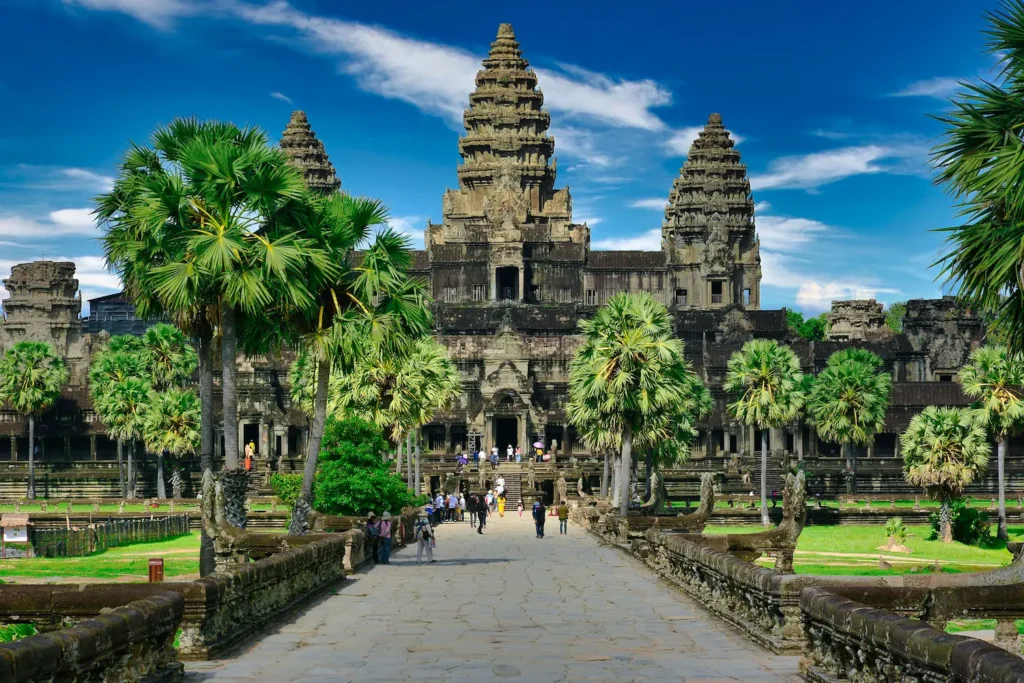
Siem Reap & Angkor Temples
Siem Reap: Gateway to Angkor
Vibrant town serving as base for temple exploration:
- Pub Street (nightlife and dining hub)
- Night markets (handicrafts and souvenirs)
- Apsara dance performances
- Tonle Sap floating villages
- Landmine Museum and Angkor National Museum
- Cooking classes and traditional massage
- Excellent accommodation range
Angkor Archaeological Park:
Essential Temples:
- Angkor Wat: sunrise icon, incredible bas-reliefs, massive scale
- Bayon: mysterious smiling faces, atmospheric
- Ta Prohm: trees consuming ruins, jungle atmosphere
- Banteay Srei: “Citadel of Women,” intricate carvings
- Preah Khan: sprawling complex, peaceful exploration
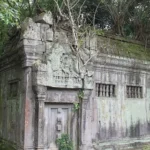
- Beng Mealea: overgrown ruins, adventure vibe
Pass Options:
- 1-day pass: $37
- 3-day pass: $62 (valid 10 days)
- 7-day pass: $72 (valid 30 days)
Visiting Tips:
- Start with sunrise at Angkor Wat
- Explore Ta Prohm mid-morning
- Visit Bayon in afternoon light
- Rent bicycle ($2-3), e-bike ($10-15), or tuk-tuk ($20-25/day)
- Bring sunscreen, water, and modest clothing
- Download maps offline
Recommended Stay: 3-4 days
This Cambodia travel guide emphasizes that Angkor temples deserve ample time—rushing through in one day doesn’t do justice to these magnificent structures.
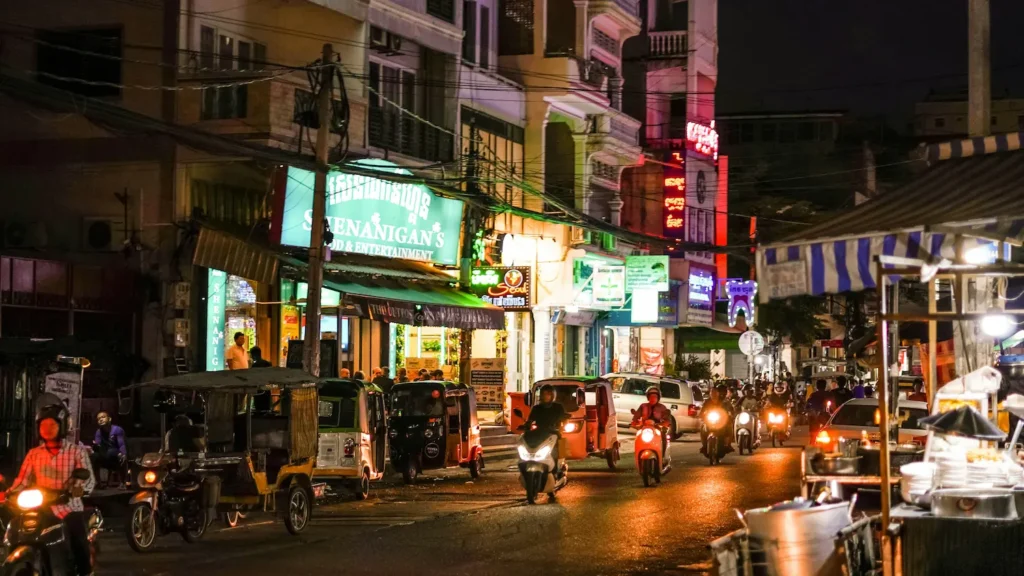
Phnom Penh: Capital City
What to Experience:
Cultural Highlights:
- Royal Palace and Silver Pagoda (stunning architecture)
- National Museum (Khmer art and artifacts)
- Central Market and Russian Market (shopping)
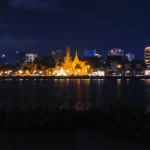
- Riverside promenade (sunset walks)
- Street food scene (local specialties)
Historical Sites:
- Tuol Sleng Genocide Museum (former S-21 prison)
- Choeung Ek Killing Fields (sobering memorial)
- COPE Centre (landmine awareness)
Why Visit: Phnom Penh offers essential historical context for understanding modern Cambodia while providing urban energy, excellent food scene, and cultural experiences.
Emotional Preparation: Khmer Rouge sites are emotionally challenging but important for understanding Cambodia’s recent history. Audio guides provide survivor testimonies.
Recommended Stay: 2-3 days
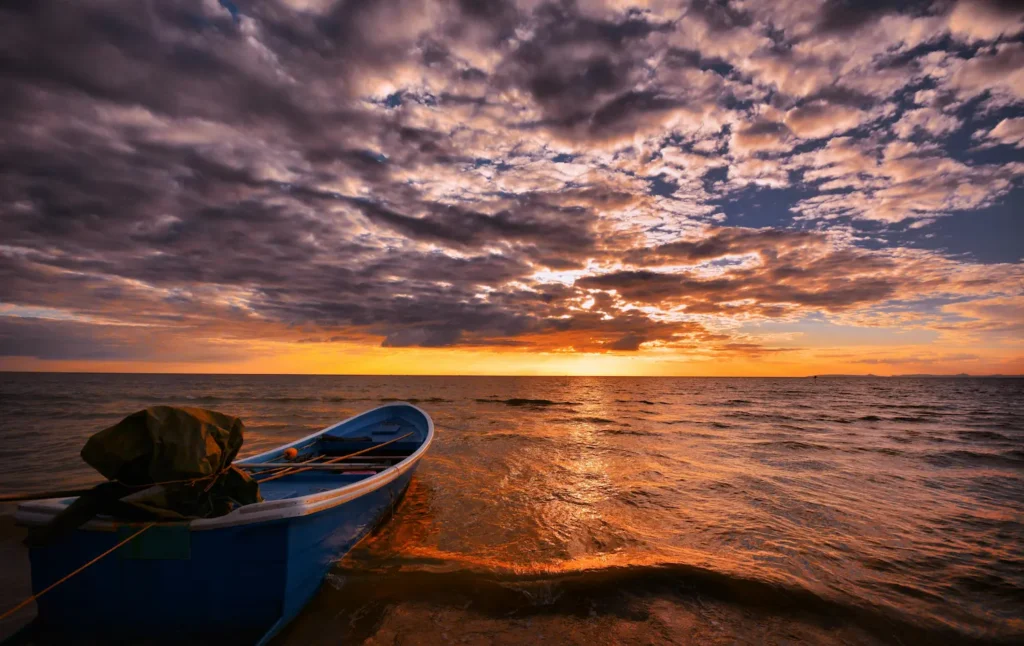
Coastal Cambodia
Sihanoukville & Islands:
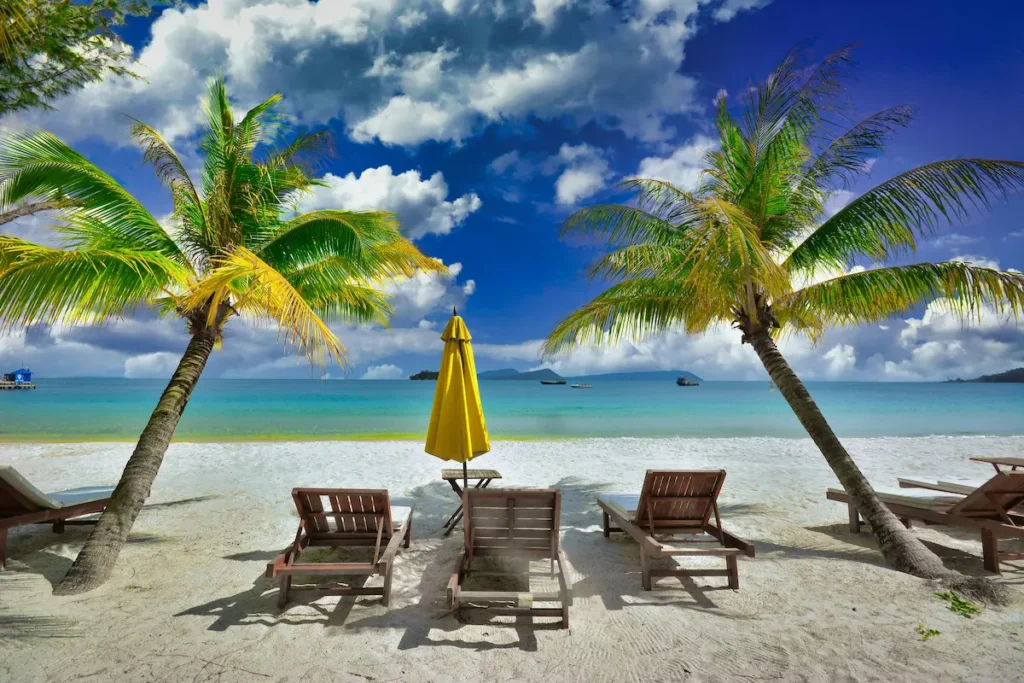
Sihanoukville Town: Once-charming beach town now dominated by Chinese development. Most travelers skip to offshore islands.
Koh Rong:
- Largest island with developed infrastructure
- Beautiful beaches (Long Beach, Sok San Beach)
- Bioluminescent plankton
- Snorkeling and diving
- Party atmosphere in main village
- Budget to mid-range accommodations
Koh Rong Samloem:
- Quieter alternative to Koh Rong
- Pristine beaches (Saracen Bay, Sunset Beach)
- Excellent snorkeling
- Peaceful atmosphere
- More upscale resorts
- Perfect for relaxation
Activities:
- Island hopping tours
- Snorkeling and diving
- Kayaking
- Beach relaxation
- Jungle trekking
- Sunset cruises
Recommended Stay: 4-6 days total for beach time
Kampot & Kep:
Kampot: Riverside Charm
- Colonial architecture
- Pepper plantations (world-famous Kampot pepper)
- Bokor National Park (abandoned French hill station)
- River cruises at sunset
- Rock climbing
- Relaxed backpacker vibe
Kep: Seafood Paradise
- Fresh crab market (famous Kep crab)
- Quiet beaches
- Kep National Park hiking
- Rabbit Island day trips
- Upscale boutique resorts
Recommended Stay: 2-3 days each
Battambang: Rural Charm
What Makes It Special:
Cultural Experiences:
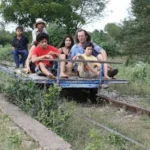
- Bamboo train (unique local transport)
- Phare Ponleu Selpak circus (Cambodian Cirque du Soleil)
- Colonial French architecture
- Buddhist temples
- Traditional villages
- Countryside bicycle tours
Activities:
- Bat caves (millions of bats emerge at sunset)
- Cooking classes
- Pottery and rice wine making
- Homestays in countryside
- River cruises
Why Visit: Battambang offers authentic Cambodia away from tourist crowds—perfect for experiencing traditional rural life and supporting community tourism.
Recommended Stay: 2-3 days
Off-the-Beaten-Path
Kratie:
- Irrawaddy dolphin watching
- Mekong River island villages
- Colonial-era buildings
- Peaceful riverside atmosphere
- Gateway to northeastern Cambodia
Mondulkiri Province:
- Elephant sanctuaries (ethical interactions)
- Waterfalls (Bou Sra, Dak Dam)
- Indigenous minority cultures
- Coffee plantations
- Jungle trekking
- Cool climate
Ratanakiri Province:
- Volcanic crater lakes
- Dense jungle
- Ethnic minority villages
- Gemstone mining tours
- True wilderness experience
Preah Vihear:
- Mountaintop temple complex
- Stunning views over plains
- UNESCO World Heritage Site
- Remote location (less touristy)
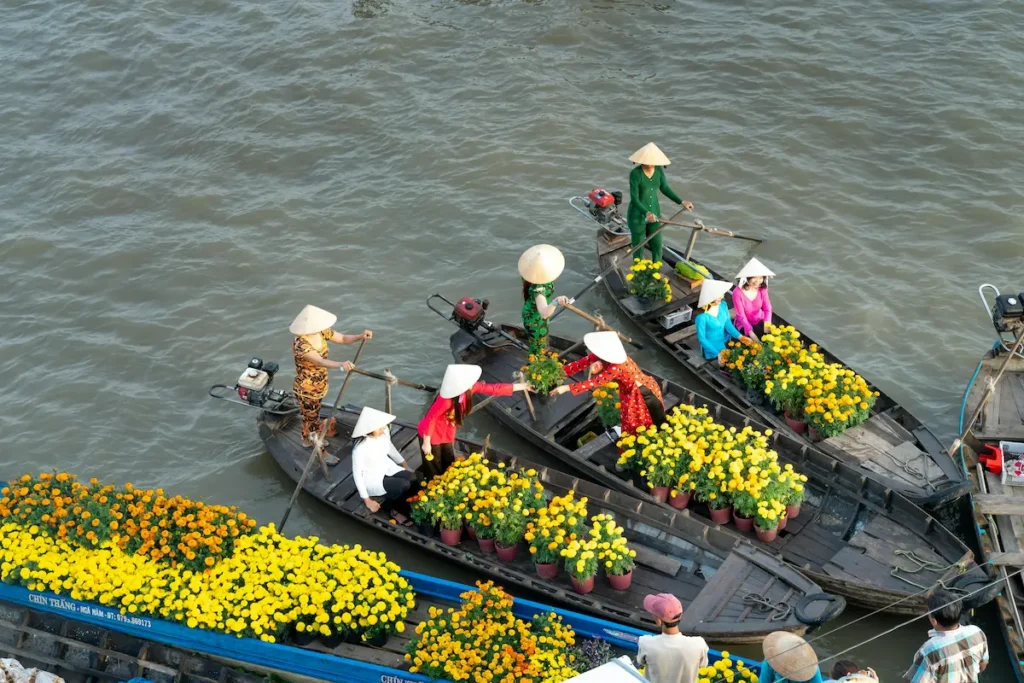
Practical Cambodia Travel Information
Getting Around Cambodia
Between Cities:
Buses:
- Most common inter-city transport
- Giant Ibis, Mekong Express, Virak Buntham (reliable companies)
- Routes: Phnom Penh-Siem Reap (6 hours, $10-15)
- Air-conditioned, reasonable comfort
- Book through hotels or online
Minivans:
- Faster than buses but cramped
- Good for shorter routes (Phnom Penh-Kampot)
- Cost: $8-12
Shared Taxis:
- Common for certain routes
- Leave when full (4 passengers)
- Faster than buses
- Cost: slightly more than buses
Private Taxis:
- Comfortable for groups
- Can stop for photos
- Negotiate price ahead
- Cost: $40-80 depending on route
Domestic Flights:
- Cambodia Angkor Air, Lanmei Airlines
- Limited routes (mainly Phnom Penh-Siem Reap)
- Time-saving but expensive
- Cost: $80-150
Boats:
- Phnom Penh to Siem Reap via Tonle Sap Lake
- Scenic but uncomfortable (4-6 hours)
- Cost: $30-40
Within Cities:
Tuk-tuks:
- Most common city transport
- Negotiate price before departure
- Cost: $1-3 for short trips, $15-25 for full day
Motorbike Taxis (Moto):
- Quickest for solo travelers
- Negotiate price first
- Cost: $0.50-2
Bicycle Rentals:
- Perfect for Siem Reap and smaller towns
- Cost: $2-5 daily
Motorbike Rentals:
- Common for experienced riders
- International license required (often not checked)
- Cost: $5-10 daily
- Roads can be dangerous
PassApp/Grab:
- Ride-hailing apps (limited to Phnom Penh)
- Transparent pricing
- Convenient and safe
Accommodation Options
Budget ($8-25/night):
- Dorm beds: $4-8
- Basic guesthouses: $10-20
- Fan rooms, shared bathrooms
- Clean and functional
- Social hostels in Siem Reap and islands
Mid-Range ($25-60/night):
- Private rooms with AC
- Hot showers, Wi-Fi, breakfast
- Swimming pools at higher end
- Boutique guesthouses and small hotels
- Good value in this range
Luxury ($70-200+/night):
- International hotel chains
- Colonial-era boutique hotels
- Resorts on islands
- Swimming pools and spa facilities
- Full-service restaurants
- Excellent value compared to Western countries
Booking Tips:
- Book 3-5 days ahead during peak season (November-February)
- Last-minute booking works during low season
- Agoda and Booking.com offer best rates
- Direct booking sometimes cheaper (ask)
Food & Dining
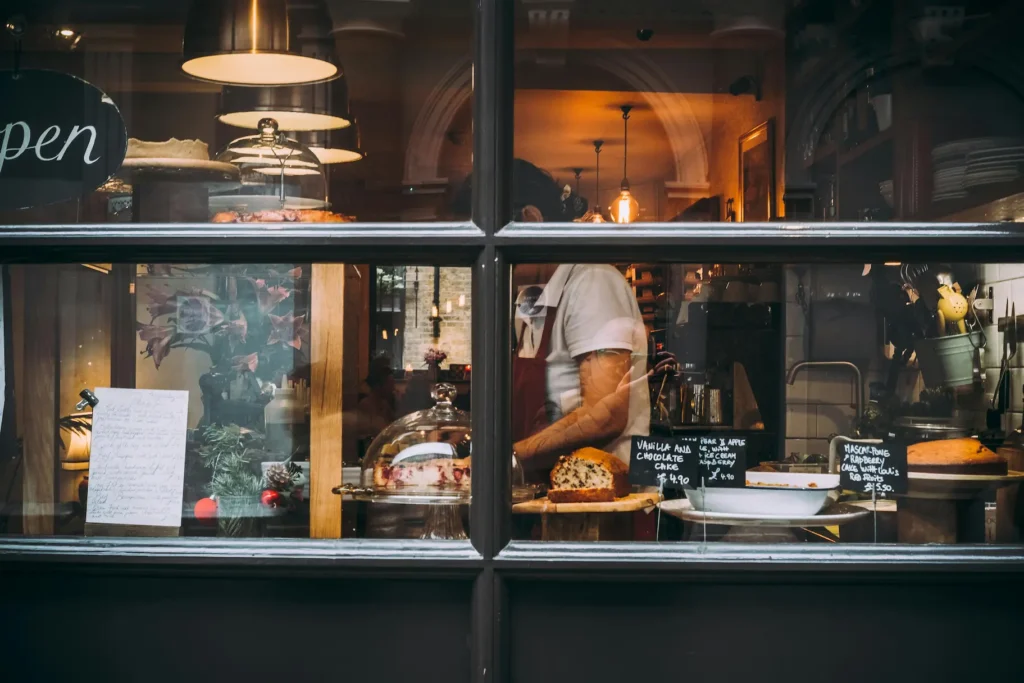
Cambodian Cuisine Highlights:
Must-Try Dishes:
- Amok: coconut curry steamed in banana leaf (national dish)
- Lok lak: stir-fried beef with black pepper sauce
- Nom banh chok: Khmer noodles with fish curry
- Bai sach chrouk: grilled pork with rice (breakfast staple)
- Kuy teav: noodle soup (breakfast favorite)
- Prahok: fermented fish paste (acquired taste)
Street Food:
- Grilled meats and seafood
- Fresh fruit shakes: $1-1.50
- BBQ skewers: $0.50-1
- Fried rice/noodles: $1.50-3
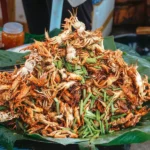
- Deep-fried insects (adventurous eaters)
Costs:
- Street food: $1.50-3 per meal
- Local restaurants: $3-6 per meal
- Tourist restaurants: $6-12 per meal
- Upscale dining: $15-30 per meal
- Angkor Beer/Cambodia Beer: $0.50-1 (local), $2-4 (tourist areas)
Vegetarian Options: Buddhist restaurants offer excellent vegetarian food. Many Cambodian dishes easily made vegetarian upon request.
Food Safety:
- Stick to busy stalls with high turnover
- Avoid ice in drinks outside tourist areas
- Wash hands frequently
- Bottled water essential
Money & Costs
Currency:
- Cambodian Riel (KHR)
- US dollars widely accepted (most common currency)
- Change under $1 given in riel
- ATMs dispense US dollars
- Riel used for small purchases
Exchange Rate: Approximately 4,000 riel = $1 USD
ATMs:
- Available in cities and tourist areas
- Withdrawal fees: $4-6
- Daily limits: $500-1,000
- Accept international cards
- Rare in remote areas
Daily Budget Ranges:
- Budget: $25-40
- Mid-range: $50-80
- Luxury: $100-180+
Tipping:
- Not required but appreciated
- Restaurants: $1-2 or round up bill
- Tour guides: $3-5 per day
- Drivers: $2-3 per day
- Massage: $1-2
👉 Read More: Cambodia Travel Package.
Health & Safety
Vaccinations: Consult travel doctor, commonly recommended:
- Routine vaccines (MMR, tetanus, etc.)
- Hepatitis A and B
- Typhoid
- Japanese Encephalitis (rural areas, wet season)
- Rabies (extended stays, remote areas)
Malaria: Low risk in Siem Reap, Phnom Penh, and tourist areas. Higher risk in remote provinces (Mondulkiri, Ratanakiri, Preah Vihear). Consult doctor about prophylaxis for jungle trekking.
Dengue Fever: Risk throughout Cambodia, especially wet season. Prevent mosquito bites:
- Use DEET repellent (30%+ concentration)
- Wear long sleeves/pants at dawn/dusk
- Sleep under mosquito nets in budget accommodations
Water Safety:
- Never drink tap water
- Bottled water widely available ($0.50)
- Brush teeth with bottled water
- Avoid ice in rural areas
Food Safety: Cambodia is generally safe, but exercise caution:
- Eat at busy establishments
- Ensure food thoroughly cooked
- Peel fruits yourself
- Carry hand sanitizer
General Safety: Cambodia is relatively safe with improving security:
- Petty theft exists in tourist areas (watch bags)
- Avoid walking alone late at night
- Use reputable tour operators
- Keep valuables in hotel safes
- Be cautious on motorbikes (traffic dangerous)
- Avoid discussing politics or criticizing government/monarchy
Scams to Avoid:
- Fake monks asking for donations
- Tuk-tuk drivers insisting you need visa photos (you don’t)
- “Closed today” scams redirecting to shops
- Inflated prices for tourists (always agree on price first)
Internet & Connectivity
SIM Cards: Purchase at airport or mobile shops:
- Smart ($5-8 for tourist package, 3-7GB)
- Cellcard ($5-10 for similar data)
- Metfone ($4-8)
- Coverage good in cities, spotty in remote areas
- Bring passport for registration
Wi-Fi:
- Available in virtually all accommodations
- Cafes and restaurants in tourist areas
- Speed generally adequate (3G/4G)
- Less reliable in remote areas
Language
Official Language: Khmer
English Proficiency:
- Tourist areas: basic English common
- Younger generation more English proficient
- Remote areas: very limited English
- Major hotels/restaurants: good English
Useful Khmer Phrases:
- Hello: Sua s’dei
- Thank you: Aw kohn
- How much?: T’lai ponmaan?
- Delicious: Ch’ngaign
- Yes: Baat (men) / Jaa (women)
- No: Tay
- Sorry: Som toh
Learning basic phrases shows respect and earns better treatment.
Cultural Etiquette & Tips
Temple Behavior
Dress Code:
- Cover shoulders and knees (required for Angkor)
- Remove shoes before entering temple buildings
- No revealing clothing
- Scarves available for purchase if needed
Behavior:
- Speak quietly
- Don’t touch Buddha images
- Don’t point feet at Buddha statues
- Don’t climb on fragile structures
- Follow marked paths
- Don’t touch monks (especially women)
- Ask before photographing monks or locals
Social Customs
Respectful Behavior:
- Avoid public displays of affection
- Don’t touch people’s heads (considered sacred)
- Remove shoes when entering homes
- Use right hand for giving/receiving (left considered unclean)
- Dress modestly outside beach areas
- Don’t point with fingers (use whole hand)
Monarchy & Politics:
- Never criticize the king or royal family (illegal)
- Avoid political discussions
- Don’t touch or deface money (shows king’s image)
- Stand respectfully during national anthem
Photography:
- Always ask permission before photographing people
- Especially important at memorial sites and with monks
- Some locals may ask for money for photos
- Don’t photograph military or government buildings
Bargaining
Where to Bargain:
- Markets and street vendors
- Tuk-tuk rides (agree on price first)
- Souvenir shops
- Tour bookings (slightly)
Where Not to Bargain:
- Restaurants with posted prices
- Convenience stores
- Established tour companies
- Hotels (except off-season walk-ins)
Bargaining Tips:
- Start at 40-50% of asking price
- Stay friendly and smile
- Walk away if price doesn’t work (often brings counter-offer)
- Don’t bargain aggressively
- Know rough prices from research
Best Times to Visit Cambodia
By Season
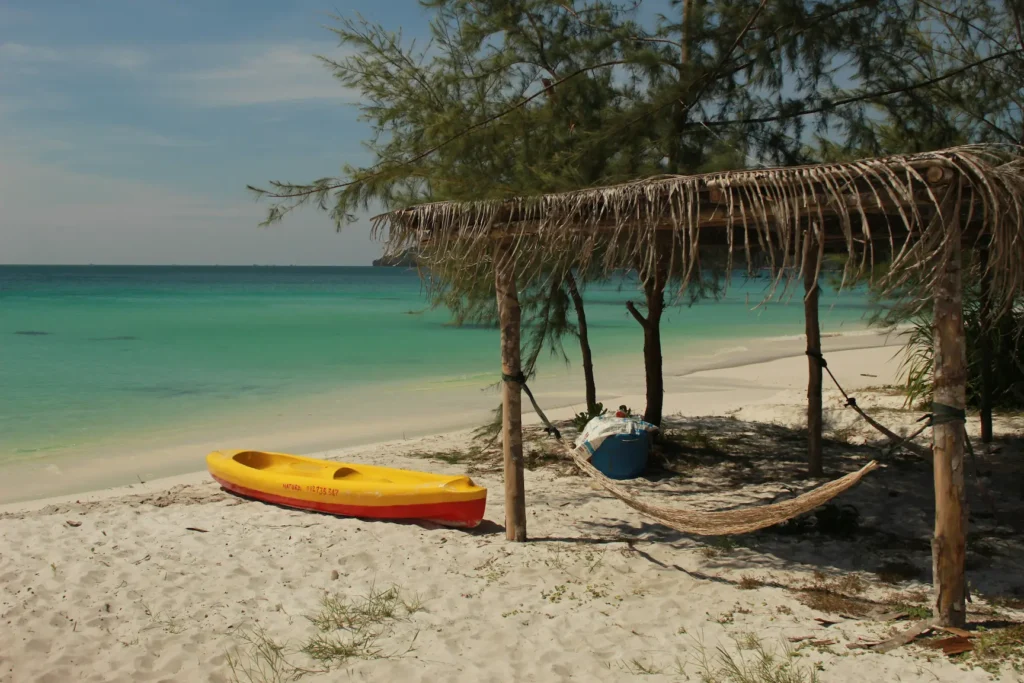
Cool & Dry (November-February): Peak Season
- Best weather: 68-85°F, minimal rain
- Perfect for Angkor temple exploring
- Clear skies for photography
- Busiest tourist period
- Higher accommodation prices (30-50% premium)
- Book ahead for better selection
Hot & Dry (March-May): Hot Season
- Very hot: 85-100°F (can reach 105°F)
- Low humidity until April
- Angkor exploration exhausting midday
- Fewer tourists, better prices
- Khmer New Year (mid-April) adds crowds and premium pricing
- Visit temples early morning and late afternoon
Wet Season (June-October): Low Season
- Daily afternoon rain (1-3 hours typically)
- Temperatures moderate: 80-90°F
- Lowest prices (40-60% discounts)
- Lush green landscapes
- Tonle Sap Lake at highest levels (best for floating villages)
- Angkor surrounded by moats filled with water
- Some remote areas difficult to access
By Activity
Temple Exploration: November-February (comfortable temps) Photography: November-February (best light, clear skies) Budget Travel: June-September (cheapest rates) Beach Season: November-May (dry, sunny) Festivals: November (Water Festival), April (Khmer New Year)
Monthly Highlights
November: Water Festival, perfect weather begins December-January: Peak season, ideal conditions February: Excellent weather continues, Chinese New Year March: Still good but heating up April: Khmer New Year, very hot May: Pre-monsoon, very hot June-August: Wet season begins, fewer tourists September-October: Heavy rains, greenest landscapes
Cambodia Travel Costs Overview
Understanding Cambodia travel costs helps you plan your budget accurately.
Daily Budget Breakdown
Budget Backpacker ($25-40/day):
- Accommodation: $8-15 (dorms/basic rooms)
- Food: $8-15 (street food, local restaurants)
- Transport: $3-5 (local buses, occasional tuk-tuk)
- Activities: $5-10 (temples, free attractions)
Mid-Range Traveler ($50-80/day):
- Accommodation: $25-45 (private rooms, AC, pool)
- Food: $15-30 (mix of local and tourist restaurants)
- Transport: $10-20 (tuk-tuks, minivans between cities)
- Activities: $15-25 (tours, organized activities)
Luxury Traveler ($100-180+/day):
- Accommodation: $70-150 (boutique hotels, resorts)
- Food: $30-60 (upscale restaurants, hotel dining)
- Transport: $25-50 (private cars, domestic flights)
- Activities: $30-70 (private guides, premium tours)
Major Expenses
Angkor Pass:
- 1-day: $37
- 3-day: $62
- 7-day: $72
Tours & Activities:
- Tonle Sap floating village: $20-30
- Cooking class: $25-35
- Apsara dance show with dinner: $25-40
- Phnom Penh killing fields + S-21: $15-25
- Island boat tours: $15-30
- Kampot pepper farm tour: $10-20
Transport Between Cities:
- Phnom Penh to Siem Reap: $10-15 (bus)
- Siem Reap to Sihanoukville: $18-25 (bus)
- Phnom Penh to islands: $25-35 (bus + ferry combo)
- Internal flights: $80-150
👉 Read More: Travelling Through Cambodia
Sample Cambodia Itineraries
7-Day Highlights Tour
Perfect for first-time visitors:
Day 1-3: Siem Reap & Angkor
- Sunrise at Angkor Wat
- Bayon and Ta Prohm exploration
- Additional temple discoveries
- Tonle Sap floating village
Day 4-5: Phnom Penh
- Royal Palace and Silver Pagoda
- Tuol Sleng and Killing Fields
- Central Market
- Riverside dining
Day 6-7: Beach Escape
- Koh Rong or Koh Rong Samloem
- Beach relaxation and water activities
10-Day Adventure Route
Adds depth and variety:
Day 1-4: Siem Reap & Angkor (as above, extra temple time)
Day 5-6: Battambang
- Bamboo train
- Phare circus
- Countryside cycling
Day 7-8: Phnom Penh (as above)
Day 9-10: Coastal Relaxation
- Islands or Kampot/Kep
14-Day Comprehensive Journey
Complete Cambodia experience:
Add to 10-day route:
- Kampot (2 days): pepper plantations, Bokor National Park
- Kep (1 day): crab market, quiet beaches
- Extended Islands (extra days for diving or multi-island exploration)
Or alternative additions:
- Kratie (2 days): dolphin watching
- Mondulkiri (2-3 days): elephant sanctuary, waterfalls
Frequently Asked Questions
Is Cambodia safe for tourists?
Yes, Cambodia is generally safe for tourists with improving security. Violent crime against foreigners is rare. Main concerns include petty theft (especially bag snatching from motorbikes), traffic accidents, and occasional scams. Exercise normal precautions: watch belongings in crowded areas, use reputable transportation, avoid walking alone late at night, and don’t flash expensive items. Siem Reap and island areas are very safe.
How many days do I need in Cambodia?
Minimum 5-7 days for highlights (Angkor temples and Phnom Penh). 10 days ideal for comprehensive experience adding beaches or Battambang. 14+ days allows deeper exploration of remote areas or extended beach relaxation. Most travelers spend 7-10 days focusing on temples, capital, and coastal escape.
Do I need a visa for Cambodia?
Yes, most nationalities require visa. Two options: (1) E-visa online ($36 + $7 processing, apply 3+ days before arrival) or (2) Visa on arrival at airports and land borders ($30 + $5-7 processing). Tourist visas valid 30 days, extendable once for 30 more days in Phnom Penh. Check requirements for your nationality.
How long should I spend at Angkor temples?
Minimum 2 full days to see major highlights (Angkor Wat, Bayon, Ta Prohm, plus several others). 3 days ideal for thorough exploration including sunrise/sunset at different temples. 7-day pass worth it for photography enthusiasts or those wanting relaxed exploration. Don’t try seeing everything in one day—temples deserve time and heat makes rushing exhausting.
What’s the best way to see Angkor temples?
Tuk-tuk ($20-25/day) most popular—shade, storage for bags, driver knows routes and waits at each temple. E-bike ($10-15/day) offers flexibility and easier parking. Bicycle ($2-3/day) works for fit travelers visiting nearby temples. Car ($40-50/day) adds comfort for longer routes. Start early (sunrise at Angkor Wat around 5:30am), take midday break during heat, return for afternoon/sunset.
Is Cambodia expensive?
No, Cambodia offers excellent value. Budget travelers manage on $25-40 daily including accommodation, food, and local transport. Mid-range comfort costs $50-80 daily. The most expensive element is the Angkor pass ($37-72) but represents incredible value for what you see. Food and accommodation notably cheaper than Western countries, comparable to Vietnam and Laos.
Can I use US dollars in Cambodia?
Yes, US dollars are the primary currency used by tourists and locals for larger transactions. ATMs dispense US dollars. Bring clean, newer bills (torn or very worn bills often refused). Change under $1 given in Cambodian riel (approximately 4,000 riel = $1). Keep small US bills handy ($1, $5, $10) for convenience.
What should I wear to Angkor temples?
Cover shoulders and knees (strictly enforced). Light, breathable fabrics ideal (cotton, linen). Comfortable closed-toe shoes for uneven stones and climbing. Hat and sunscreen essential. Bring water bottle and sweat towel. Scarves available for purchase at temple entrance ($2-5) if you forget. Modest dress shows respect for sacred sites.
Start Planning Your Cambodia Adventure
This Cambodia travel guide provides the foundation for experiencing one of Southeast Asia’s most rewarding destinations. Cambodia combines magnificent ancient temples, poignant modern history, stunning natural beauty, and genuine warmth that creates lasting memories.
🗺️ Next Steps:
- Choose your dates: Review our Best Time to Visit Cambodia guide
- Plan your route: Check detailed Cambodia Itineraries
- Calculate costs: Read our Cambodia Travel Costs breakdown
- Arrange visa: Review Visa Requirements guide (Coming Soon)
- Book accommodations: Reserve Siem Reap hotels 4-6 weeks ahead (peak season)
- Research Angkor: Plan temple route based on your interests
📧 Need Personalized Advice?
Contact us for custom itinerary planning, specific destination questions, or personalized recommendations based on your travel style, budget, and interests.
🌏 Explore More Southeast Asia:
- Vietnam Travel Guide
- Laos Travel Guide (Coming Soon)
- Thailand Travel Guide (Coming Soon)
📚 Essential Reading Before You Go:
- “First They Killed My Father” by Loung Ung (Khmer Rouge survivor memoir)
- “The Gate” by François Bizot (Khmer Rouge captivity)
- Understanding Cambodia’s history enriches temple visits and cultural experiences
🎯 Pro Tips for First-Time Visitors:
- Purchase 3-day Angkor pass even if unsure (validity spread over 10 days)
- Arrive in Siem Reap afternoon before first temple day (avoid wasted pass day)
- Book accommodation near Old Market area (walking distance to everything)
- Download Maps.me offline maps before arrival
- Bring reusable water bottle (refill stations at major temples)
- Hire guide for first temple day (context makes subsequent self-exploration richer)
Ready to discover the Kingdom of Wonder? Start with our most popular Cambodia travel guide sections and build your perfect itinerary. Cambodia awaits with ancient temples, warm smiles, and experiences that will stay with you forever.
Last Updated: January 4, 2026
Have questions about traveling to Cambodia? Drop a comment below—we respond to every question and love helping travelers plan their Cambodia adventures!
Complete Cambodia Travel Guide
- Best Cambodia Temples Beyond Angkor: 8 Incredible Ruins You Must Visit in 2026
 Cambodia’s ancient Khmer heritage extends far beyond the iconic Angkor Wat complex. While millions flock to Siem Reap’s famous sites each year, the best Cambodia… Read more: Best Cambodia Temples Beyond Angkor: 8 Incredible Ruins You Must Visit in 2026
 - Battambang Travel Guide 2026: Bamboo Train, Temples & Hidden GemsTucked away in northwestern Cambodia, Battambang remains one of Southeast Asia’s best-kept secrets. While Siem Reap draws crowds to Angkor Wat and Phnom Penh buzzes… Read more: Battambang Travel Guide 2026: Bamboo Train, Temples & Hidden Gems
- Best Cambodia Street Food 2026: 20 Dishes You Must TryDiscovering the best Cambodia street food ranks among Southeast Asia’s most rewarding culinary adventures. While neighboring Thai and Vietnamese cuisines dominate international attention, Cambodian food… Read more: Best Cambodia Street Food 2026: 20 Dishes You Must Try
- Vietnam vs Cambodia 2026: Which Should You Visit First?Vietnam vs Cambodia — which country should you visit in 2026?The answer depends on what you value most: lower daily costs, food culture, landscapes, temples,… Read more: Vietnam vs Cambodia 2026: Which Should You Visit First?
- Best Time to Visit Cambodia 2026: Month-by-Month Weather & CrowdsPlanning a trip to Cambodia in 2026 isn’t just about picking a month — it’s about understanding heat, rain, festivals, crowd levels, and how travel… Read more: Best Time to Visit Cambodia 2026: Month-by-Month Weather & Crowds