
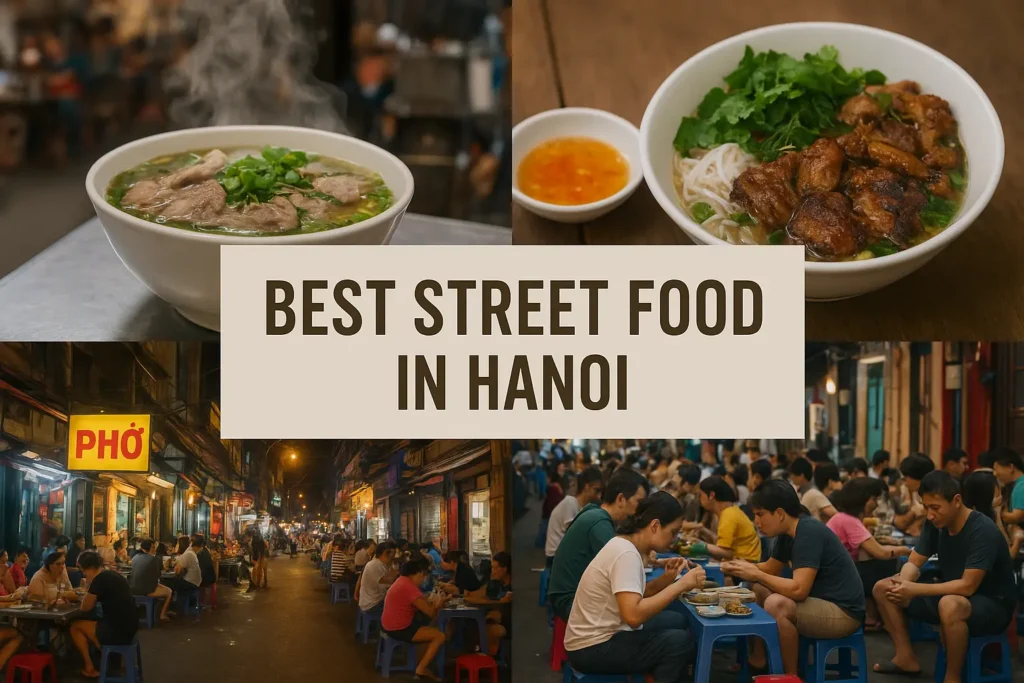
Discovering the best street food in Hanoi ranks among the world’s greatest culinary adventures. Vietnam’s capital offers an unparalleled food scene where generations-old family recipes are served from tiny plastic stools on bustling sidewalks, creating authentic flavors that five-star restaurants struggle to replicate. This comprehensive guide reveals everything you need to know about experiencing Hanoi’s legendary street food—from iconic dishes you can’t miss to practical tips for eating safely and finding the best vendors.
👉 Also Read for Vietnam budget per day
Why Hanoi Has the Best Street Food in Vietnam
Before diving into specific dishes, understanding why the best street food in Hanoi is so exceptional helps you appreciate what you’re about to experience.
Centuries of Culinary Tradition
Hanoi’s street food culture dates back over a thousand years, with many dishes evolving from royal court cuisine that eventually reached common people. The city served as Vietnam’s imperial capital for extended periods, concentrating culinary expertise and creating sophisticated flavor profiles that define northern Vietnamese cooking. Street vendors often represent third, fourth, or fifth generations perfecting single dishes, creating unmatched depth of expertise.
The Old Quarter’s Food Heritage
The Old Quarter’s 36 streets were historically organized by trade guilds, many named after the foods sold there—Hang Ga (Chicken Street), Hang Dau (Oil Street), Hang Buom (Sail Street, now known for street food). This specialization created neighborhood expertise, with families on specific streets perfecting particular dishes over centuries. While modernization has blurred these distinctions, the legacy of concentrated culinary knowledge remains.

Fresh, Local Ingredients
Hanoi’s street food vendors source ingredients from markets daily, often multiple times per day for maximum freshness. The surrounding countryside supplies fresh herbs, vegetables, and proteins. Vendors maintain relationships with specific suppliers, ensuring consistent quality. This commitment to freshness, combined with minimal time between preparation and consumption, creates flavors impossible to achieve in restaurants storing ingredients longer.
The Social Dining Experience
Eating the best street food in Hanoi transcends mere sustenance—it’s profoundly social. Families gather on plastic stools for dinner, colleagues meet for breakfast noodles, friends share evening snacks. The intimacy of street-side dining creates connections between vendors and customers impossible in formal restaurants. You’re not just eating food; you’re participating in daily Vietnamese life.
The 20 Best Street Food Dishes in Hanoi
Let’s explore the essential dishes that define the best street food in Hanoi, with details on what makes each special and where to find outstanding versions.
1. Pho (Rice Noodle Soup)
What It Is: Vietnam’s most famous dish originated in Hanoi. Pho features rice noodles in clear, aromatic broth made from beef bones simmered 12-24 hours with charred onions, ginger, star anise, cinnamon, and cardamom. Topped with thinly sliced beef (pho bo) or chicken (pho ga), fresh herbs, lime, chili, and sprouts.

Why Hanoi’s Is Best: Northern pho emphasizes broth purity and balance rather than the sweeter, more complex southern versions. Hanoi vendors obsess over broth clarity and depth, creating subtle sophistication that reveals new flavors with each spoonful.
Where to Find It:
- Pho Gia Truyen (49 Bat Dan): Perhaps Hanoi’s most famous pho shop, always crowded
- Pho Thin (13 Lo Duc): Stir-fried beef version unique to this vendor
- Pho 10 Ly Quoc Su (10 Ly Quoc Su): Convenient Old Quarter location
- Pho Bat Dan (Multiple locations): Reliable quality chain maintaining traditional methods
Eating Tips:
- Order “pho tai” for rare beef, “pho chin” for well-done
- Add herbs, lime, and chili to taste—start conservatively
- Slurp loudly—it’s culturally appropriate and cools noodles
- Eat for breakfast (6:00-9:00 AM) when broth is freshest
Price: $1.50-$3 per bowl
2. Bun Cha (Grilled Pork with Noodles)

What It Is: Hanoi’s signature lunch dish featuring grilled fatty pork belly and pork patties served with rice vermicelli, fresh herbs, pickled vegetables, and sweet-sour dipping sauce. Diners combine elements in their bowl, creating customized flavor combinations.
Why It’s Special: This dish exists almost exclusively in Hanoi and northern Vietnam. The smoky char on pork, balanced by sweet-tangy sauce and fresh herbs, creates perfect harmony. President Obama and Anthony Bourdain famously ate bun cha together in Hanoi, cementing its international reputation.
Where to Find It:
- Bun Cha Dac Kim (1 Hang Manh): Local favorite since 1960s
- Bun Cha Huong Lien (24 Le Van Huu): Where Obama ate (now called “Obama Bun Cha”)
- Bun Cha Ta (21 Nguyen Huu Huan): Excellent quality, less touristy
- Bun Cha Nem Cua Be Dac Kim (67 Duong Thanh): Includes crab spring rolls
Eating Tips:
- Traditionally eaten for lunch (11:00 AM-2:00 PM)
- Add noodles, herbs, and vegetables to the dipping sauce
- Don’t drink the sauce—it’s meant for dipping
- Order nem cua be (crab spring rolls) as accompaniment
Price: $2-$4 per serving
3. Banh Mi (Vietnamese Baguette Sandwich)

What It Is: French-Vietnamese fusion perfection: crispy baguette filled with pate, various meats (grilled pork, Vietnamese ham, sardines), pickled carrots and daikon, cucumber, cilantro, chili, and optional mayo or butter.
Why Hanoi’s Is Unique: Northern banh mi is less sweet than southern versions, with emphasis on the bread’s texture and balanced flavors rather than overwhelming sweetness or heat.
Where to Find It:
- Banh Mi 25 (25 Hang Ca): Tiny alley shop with legendary sandwiches
- Banh Mi P (Corner of Nguyen Sieu and Hang Trong): Afternoon favorite
- Banh Mi Lan Ong (34 Lan Ong): Local spot avoiding tourist markup
- Banh My Lady (Around Hoan Kiem Lake, mobile vendor): Famous roaming seller
Eating Tips:
- Eat immediately—baguettes soften quickly
- Point to fillings you want if language is a barrier
- “Khong ot” means no chili if you want mild
- Peak times: breakfast (6:30-9:00 AM) and afternoon (3:00-5:00 PM)
Price: $0.75-$1.50 per sandwich
4. Bun Bo Nam Bo (Beef Noodle Salad)
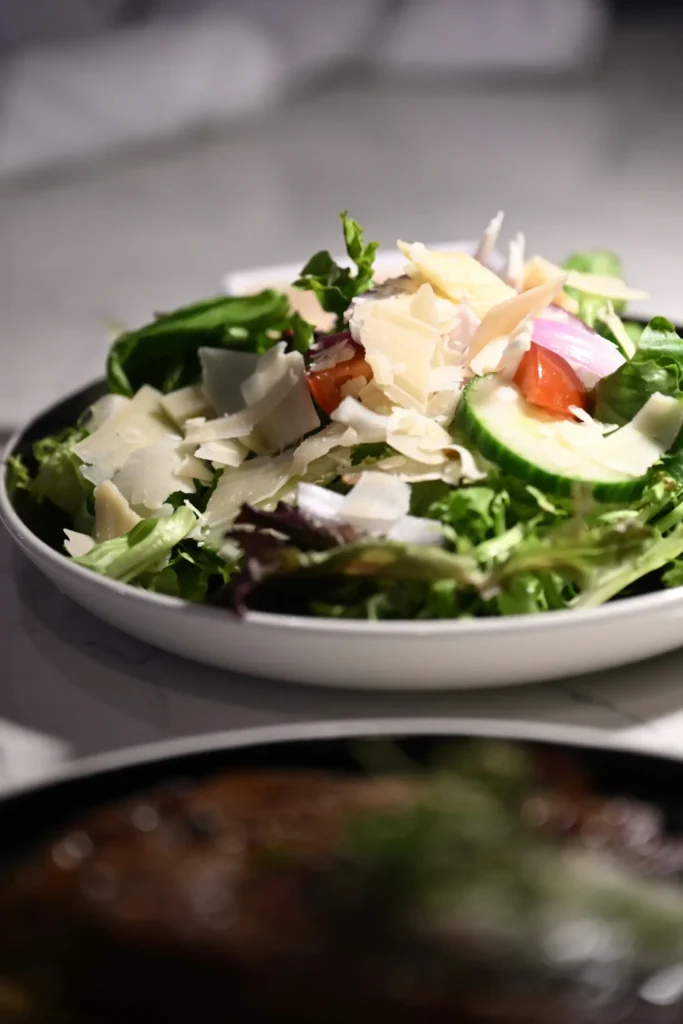
What It Is: Room-temperature rice vermicelli topped with grilled marinated beef, peanuts, pickled vegetables, fried shallots, fresh herbs, and fish sauce-based dressing. Diners mix thoroughly before eating.
Why It’s Special: This refreshing dish works perfectly in Hanoi’s heat, combining textures and temperatures for complex satisfaction. The interplay of crunchy, soft, hot, and cool creates addictive contrasts.
Where to Find It:
- Bun Bo Nam Bo (67 Hang Dieu): The original, though now quite touristy
- Bun Bo Hue O Tuyen (24C Dinh Liet): Spicier Hue-style version
- Local vendors near Dong Xuan Market: More authentic, less English
Eating Tips:
- Mix thoroughly before eating
- Adjust fish sauce to taste
- Add chili oil if you want heat
- Eat with provided side broth for lighter flavor
Price: $2-$3.50 per bowl
5. Bun Rieu Cua (Crab and Tomato Noodle Soup)

What It Is: Rice vermicelli in tomato-based broth enriched with freshwater crab paste, topped with fried tofu, fresh tomatoes, herbs, and sometimes snails or blood curd. The broth’s orange-red color and tangy flavor profile distinguish it from other noodle soups.
Why It’s Beloved: This comfort food showcases Hanoi’s ability to create complex flavors from humble ingredients. The umami-rich crab paste combined with tomato acidity creates addictive broth unlike any other Vietnamese soup.
Where to Find It:
- Bun Rieu Cua Co (18 Hang Chieu): Old Quarter favorite
- Bun Rieu Ba Thai (Old Quarter, various vendors): Look for women carrying shoulder poles
- Local markets: Best versions often found in market food stalls
Eating Tips:
- Specify “khong oc” if you don’t want snails
- Add shrimp paste (mam tom) cautiously—it’s pungent and powerful
- Squeeze lime for extra tanginess
- Best eaten morning or lunch
Price: $1.50-$2.50 per bowl
6. Cha Ca La Vong (Turmeric Fish with Dill)
What It Is: Hanoi’s most famous regional specialty: turmeric-marinated fish (traditionally snakehead fish) grilled tableside and served with rice vermicelli, peanuts, dill, scallions, and shrimp paste. This dish is so iconic that an entire street (Cha Ca Street) is named after it.
Why It’s Legendary: Created by the Doan family over 130 years ago, this dish represents Hanoi culinary innovation. The unusual combination of fish and dill (rare in Vietnamese cuisine) creates unique aromatic complexity.
Where to Find It:
- Cha Ca Thang Long (21-31 Duong Thanh/Cha Ca Street): The original family restaurant
- Cha Ca La Vong (14 Cha Ca): Another branch of the original family
Eating Tips:
- This is a sit-down restaurant, not street food, but essential to Hanoi’s food culture
- Order one portion to share—it’s substantial
- Cook fish thoroughly before eating
- Mix with vermicelli, herbs, and dill
- The shrimp paste is extremely pungent—use sparingly
Price: $7-$10 per portion (more expensive than typical street food)
7. Banh Cuon (Steamed Rice Rolls)
What It Is: Delicate, paper-thin steamed rice sheets filled with minced pork and wood ear mushrooms, topped with fried shallots and served with fish sauce dipping sauce and fresh herbs. Side dish of Vietnamese sausage often accompanies.
Why It’s Special: Making banh cuon requires remarkable skill—the rice batter must be spread perfectly thin on steaming cloth, filled, and rolled in seconds. The result is silky, delicate, and subtly flavored, showcasing technique over bold flavors.
Where to Find It:
- Banh Cuon Gia Truyen (12 Hang Ga): Famous for perfect texture
- Banh Cuon Ba Hoanh (66 To Hien Thanh): Local favorite
- Banh Cuon Thanh Van (14 Hang Ga): Another excellent Old Quarter option
Eating Tips:
- Watch vendors make them—the process is mesmerizing
- Eat immediately while warm and soft
- Traditionally a breakfast dish
- Dip lightly in fish sauce—don’t drown them
- Order “nem ran” (fried spring rolls) as accompaniment
Price: $1.50-$2.50 per serving
8. Xoi (Sticky Rice)
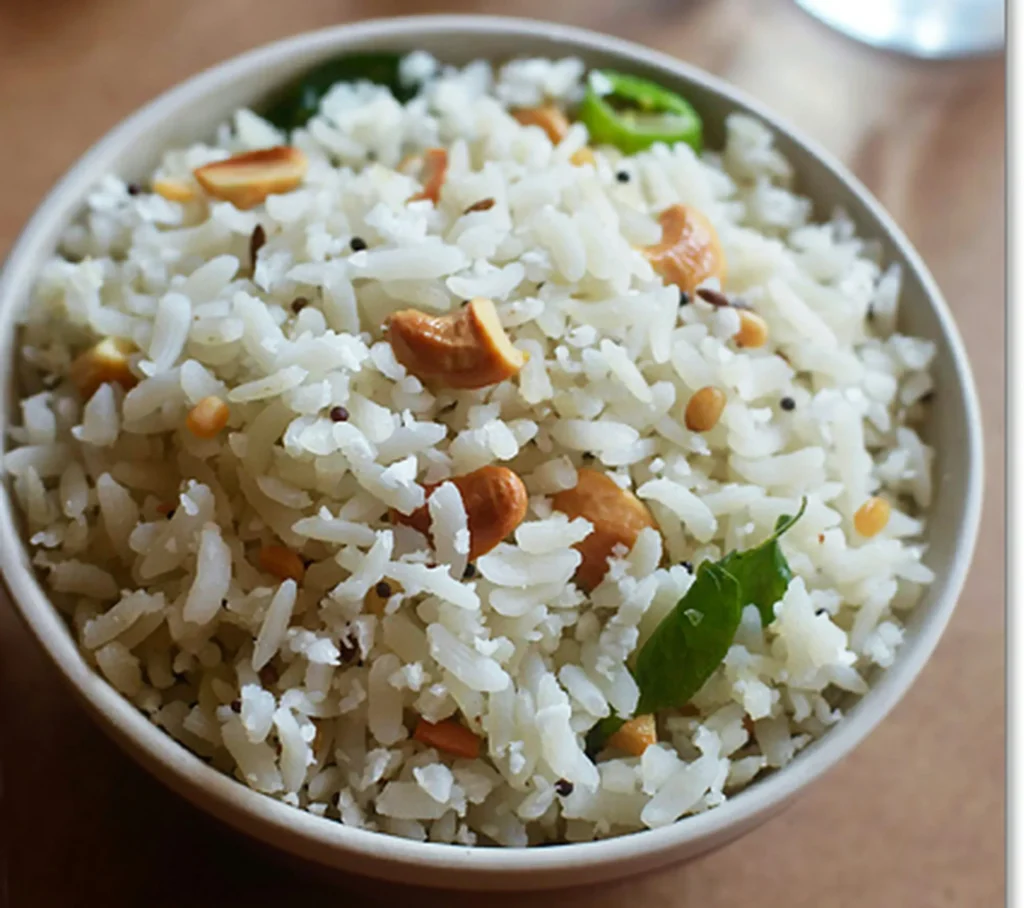
What It Is: Glutinous rice served with various toppings—shredded chicken, Chinese sausage, fried shallots, pate, egg, peanuts, or sweet versions with mung bean and sugar. A breakfast staple and filling snack.
Why It’s Beloved: Xoi provides energy for Hanoi’s working class, offering affordable, satisfying meals that keep people full for hours. The variety of toppings means you can eat it daily without boredom.
Where to Find It:
- Xoi Yen (35B Nguyen Huu Huan): Famous for enormous variety and quality
- Xoi My (Corner of Au Trieu and Phung Hung): Local favorite
- Morning market vendors: Best authentic versions, minimal English
Eating Tips:
- Order early morning (6:00-9:00 AM) for freshest rice
- Point to toppings you want
- Take away is common—they’ll wrap it beautifully in banana leaves
- Sweet versions (xoi lac, xoi dau) make excellent snacks
Price: $1-$2 per serving
9. Nem Ran / Cha Gio (Fried Spring Rolls)
What It Is: Crispy fried rolls filled with minced pork, glass noodles, wood ear mushrooms, and carrots, wrapped in rice paper and deep-fried until golden and crunchy. Served with fresh lettuce, herbs, and dipping sauce.
Why They’re Irresistible: The contrast between crispy exterior and savory filling, enhanced by fresh herbs and tangy sauce, creates addictive snacking. These appear as accompaniments to many dishes or as standalone snacks.
Where to Find It:
- Nem Phung (26 Hang Giay): Old Quarter institution
- Bun Cha stalls: Often served alongside bun cha
- Evening snack vendors: Look for women frying them fresh
Eating Tips:
- Best eaten immediately while hot and crispy
- Wrap in lettuce with herbs before dipping in sauce
- Don’t confuse with “nem chua” (fermented pork rolls)
- Order “nem cua be” for crab-filled version
Price: $0.50-$1 for 3-4 rolls
10. Bun Thang (Chicken and Egg Noodle Soup)
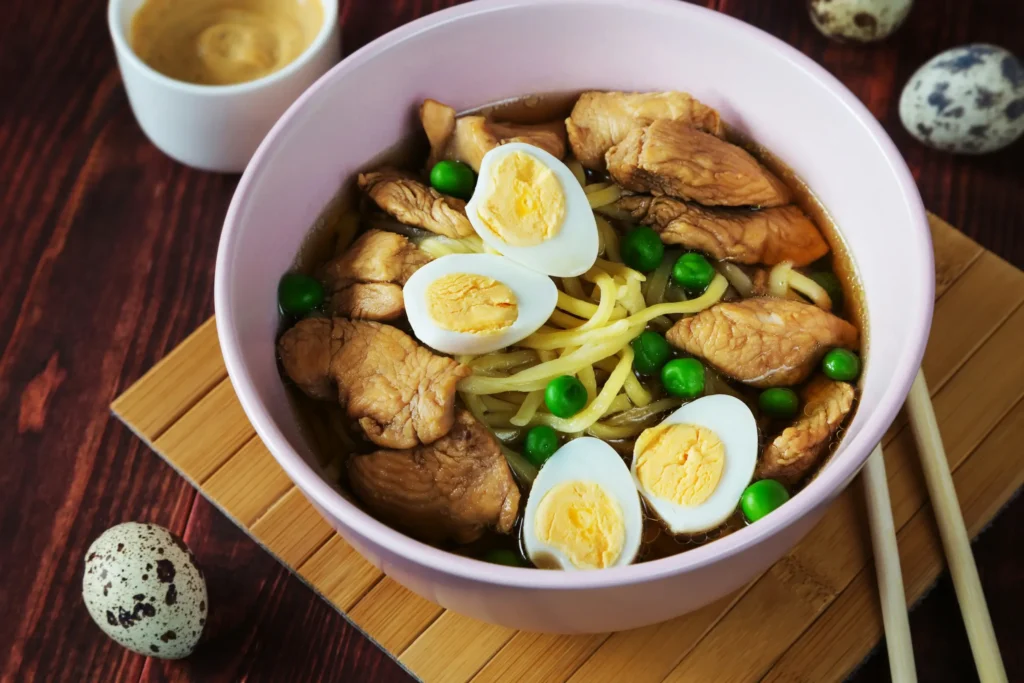
What It Is: Delicate soup featuring rice vermicelli in clear chicken broth, topped with shredded chicken, thin egg strips, Vietnamese sausage, shrimp, herbs, and sometimes dried shrimp. This refined soup originated in royal cuisine.
Why It’s Special: Bun thang represents Hanoi sophistication—clear, pure broth with elegant garnishes carefully arranged. The preparation is labor-intensive, requiring multiple components prepared separately then combined harmoniously.
Where to Find It:
- Bun Thang Ba Duc (48 Cau Go): Long-standing specialist
- Bun Thang Hang Hom (Hang Hom Market area): Authentic neighborhood spot
Eating Tips:
- Traditionally eaten during Tet (Vietnamese New Year)
- More delicate than pho—appreciate subtle flavors
- Don’t overpower with condiments
- Best for adventurous eaters wanting refined street food
Price: $2-$3 per bowl
11. Banh Goi (Pillow Cake)
What It Is: Crispy deep-fried pastry shaped like a pillow, filled with vermicelli, minced pork, wood ear mushrooms, and sometimes quail eggs. Served with pickled vegetables and fish sauce for dipping.
Why It’s Addictive: The ultra-crispy exterior shatters satisfyingly with each bite, revealing savory filling. The textural contrast and portability make this perfect street snacking.
Where to Find It:
- Banh Goi Xuan Hong (36 Le Dai Hanh): Famous specialist
- Evening vendors near Dong Xuan Market
- Old Quarter snack stalls
Eating Tips:
- Eat immediately—they lose crispness quickly
- Be careful—hot filling can burn your mouth
- Dip edges in fish sauce, not the whole thing
- Afternoon snack (3:00-5:00 PM) typical eating time
Price: $0.75-$1.50 per piece
12. Ca Phe Trung (Egg Coffee)
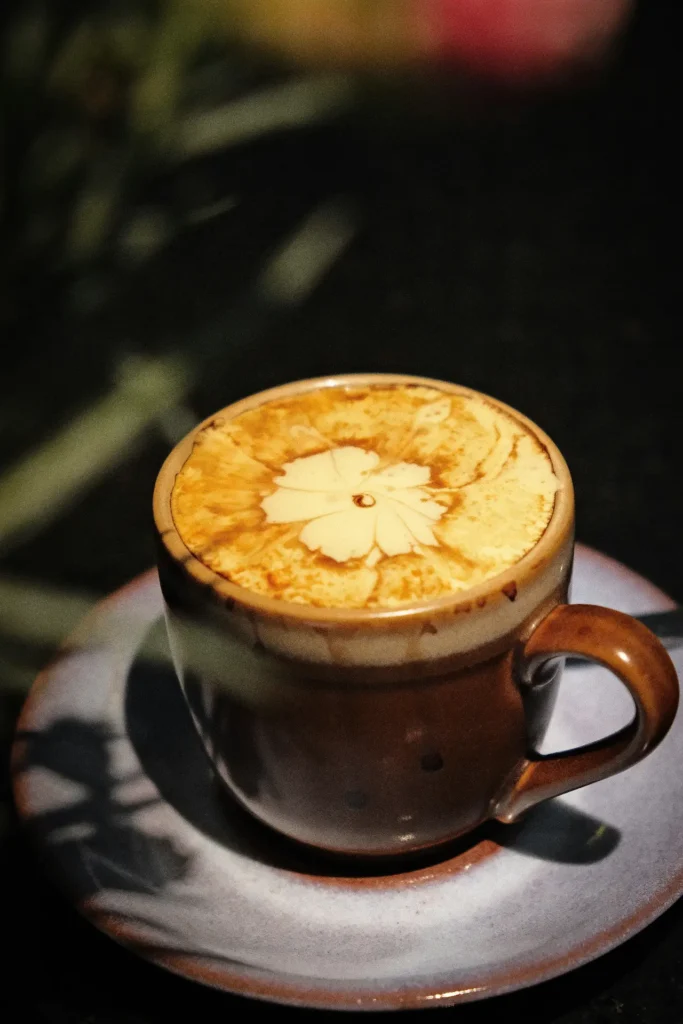
What It Is: Hanoi’s unique creation: strong Vietnamese coffee topped with creamy whipped mixture of egg yolk, sugar, and condensed milk, creating a dessert-like coffee beverage.
Why It’s Iconic: Invented in 1946 when milk was scarce, egg coffee has become a Hanoi institution. The rich, creamy topping balanced against bitter coffee creates indulgent complexity unlike any other coffee drink.
Where to Find It:
- Cafe Giang (39 Nguyen Huu Huan): The original, created by founder’s father
- Cafe Dinh (13 Dinh Tien Hoang): Another historic egg coffee specialist
- Loading T Cafe (Multiple locations): Modern take on the classic
Drinking Tips:
- Stir thoroughly before drinking, or sip layers separately
- Drink while warm—cold egg coffee is less appealing
- Order “ca phe trung nong” for hot, “ca phe trung da” for iced
- Don’t rush—savor slowly
Price: $1-$2 per cup
13. Bun Oc (Snail Noodle Soup)

What It Is: Rice vermicelli soup featuring various types of snails in tomato-based broth, topped with fried tofu, morning glory, perilla, and beef or pork. The combination might sound unusual but creates beloved comfort food.
Why Locals Love It: This dish showcases Hanoi’s willingness to eat adventurously. The snails provide unique texture, while the broth combines umami depth with tomato brightness.
Where to Find It:
- Bun Oc Co (70 Nguyen Sieu): Famous Old Quarter location
- Bun Oc Hai (87 Hang Dieu): Local favorite with excellent broth
- Evening vendors around Hoan Kiem Lake
Eating Tips:
- Use provided toothpicks to extract snails from shells
- Mix fried dough sticks (quay) into soup for added texture
- Add vinegar and chili to taste
- Best eaten evening (5:00-9:00 PM)
Price: $2-$3 per bowl
14. Banh Tom Ho Tay (West Lake Shrimp Cakes)
What It Is: Crispy fritters made from tiny freshwater shrimp, sweet potato, and vegetables, fried until golden and crunchy. Traditionally served with a special sweet and sour sauce and green papaya salad.
Why It’s Special: This dish specifically from West Lake (Ho Tay) area showcases local freshwater shrimp. The delicate shrimp flavor contrasts beautifully with crispy sweet potato coating.
Where to Find It:
- Ho Tay Restaurant area along West Lake: Multiple vendors specialize
- Quang An Night Market (weekends): Fresh versions with lakeside atmosphere
Eating Tips:
- Best in late afternoon/evening
- Eat while hot—they become greasy when cold
- Dip in provided sauce sparingly
- Often paired with beer
- Higher price reflects premium ingredients
Price: $3-$5 per serving
15. Nom Hoa Chuoi (Banana Flower Salad)
What It Is: Fresh salad featuring thinly sliced banana flower, chicken or tofu, peanuts, fried shallots, Vietnamese coriander, and lime-fish sauce dressing. The banana flower provides unique slightly bitter flavor and crunchy texture.
Why It’s Refreshing: This salad offers textural and flavor complexity—crunchy, herbal, tangy, sweet, and nutty all at once. Perfect for Hanoi’s hot weather, it’s both satisfying and light.
Where to Find It:
- Nom Tu Quynh (82 Nguyen Quoc Tri): Salad specialist
- Local markets with prepared food sections
- Higher-end street food stalls
Eating Tips:
- Mix thoroughly before eating
- Adjust fish sauce and lime to preference
- Best at lunch during hot weather
- Vegetarian versions available (specify “khong thit”)
Price: $2-$3 per serving
16. Banh Ran / Banh Cam (Fried Sesame Balls)
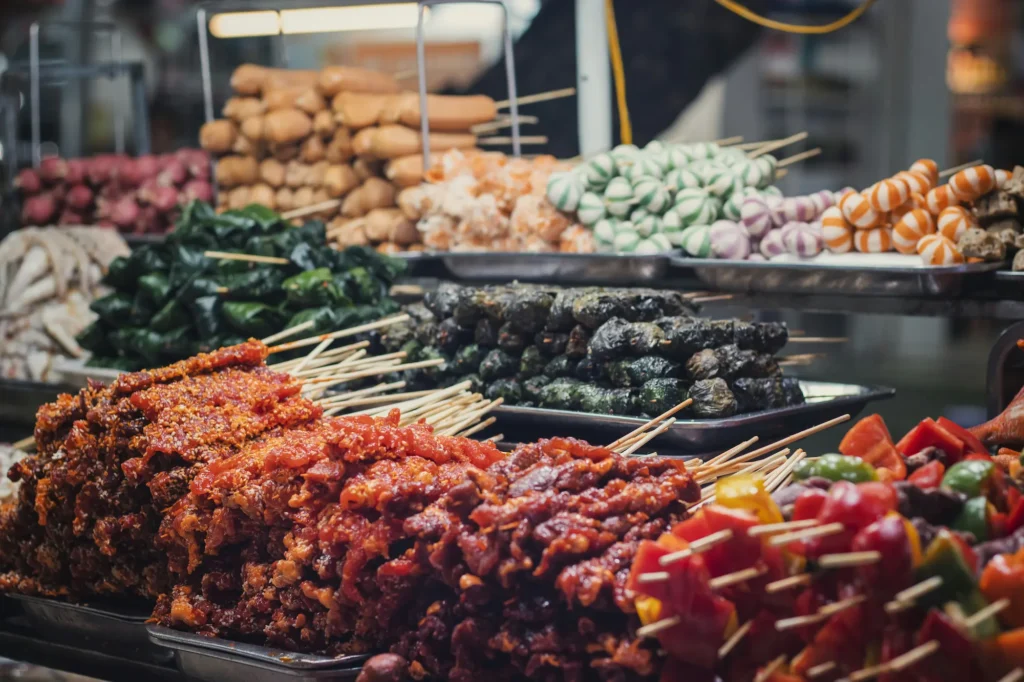
What It Is: Sweet street snack: fried glutinous rice balls coated in sesame seeds, filled with sweet mung bean paste. Crispy exterior gives way to chewy interior and sweet filling.
Why It’s Popular: These affordable sweets satisfy snack cravings while walking through the Old Quarter. The combination of textures and moderate sweetness appeals broadly.
Where to Find It:
- Morning vendors near Dong Xuan Market
- Afternoon snack carts throughout Old Quarter
- Banh Ran Ngugu Xa (63 Hang Bun): Specialist
Eating Tips:
- Eat warm for best texture
- Be careful—hot filling can burn
- Usually sold in pairs
- Morning and afternoon snack times
Price: $0.30-$0.50 each
17. Pho Cuon (Fresh Spring Rolls with Beef)
What It Is: Soft rice paper filled with stir-fried beef, lettuce, and herbs, served with tangy dipping sauce. Unlike typical fresh spring rolls, these feature cooked beef and are eaten fresh without frying.
Why It’s Beloved: The soft, chewy rice paper contrasts with aromatic beef and fresh herbs. Originated in a specific Hanoi village and remains relatively unknown outside northern Vietnam.
Where to Find It:
- Ngu Xa Village (Traditional home of pho cuon)
- Pho Cuon Hung Ben (31 C Ngu Xa): Famous location
- Some Old Quarter vendors
Eating Tips:
- Dip entire roll in sauce before biting
- Eat fresh—rice paper dries and hardens quickly
- Often accompanied by nem chua (fermented pork)
- Afternoon specialty
Price: $2-$3 per serving
18. Che (Sweet Dessert Soup)
What It Is: Category of sweet soups or puddings featuring various combinations: mung beans, black-eyed peas, taro, sweet potato, tapioca pearls, coconut milk, jelly, and fruit, served hot or cold depending on season.
Why It’s Essential: Che provides sweet endings to meals or afternoon refreshment. The variety means you could try different versions daily for months without repetition.
Where to Find It:
- Che 4 Mua (4 Seasons Che) – Multiple locations: Modern che cafe
- Xoi Che Ba Thin (2 Hang Dieu): Traditional vendor
- Evening dessert vendors: Throughout Old Quarter
Eating Tips:
- Order cold versions (che da) in hot weather
- Try che ba mau (three-color che) for variety
- Mix thoroughly before eating
- Adjust ice and sugar to preference
Price: $1-$2 per serving
19. Mi Vang (Yellow Egg Noodles)

What It Is: Chewy egg noodles served either in soup (mi vang soup) or dry with sauce (mi vang kho), topped with wontons, char siu pork, and bok choy. Chinese-influenced dish adapted to Vietnamese tastes.
Why It’s Comforting: The hearty noodles and savory toppings create satisfying meals, especially appealing during cooler months. The Chinese influence adds variety to Vietnamese noodle landscape.
Where to Find It:
- Mi Vang Sau Tho (13B Quan Thanh): Long-standing specialist
- Old Quarter Chinese-Vietnamese restaurants
- Late-night vendors: Mi vang is popular midnight snack
Eating Tips:
- Add chili oil and vinegar to taste
- Mix dry version thoroughly
- Can order half portions if trying multiple dishes
- Good late-night option (open until midnight)
Price: $2-$3 per bowl
20. Kem Trang Tien (Trang Tien Ice Cream)
What It Is: Iconic ice cream from Trang Tien Hanoi, a state-owned brand since 1958. Simple flavors—chocolate, vanilla, green bean, coconut—served in cones or cups from street vendors.
Why It’s Nostalgic: For Hanoians, Trang Tien ice cream evokes childhood memories. The simple, not-too-sweet flavors and affordable prices maintain its popularity across generations.

Where to Find It:
- Trang Tien Ice Cream Shop (35 Trang Tien Street): Original location
- Street vendors: Throughout the city with distinctive carts
- Night markets: Common vendor presence
Eating Tips:
- Try green bean flavor for authentic Vietnamese taste
- Expect simpler flavors than Western premium ice cream
- Very affordable—perfect way to cool down
- Popular evening treat for families
Price: $0.50-$1 per serving
Best Areas for Street Food in Hanoi
Knowing where to find the best street food in Hanoi helps you plan efficient, delicious explorations.

Old Quarter (Hoan Kiem District)
Why It’s Essential: The Old Quarter concentrates the highest density of legendary street food vendors, many operating for decades or generations from the same spots. The atmospheric narrow streets create the quintessential Hanoi street food experience.
Must-Visit Streets:
- Hang Buom: Multiple bun cha and pho specialists
- Bat Dan: Famous pho and other specialties
- Hang Giay: Various snacks and nem
- Ta Hien (Beer Street): Evening street food with bia hoi (fresh beer)
- Nguyen Sieu: Multiple noodle soups
Best Times: Morning (6:00-9:00 AM) for breakfast, lunch (11:00 AM-1:00 PM) for bun cha, evening (6:00-10:00 PM) for snacks and beer
Dong Xuan Market Area
Why It’s Authentic: This area serves more locals than tourists, offering authentic experiences and lower prices. The massive market and surrounding streets teem with food vendors catering to working-class Hanoians.
What to Find: Morning markets sell incredible breakfast options (xoi, banh cuon, pho), while evening vendors offer snacks, grilled meats, and comfort foods.
Best Times: Early morning (5:30-8:00 AM) for market breakfast, evening (6:00-9:00 PM) for dinner options
West Lake (Ho Tay) Area
Why It’s Special: Famous for banh tom (shrimp cakes) and seafood, West Lake offers scenic lakeside dining alongside quality food. Less touristy than Old Quarter while maintaining excellent standards.
What to Find: Banh tom specialists, lakeside cafes, higher-end street food, weekend night markets
Best Times: Late afternoon/evening (4:00-8:00 PM) for banh tom and sunset views
Hai Ba Trung District
Why Locals Love It: Residential neighborhoods here serve authentic street food without tourist markup. You’ll rarely see foreign faces but will experience how everyday Hanoians eat.
What to Find: Neighborhood pho shops, bun cha stalls, che vendors, local markets
Best Times: Breakfast (6:30-8:30 AM), lunch (11:30 AM-1:00 PM)
Safety Tips for Eating Street Food in Hanoi
Enjoying the best street food in Hanoi safely requires understanding basic precautions without becoming paranoid.
Choosing Safe Vendors
High Turnover Indicators: Busy stalls with many customers signal fresh ingredients and good reputations. Empty stalls during peak hours raise concerns about quality or taste.
Observe Cleanliness: While street food won’t meet Western health code standards, look for vendors who keep their spaces reasonably clean, wash dishes regularly, and handle food carefully.
Food Temperature: Hot, freshly cooked food is safer than lukewarm items sitting out. Watch your food being cooked when possible.
Local Patronage: Vendors serving primarily Vietnamese customers rather than tourists typically maintain higher standards for demanding local palates.
Water and Ice
Bottled Water Only: Never drink tap water. Most vendors understand and provide bottled water.
Ice Considerations: Ice in tourist areas generally comes from purified water factories (tubular ice with holes). Street vendors might use tap water ice—when in doubt, order drinks without ice (“khong da”).
Raw Vegetables and Herbs
Fresh Herbs: Generally safe—the antibacterial properties of many Vietnamese herbs (mint, basil, cilantro) provide some protection, plus they’re typically washed.
Salads: Exercise more caution with raw salads, especially lettuce. Eating at busy, reputable vendors minimizes risks.
Trust Your Instincts: If something looks, smells, or feels questionable, skip it. Plenty of other options exist.
Common-Sense Precautions
- Wash hands before eating or use provided hand sanitizer
- Avoid touching your face while eating
- Bring hand sanitizer for times when washing isn’t possible
- Start conservatively—let your stomach adjust to new bacteria and flavors
- Take probiotics before and during your trip to support digestive health
- Carry anti-diarrheal medication just in case
- Stay hydrated—dehydration exacerbates stomach issues
Practical Information for Street Food Adventures
Typical Costs
The best street food in Hanoi remains remarkably affordable:
- Pho, bun cha, and noodle soups: $1.50-$3
- Banh mi: $0.75-$1.50
- Snacks (nem, banh ran, banh goi): $0.50-$1.50
- Coffee: $1-$2
- Desserts (che, ice cream): $0.50-$2
Budget $15-25 daily for three meals of street food plus snacks and drinks.
Best Times to Eat
Breakfast (6:00-9:00 AM): Pho, banh cuon, xoi, banh mi
Lunch (11:00 AM-2:00 PM): Bun cha (specifically lunchtime dish), com (rice plates), noodle soups
Afternoon Snack (3:00-5:00 PM): Banh mi, coffee, sweet snacks, banh goi
Dinner (6:00-9:00 PM): Various options, evening specialties like bun oc, street barbecue
Late Night (9:00 PM-midnight): Pho, mi vang, snacks around Beer Street
How to Order
Point and Gesture: Most vendors have limited English. Pointing at what you want, holding up fingers for quantity, and smiling works universally.
Key Phrases:
- “Bao nhiêu?” (bow nyew) = How much?
- “Một” (mote) = One
- “Hai” (hi) = Two
- “Không ớt” (khome ut) = No chili
- “Ngon!” (ngon) = Delicious!
Payment: Always pay after eating. Most places accept only cash. Have small bills—vendors often lack change for large denominations.
Street Food Tours
If you want expert guidance discovering the best street food in Hanoi, consider joining a tour:
Benefits:
- Local guides know hidden gems and can explain cultural context
- Language barriers eliminated
- Try dishes you might not order independently
- Learn about ingredients, preparation, and eating etiquette
- Meet other food-loving travelers
Popular Tour Companies:
- Hanoi Street Food Tour
- Hanoi Food on Foot
- Vietnam Street Food Tour
- Local operators near your hotel
Cost: $25-60 per person for 3-4 hour tours including food
Frequently Asked Questions About Street Food in Hanoi
Is street food in Hanoi safe to eat?
Yes, street food in Hanoi is generally safe when you choose busy vendors with high turnover, eat freshly cooked hot food, and follow basic precautions. Millions of locals eat street food daily without issues. Start conservatively, let your stomach adjust to new bacteria and spices, stay hydrated, and trust your instincts about cleanliness. Most travelers eat street food throughout their trips without problems. The biggest risk is typically mild stomach adjustment rather than serious food poisoning.
What’s the best time of day to eat street food in Hanoi?
Each dish has its traditional time: pho for breakfast (6:00-9:00 AM), bun cha specifically for lunch (11:00 AM-2:00 PM), coffee in afternoon (3:00-5:00 PM), and various options for dinner (6:00-9:00 PM). However, you can find most dishes throughout the day. Early morning offers the freshest ingredients as vendors just received market deliveries. Avoid eating late morning (10:00-11:00 AM) when breakfast items are no longer fresh but lunch dishes aren’t ready yet.
How much should I budget for street food in Hanoi?
Budget $15-25 per day for three meals plus snacks and drinks if eating exclusively street food. Individual dishes cost $1-3 for most items, with coffee $1-2 and snacks $0.50-1.50. A full day might look like: breakfast pho ($2), coffee ($1.50), banh mi snack ($1), lunch bun cha ($3), afternoon che ($1.50), dinner noodles ($2.50), evening beer and snacks ($4) = approximately $16 total. This makes Hanoi incredibly affordable for food lovers.
What should vegetarians eat for street food in Hanoi?
Vegetarian options exist but require more effort to find since most Vietnamese dishes contain fish sauce or meat broth. Best vegetarian choices: banh mi chay (vegetarian sandwich), xoi (sticky rice with vegetarian toppings), vegetarian pho at Buddhist restaurants, che (sweet soups), fresh spring rolls, banh cuon without meat filling, and various fried snacks. Learn the phrase “An chay” (ahn chai) meaning vegetarian, and “Khong co thit, khong co ca” (no meat, no fish). Buddhist vegetarian restaurants (com chay) offer the most options.
Can I eat street food if I have food allergies?
Food allergies can be challenging with street food due to language barriers and cross-contamination risks. Peanut allergies are particularly difficult since peanuts appear in many dishes. Write your allergies in Vietnamese on a card to show vendors. However, street vendors can’t guarantee absence of allergens like restaurants can. Those with severe allergies should exercise extreme caution, carry emergency medication, and consider eating at restaurants where English-speaking staff can better accommodate needs.
What’s the difference between northern and southern Vietnamese street food?
Northern Vietnamese food (Hanoi) emphasizes subtlety, purity, and balanced flavors. Broths are clearer, seasonings more restrained, sweetness minimal. Southern food (Ho Chi Minh City) tends toward sweeter, more robust flavors with additional herbs and condiments. Pho exemplifies this: northern pho features pure, clear broth with minimal garnishes, while southern pho includes more herbs, bean sprouts, and sweeter broth. Both styles are delicious but reflect different culinary philosophies.
How do I know if street food is fresh?
Look for these freshness indicators: busy vendors with constant turnover, food cooked to order rather than sitting out, vendors shopping at markets multiple times daily, steaming hot food, clear (not cloudy) oils for frying, fresh herbs that aren’t wilted, and meat that doesn’t smell off. Morning vendors typically have the freshest ingredients just purchased from markets. Avoid vendors where food has been sitting at room temperature for extended periods.
Do I need to tip at street food stalls?
Tipping isn’t expected or traditional at street food stalls in Hanoi. Prices are already set very low, and vendors don’t expect additional payment. However, rounding up to the nearest easy denomination (paying 25,000 dong for a 22,000 dong bowl) is a kind gesture that vendors appreciate. Save tips for sit-down restaurants (5-10%) and tour guides. Overtipping at street stalls can actually create awkward situations or set problematic precedents.
What if I can’t use chopsticks well?
Don’t worry—many street foods are eaten with spoons (soups) or hands (banh mi). For dishes requiring chopsticks, vendors often provide forks if you ask (“Cho toi cai nia” = give me a fork). That said, using chopsticks, even clumsily, shows effort and respect that locals appreciate. The basic technique: hold one chopstick stationary like a pencil, move the other one to pinch food. Practice makes perfect, and street food provides excellent low-pressure opportunities to improve.
Are there English menus at street food stalls?
Most street food stalls lack menus entirely—they specialize in one or two dishes that regulars know. The few that have menus rarely include English. This is where pointing, gesturing, and looking at what others are eating works perfectly. Taking photos of dishes you want to try and showing vendors also helps. Download Google Translate with offline Vietnamese for emergency communication. Alternatively, join a food tour for your first day to learn dishes and ordering processes.
Can I eat street food every meal during my trip?
Absolutely! Many travelers eat street food exclusively during their time in Hanoi, enjoying the variety, authenticity, and incredible value. However, some people appreciate occasional breaks in air-conditioned restaurants for comfort or variety. Listen to your body—if you need a day of lighter eating or Western food to reset your stomach, that’s perfectly fine. The beauty of Hanoi is having incredible street food available whenever you want it without pressure to eat it every single meal.
Conclusion: Embrace Hanoi’s Street Food Culture
Discovering the best street food in Hanoi represents far more than simply eating delicious food—it’s your gateway to understanding Vietnamese culture, history, and daily life. Every steaming bowl of pho tells stories of French colonialism and northern Vietnamese ingenuity. Each sizzling bun cha reflects Hanoi’s working-class lunch traditions. Every crispy banh mi demonstrates the Vietnamese genius for adapting foreign influences into something uniquely their own.
The beauty of Hanoi’s street food lies not just in the flavors, though they’re extraordinary, but in the entire experience. Sitting on tiny plastic stools alongside locals, watching skilled vendors perform culinary rituals perfected over generations, sharing smiles despite language barriers, and participating in the daily rhythm of Vietnamese life creates memories that last far longer than the meals themselves.
Don’t let fear of the unfamiliar prevent you from experiencing the best street food in Hanoi. Yes, it’s different from Western dining. Yes, you’ll sit on uncomfortable stools. Yes, you might struggle with chopsticks or ordering. But these minor inconveniences pale in comparison to the rewards: authentic flavors impossible to replicate elsewhere, incredible value allowing you to eat like royalty on a budget, and genuine cultural experiences that transform your understanding of Vietnam.
Start conservatively if you’re nervous—pho and banh mi are safe entry points familiar enough to provide comfort while still delivering authentic flavor. Build confidence and adventurousness as your stomach adjusts. Before long, you’ll find yourself eagerly seeking out the most local spots, pointing confidently at dishes you can’t pronounce, and maybe even developing opinions about which bun cha vendor makes the best version.
Remember that making mistakes is part of the experience. Order something too spicy? Laugh it off and ask for more rice. Can’t figure out chopsticks? Use your hands or request a spoon. Get lost looking for a recommended vendor? You’ll likely discover three other amazing places along the way. The vendors, despite language barriers, genuinely want you to enjoy their food and will help however they can.
The best street food in Hanoi isn’t just about the food—it’s about connection, discovery, and openness to experiences outside your comfort zone. It’s about trusting that a woman cooking noodles from a sidewalk cart knows what she’s doing (she does—probably better than most restaurant chefs). It’s about believing that the best meals don’t require white tablecloths or fancy presentations (they don’t). It’s about understanding that authentic culture exists not in museums or tourist shows but in daily rituals of eating, working, and living.
So venture out with curiosity and an open mind. Follow your nose to smoking grills and steaming pots. Sit down wherever locals are eating. Point at what looks good. Smile. Say “Ngon!” (delicious) to the vendor. Take photos. Make mistakes. Laugh at yourself. Try everything at least once. And most importantly, savor every single bite of the incredible culinary adventure that awaits you on Hanoi’s bustling streets.
Start Your Street Food Adventure Today
Ready to experience the best street food in Hanoi firsthand? Take these action steps to prepare for your culinary journey:
- Save this guide: Bookmark or download this article for reference during your trip
- Plan your itinerary: Identify which dishes interest you most and map vendor locations
- Learn key phrases: Practice basic Vietnamese food vocabulary before arriving
- Pack appropriately: Bring hand sanitizer, wet wipes, and anti-diarrheal medication
- Download helpful apps: Google Translate (offline Vietnamese), Maps.me for navigation
- Start conservatively: Begin with familiar items like pho and banh mi before trying more adventurous dishes
- Consider a food tour: Book a tour for your first day to learn ordering processes and eating etiquette
- Bring cash: Exchange money for Vietnamese dong in small denominations
- Document your journey: Take photos and notes about vendors and dishes you love
- Stay open-minded: Embrace the adventure, accept minor discomforts, and trust the process
Don’t wait to experience the culinary adventure of a lifetime. The best street food in Hanoi is waiting to delight your taste buds, challenge your preconceptions, and create unforgettable memories!
Plan Your Perfect Vietnam Adventure
📧 Have questions about planning your Vietnam trip? Drop a comment below or Contact us for personalized budget travel advice
🗺️ Check Out Our Other Vietnam guides:
💡 Pro tip: Bookmark this page and share it with fellow travelers planning their Vietnam adventure!
✈️ Ready to book? Check current flight deals to Vietnam and top-rated hostels.
Have you tried the best street food in Hanoi? Which dishes were your favorites? Share your experiences, hidden gem discoveries, and recommendations in the comments below to help fellow food lovers plan their perfect Hanoi street food adventure!
Last Updated: December 2025