

Vietnam Travel Guide: Budget Tips, Itineraries & Costs
Costs, itineraries, seasons, food and transport for Vietnam, gathered in one place. No sponsored bias and no paid recommendations.
- $25Daily budget from
- 1,600kmNorth to south
- 13Vietnam guides
Culture, affordability and variety
Travelers come to Vietnam for many reasons, but what makes it special is the balance between the three. In a single trip you can do all of this.
Temples and war history
Explore centuries-old temples alongside the sites that shaped modern Vietnam.
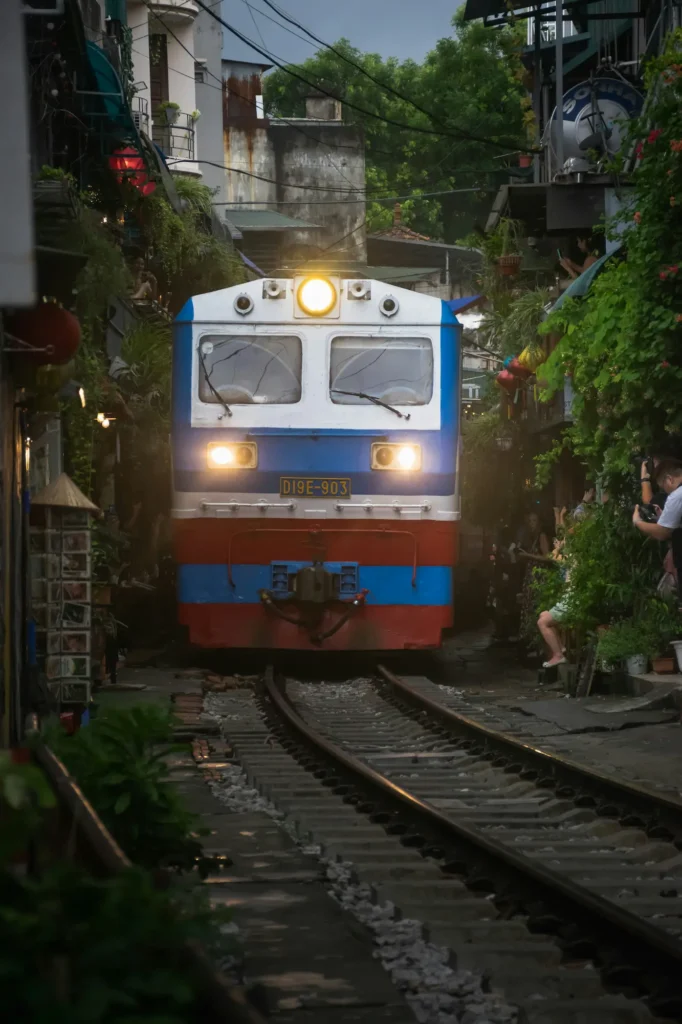
Overnight trains
Ride through scenic countryside and save a night of accommodation while you travel.
Street food for a few dollars
Some of the best food in the world, eaten where the locals eat, for the price of a coffee at home.
Beaches, mountains, old towns
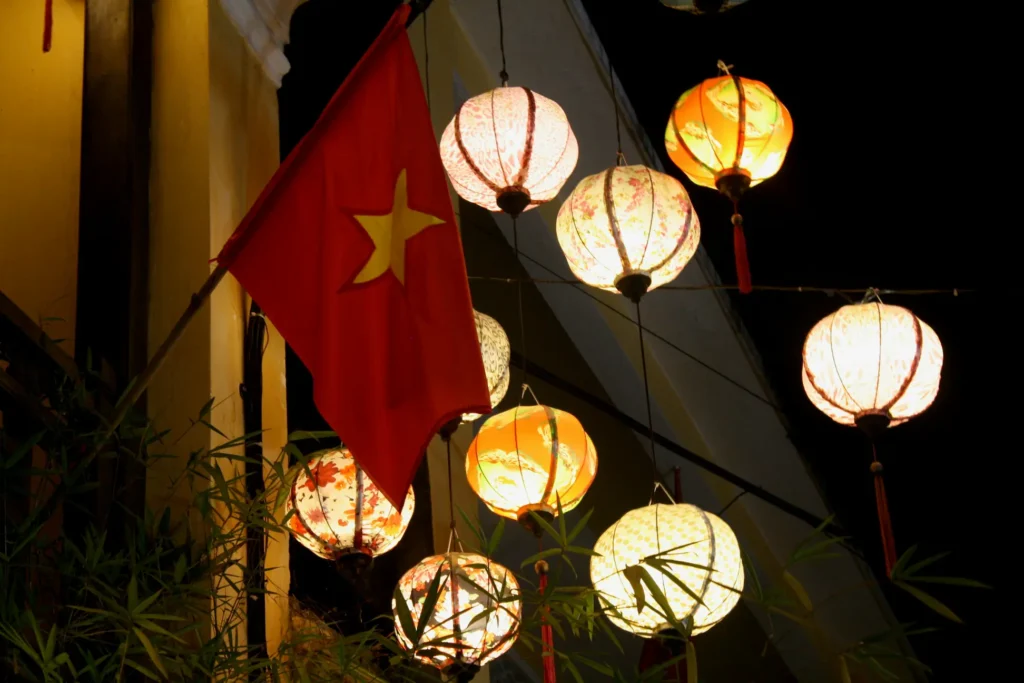
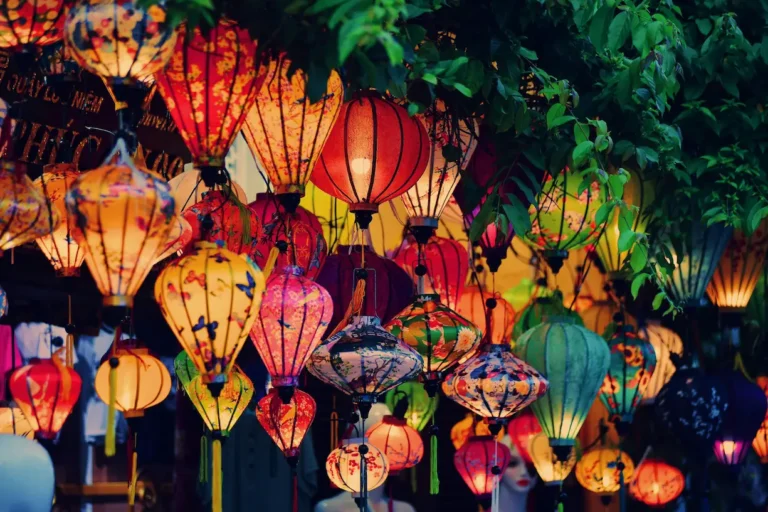
Relax on the coast, hike in the north and wander lantern-lit streets, all on one route.
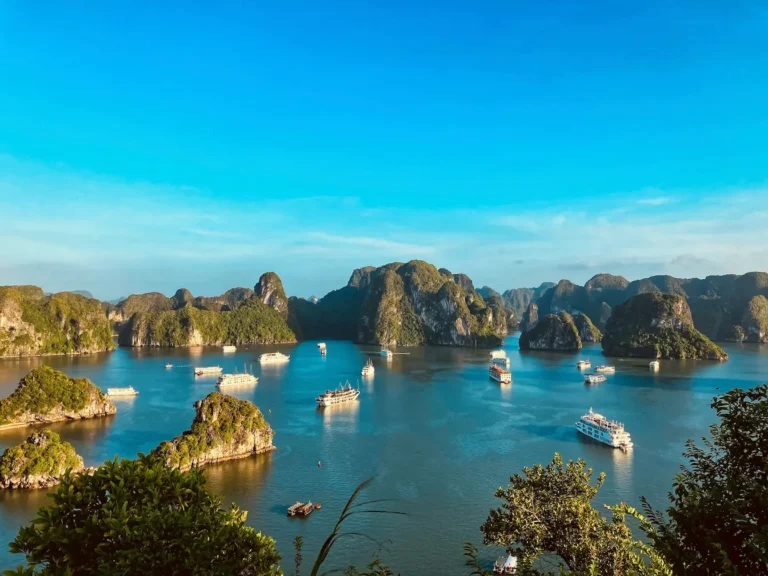
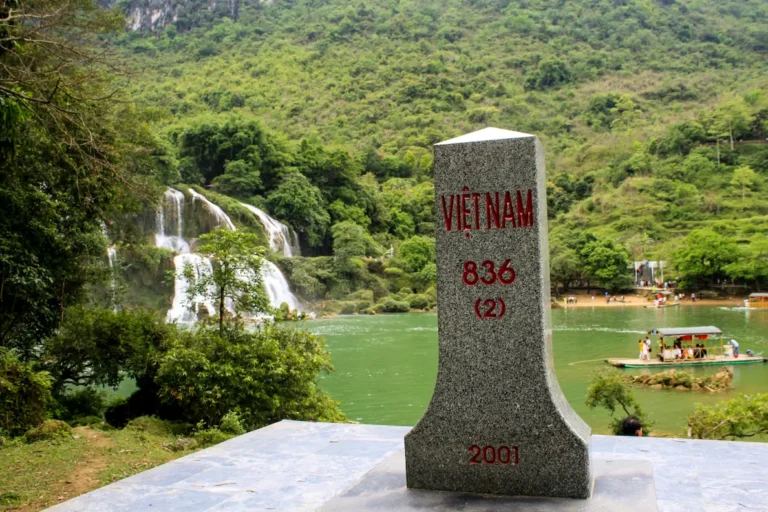
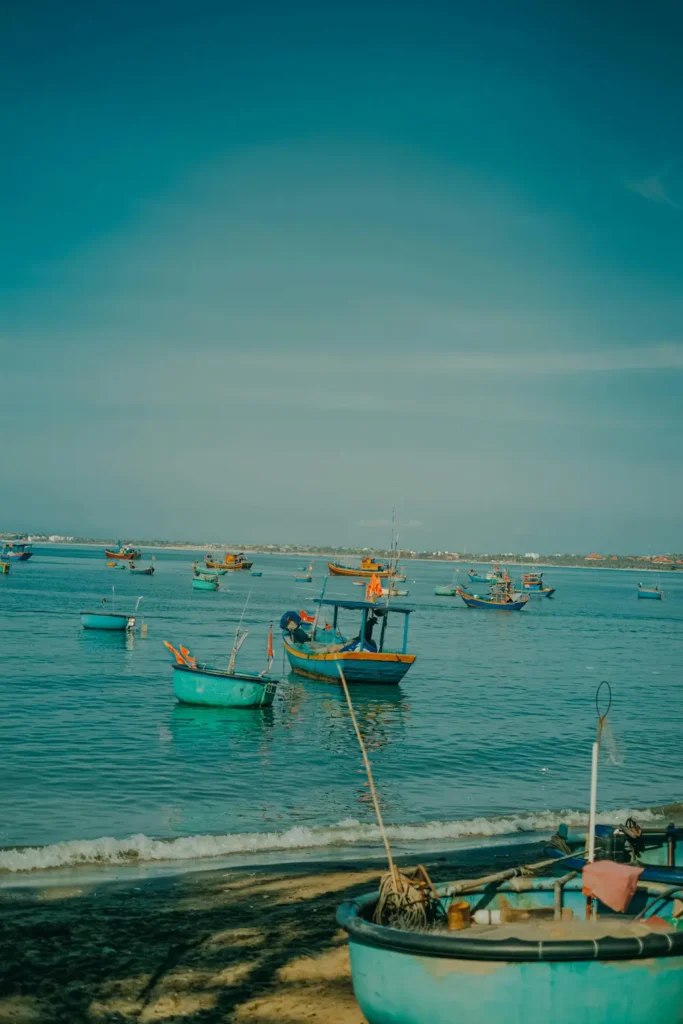
Most importantly, Vietnam is a country where independent travel is easy, even for first-time visitors to Asia.

What you will spend in Vietnam
Vietnam remains one of the most budget-friendly countries in Asia, but costs vary with your travel style, your destinations and your pace.
Backpackers
The daily figure most independent travelers plan around.
Mid-range travelers
More private rooms and restaurants, fewer long bus days.
Comfortable travel
Where domestic flights and paid tours start to fit the budget.
Accommodation, food and transport are generally affordable. Tours and domestic flights are what raise an overall trip cost, so they are worth budgeting for separately.
There is no single perfect month
Vietnam’s climate varies significantly from north to south, so the right window depends on where you are going. Choosing well affects four things.
- Comfort
- Budget
- Crowd levels
- Access to certain regions
Cool winters, hot summers
The seasons here are the most pronounced in the country, so the month you pick changes the trip most.
Typhoon season affects travel
This is the stretch to check your dates against most carefully before booking anything fixed.
Tropical, dry and rainy
A tropical climate with distinct dry and rainy seasons rather than hot and cold ones.
Plan the route before the trip
Vietnam stretches over 1,600 km from north to south. Travelers often underestimate travel time, so a realistic route is what keeps you from rushing and overspending.
- Hanoi
- Ninh Binh
- Ha Long Bay
- Hanoi
- Hue
- Hoi An
- Hanoi
- Central Vietnam
- Ho Chi Minh City
Getting around
Four options cover almost every journey. Which one is right usually comes down to how much of the day you want to spend moving.
- Grab
- Cheap and reliable ride-hailing in cities. It works much like a taxi app at home.
- Buses
- Best value for budget travelers, and they reach places the trains do not.
- Trains
- Comfortable and scenic over long distances along the coast.
- Domestic flights
- Time-saving between regions, but the costliest way to cover ground.
Overnight buses and trains are popular for a reason. They save both travel time and a night of accommodation.
Eat well, stay connected
Vietnamese cuisine is one of the highlights of traveling the country, and staying online is cheap enough that it is rarely worth planning around.
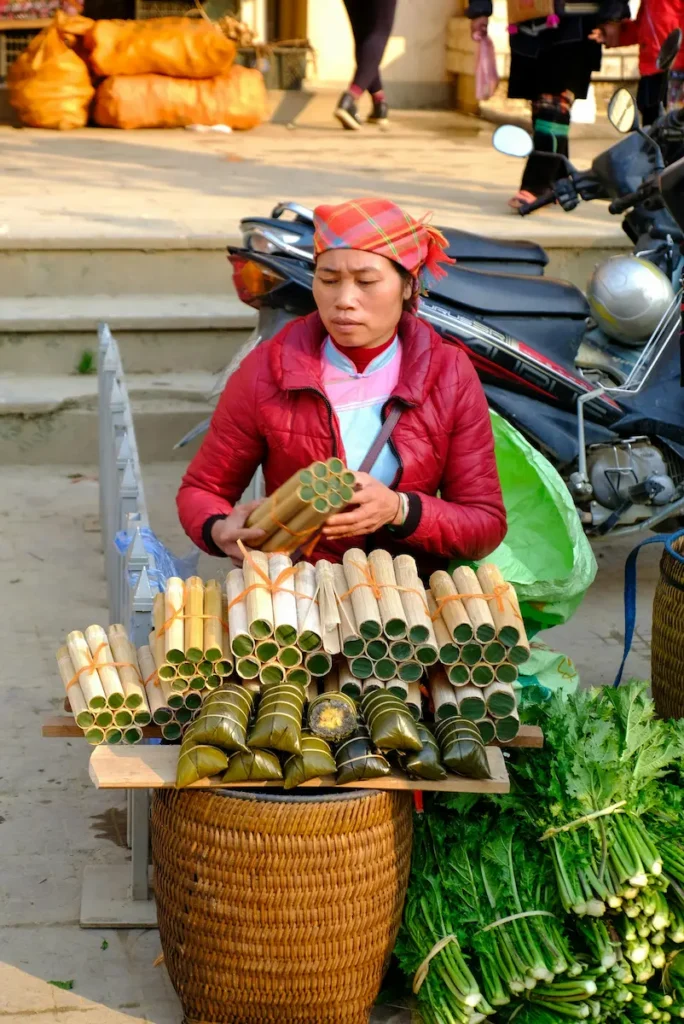
Eating like a local
- Street food meals for $1 to $3
- Fresh ingredients and regional flavors
- A strong coffee culture
- Vegetarian options widely available
Eating locally is not only cheaper, it is often safer and more authentic than tourist restaurants.
SIM cards and internet
- Tourist SIM cards cost $5 to $10
- Unlimited data plans are widely available
- Wi-Fi is common in cafes, hotels and hostels
Staying connected makes navigation, bookings and day-to-day budgeting far easier.
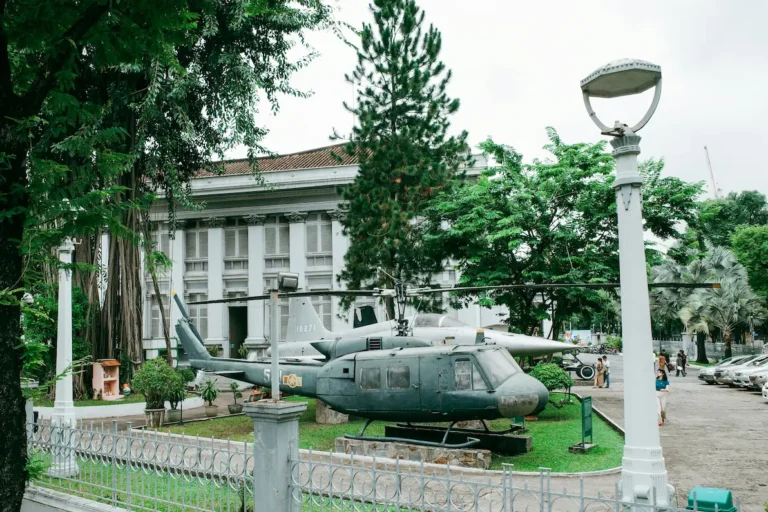
Sites that explain modern Vietnam
Vietnam’s modern history has shaped its culture, its cities and its people. Visiting these places offers context and understanding, not just sightseeing.
- War Remnants Museum, Ho Chi Minh City
- Cu Chi Tunnels
- The DMZ, or Demilitarized Zone
- Historical museums across Hanoi and Hue
Practical travel tips
Cash still rules
Cash is widely used and ATMs are common. Credit cards are accepted in larger hotels and restaurants.
Generally very safe
Watch the traffic above all, then pickpocketing and minor scams in busy tourist areas.
Dress modestly at temples
Respect local customs and learn a few basic Vietnamese greetings. Both go a long way.
A forgiving first stop
Flexible, affordable and well supported by tourist infrastructure, which makes it a gentle introduction to Asia.
Vietnam, answered
How much does it cost to travel Vietnam?
Budget $25 to $35 a day as a backpacker, $40 to $70 as a mid-range traveler, and $80 or more for comfortable travel. Accommodation, food and transport are affordable across the board. Tours and domestic flights are what raise the total.
When is the best time to visit Vietnam?
There is no single best month for the whole country, because the climate varies significantly from north to south. The north has cool winters and hot summers, typhoon season affects travel through the center, and the south is tropical with dry and rainy seasons.
How do you get around Vietnam?
Grab for cities, buses for the tightest budgets, trains for comfortable long distances, and domestic flights when time matters more than money. Overnight buses and trains are popular because they save a night of accommodation as well as a day of travel.
Is Vietnam safe for first-time travelers?
Vietnam is generally safe. The main things to watch are traffic, pickpocketing and minor scams. It is a forgiving country for a first trip to Asia: flexible, affordable and well supported by tourist infrastructure.
Do you need a SIM card in Vietnam?
Tourist SIM cards cost $5 to $10 and unlimited data plans are widely available. Wi-Fi is common in cafes, hotels and hostels, so a SIM is a convenience rather than a necessity, but it makes navigation and bookings much easier.
The full Vietnam library
Every guide below comes from a real trip, with tracked costs and tested routes.
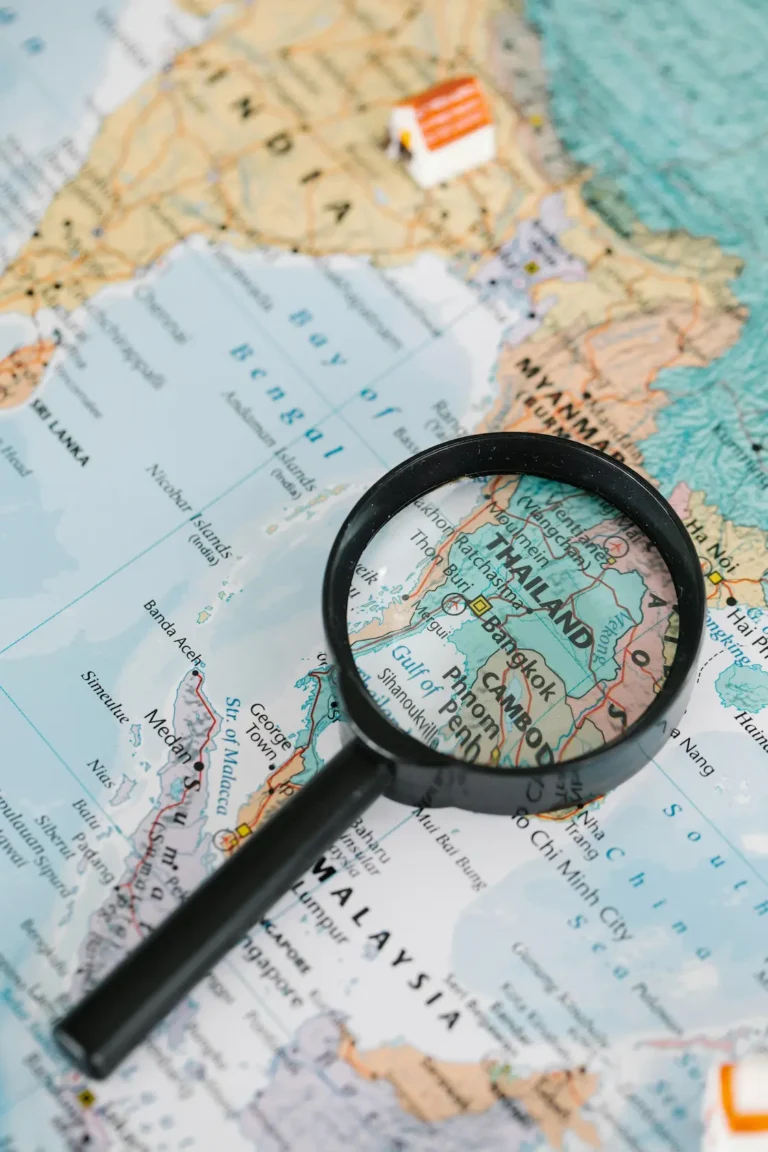
- Vietnam and Cambodia Budget Travel Tips for 2026
 Traveling to Vietnam and Cambodia in 2026 can be both affordable and unforgettable. From bustling cities to serene countryside, these… Read more: Vietnam and Cambodia Budget Travel Tips for 2026
 - Vietnam Visa 2026: Everything You Need to (Requirements, E‑Visa, Fees & Tips)
 Planning a trip to Vietnam in 2026? Understanding the Vietnam visa 2026 requirements is crucial for a hassle-free entry. With… Read more: Vietnam Visa 2026: Everything You Need to (Requirements, E‑Visa, Fees & Tips)
 - Vietnam vs Cambodia: Which Country Should You Visit First in 2026?
 Vietnam vs Cambodia: Which Country Is Better for You in 2026?The answer depends on what you value most: lower daily… Read more: Vietnam vs Cambodia: Which Country Should You Visit First in 2026?
 - Best Time of Year to Travel Vietnam: Weather, Seasons & Festivals (2026)A month-by-month breakdown of Vietnam’s climate, regional seasons, and major festivals — so you can plan the perfect trip at… Read more: Best Time of Year to Travel Vietnam: Weather, Seasons & Festivals (2026)
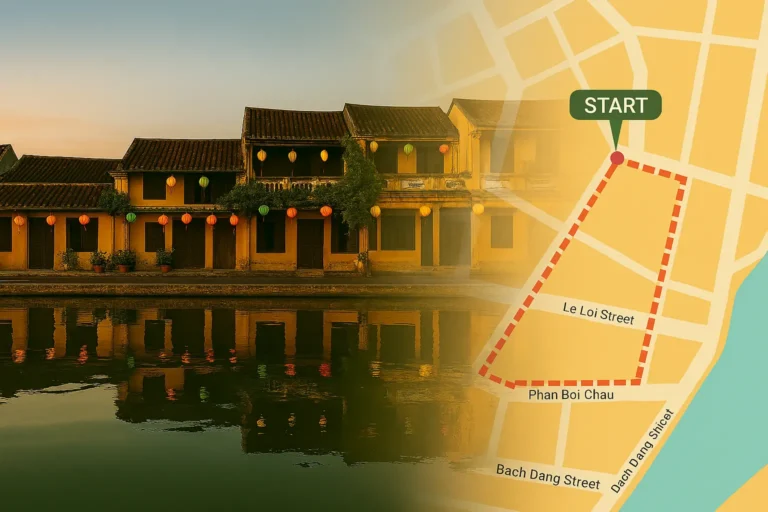
- Hoi An Ancient Town Walking Guide: Hidden Corners and Photo Spots for 2026This comprehensive Hoi An Ancient Town walking guide reveals the secrets of Vietnam’s most enchanting UNESCO World Heritage Site, taking… Read more: Hoi An Ancient Town Walking Guide: Hidden Corners and Photo Spots for 2026
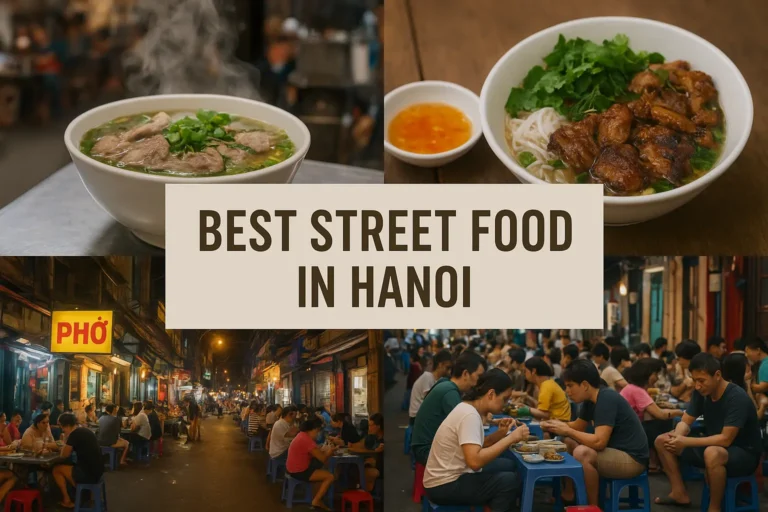
- Best Street Food in Hanoi: Your Ultimate Guide to Vietnam’s Culinary Capital in 2026Discovering the best street food in Hanoi ranks among the world’s greatest culinary adventures. Vietnam’s capital offers an unparalleled food… Read more: Best Street Food in Hanoi: Your Ultimate Guide to Vietnam’s Culinary Capital in 2026

Vietnam rewards travelers who move slowly
Eat locally, plan smartly, and use this guide as your foundation. Adjust the route and the daily budget as you go.
This guide is designed to grow with you. Bookmark the page and come back to it as your plans firm up.
Last updated January 9, 2026